Fraxinus uhdei Sudden Leaf Drop
eco Sudden Leaf Drop

Fraxinus uhdei – Sudden Leaf Drop

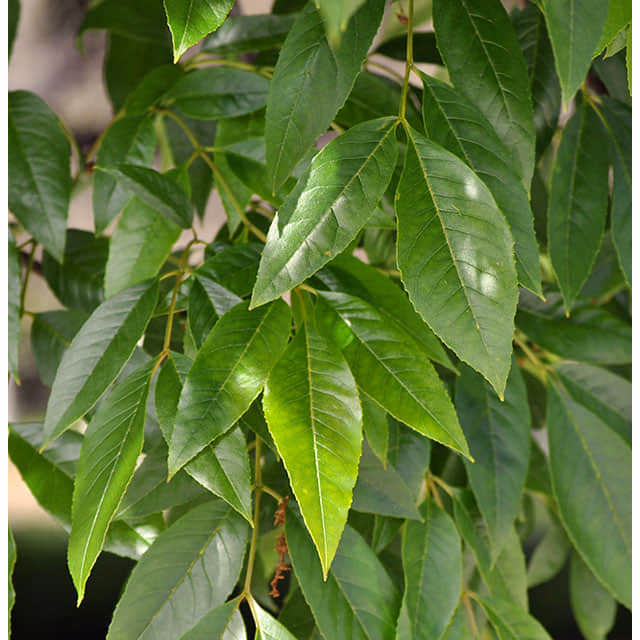
Why does your Fraxinus uhdei have sudden leaf drop? Diagnose the cause and fix it with our step-by-step guide.

pets Pet Friendly

search Possible Causes

error

Ash Borer Infestation (Agrilus planipennis)

The Emerald Ash Borer larvae feed on the cambium layer of the tree, disrupting the flow of nutrients and water. This systemic disruption causes rapid canopy dieback and sudden defoliation.

Very Common
lightbulb
How to confirm: Examine the trunk for D-shaped exit holes and serpentine galleries beneath the bark.
build How to fix it
shopping_cart Recommended Products
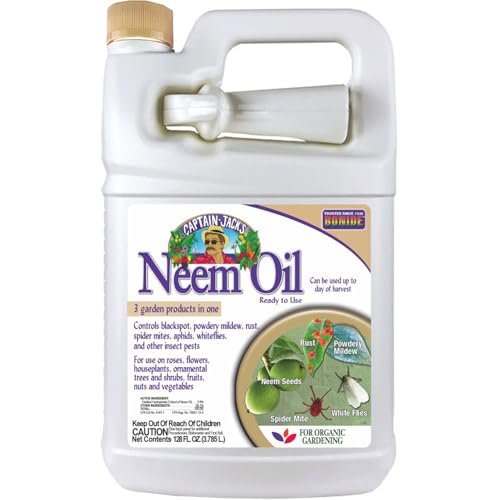
1 Inspect the trunk for D-shaped exit holes and apply an organic insecticide spray to target adult beetles and larvae.
2 Prune away and safely dispose of heavily infested or dead branches to prevent the spread of larvae to healthy parts of the tree.
3 Apply a systemic nutritional boost to help the tree recover from the disruption of its nutrient flow.
error

Severe Drought Stress

As a species that requires consistent moisture, extreme water deficit causes the tree to enter survival mode by shedding leaves to reduce transpiration. This often results in a sudden drop of wilted, desiccated leaves.

Very Common
lightbulb
How to confirm: Check the soil moisture several inches below the surface and look for crispy, brittle leaf margins.
build How to fix it
shopping_cart Recommended Products
1 Immediately provide a deep, slow soak to the root zone to rehydrate the soil and alleviate extreme water deficit.
2 Monitor soil moisture levels closely using a moisture meter to ensure the soil remains consistently moist but not waterlogged during recovery.
3 Apply a liquid seaweed fertilizer to help the tree recover from environmental stress and boost nutrient uptake.
warning

Anthracnose (Guignardia fraxini)

While primarily causing leaf spotting, a severe fungal outbreak during wet spring conditions can lead to premature senescence and rapid leaf drop. The fungus thrives in humid environments common for Fraxinus species.

Common
lightbulb
How to confirm: Inspect the fallen leaves for irregular brown blotches with distinct borders.
build How to fix it
shopping_cart Recommended Products
1 Apply an organic fungicide to the foliage to control the spread of the Anthracnose fungus and prevent further leaf drop.
2 Prune and remove all fallen leaves and infected branches from the base of the tree to reduce the fungal inoculum in the soil.
3 Improve air circulation around the tree and avoid overhead watering to ensure leaves dry quickly after rain or dew.
warning

Root Rot (Phytophthora spp.)

Poor drainage or compacted soil around the root zone can lead to fungal pathogens attacking the roots. As root mass dies, the tree loses its ability to support foliage, leading to sudden leaf loss.

Common
lightbulb
How to confirm: Check for standing water near the base of the tree and examine roots for dark, slimy patches.
build How to fix it
shopping_cart Recommended Products
1 Improve soil drainage by incorporating perlite or coarse sand into the root zone to prevent water pooling and oxygen deprivation.
2 Repot the plant into a container with superior drainage holes and use a highly porous, well-aerated potting medium.
3 Monitor soil moisture levels closely using a moisture meter to ensure the soil is not staying saturated for extended periods.
local_hospital All symptoms eco All plants with sudden leaf drop
favorite