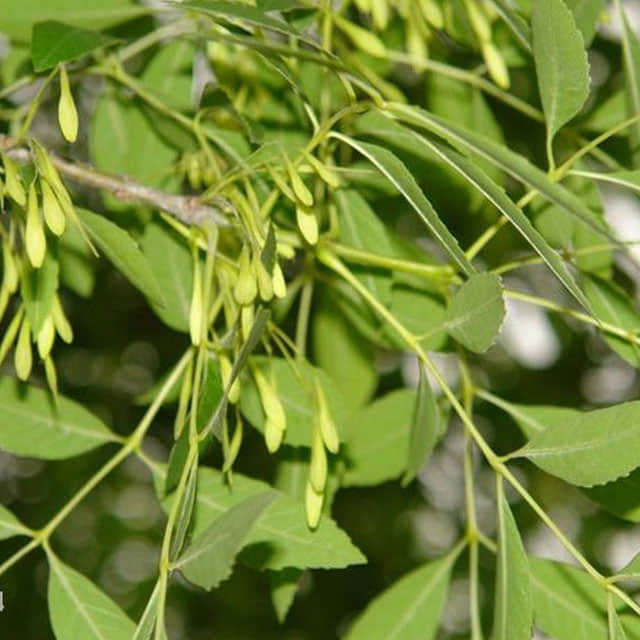
Fraxinus velutina Sudden Leaf Drop
eco Sudden Leaf Drop

Fraxinus velutina – Sudden Leaf Drop

Why does your Fraxinus velutina have sudden leaf drop? Diagnose the cause and fix it with our step-by-step guide.

pets Pet Friendly

search Possible Causes

error

Ash Dieback (Hymenoscyphus fraxineus)

This fungal pathogen is the most devastating cause of sudden leaf loss in Fraxinus species. It causes dieback of twigs and can lead to rapid defoliation as the fungus destroys the cambium layer.

Very Common
lightbulb
How to confirm: Inspect the tips of dead branches for small,-cup shaped fruiting bodies (apothecia) on the bark.
build How to fix it
shopping_cart Recommended Products
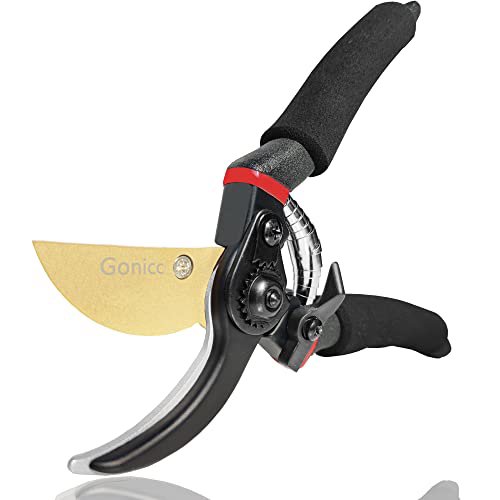
1 Prune away all infected, dead, or dying twigs and branches immediately, ensuring you sterilize your tools between every single cut to prevent spreading the fungus.
2 Remove and destroy all fallen leaves and debris from the base of the tree, as these serve as the primary source of fungal spores for future infections.
3 Apply a fungicide treatment to the affected areas to help manage the spread of the pathogen and protect healthy tissue.
error

Drought Stress

Velvet Ash requires consistent moisture; extreme dry spells trigger an abscission response where the tree sheds leaves to conserve water and prevent hydraulic failure.

Very Common
lightbulb
How to confirm: Check the soil moisture deep below the surface and look for brittle, desiccated twig ends.
build How to fix it
shopping_cart Recommended Products
1 Immediately deep-water the root zone to rehydrate the soil and mitigate hydraulic failure.
2 Monitor soil moisture levels closely using a moisture meter to ensure the soil remains consistently damp but not waterlogged.
3 Apply a mulch layer around the base of the tree to reduce evaporation and maintain stable soil temperatures.
warning

Root Rot (Phytophthora spp.)

Poor drainage or saturated soils can lead to root decay, which compromises the tree's ability to transport water to the canopy, resulting in sudden wilting and leaf drop.

Common
lightbulb
How to confirm: Check for standing water around the base of the tree and examine if the bark at the soil line feels soft or water-soaked.
build How to fix it
shopping_cart Recommended Products
1 Improve soil drainage immediately by aerating the root zone and ensuring the plant is not sitting in stagnant water.
2 Repot the tree into a container with superior drainage or amend the existing soil with horticultural perlite to increase aeration and prevent future saturation.
3 Prune away any mushy, blackened, or foul-smelling roots using sterilized tools to prevent the spread of Phytophthora.
warning

Insect Infestation (Ash Borer)

Larval feeding in the cambium layer disrupts nutrient transport, which can lead to rapid canopy thinning and sudden leaf drop as the tree's vascular system fails.

Common
lightbulb
How to confirm: Look for D-shaped exit holes in the bark or sawdust-like 'frass' accumulated at the base of the trunk.
build How to fix it
shopping_cart Recommended Products
1 Inspect the trunk and branches for exit holes or sawdust-like material (frass) and apply an organic insecticide spray to target larvae and adults.
2 Prune and safely dispose of heavily infested or dead branches to prevent the larvae from spreading further into the vascular system.
3 Apply a liquid seaweed fertilizer to help the tree recover from the stress of nutrient transport disruption and boost overall resilience.
local_hospital All symptoms eco All plants with sudden leaf drop
favorite