Fraxinus Sudden Leaf Drop
eco Sudden Leaf Drop

Fraxinus – Sudden Leaf Drop

Why does your Fraxinus have sudden leaf drop? Diagnose the cause and fix it with our step-by-step guide.

search Possible Causes

error

Ash Dieback (Hymenoscyphus fraxineus)

This fungal pathogen is the most significant threat to Fraxinus species, causing twig dieback that eventually leads to premature leaf drop. The fungus enters through buds and can quickly kill entire branches or the whole tree.

Very Common
lightbulb
How to confirm: Inspect the tips of dead branches for small, dark, fruiting bodies (apothecia) on the dead leaves or twigs.
build How to fix it
shopping_cart Recommended Products
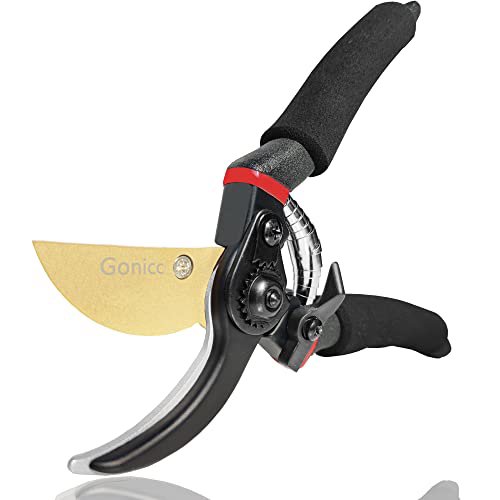
1 Prune away all infected, dead, or dying branches immediately using sterilized tools to prevent the fungus from spreading to healthy wood.
2 Sanitize your pruning shears with alcohol or a disinfectant after every cut to avoid spreading fungal spores to healthy parts of the tree.
3 Apply a fungicide treatment to the affected area and improve tree vigor by ensuring the soil is well-aerated and nutrient-rich.
error

Emerald Ash Borer (Agrilus planipennis)

This invasive beetle larvae feed on the cambium layer of the ash tree, disrupting the flow of water and nutrients. As the vascular system fails, the tree experiences canopy thinning and sudden leaf drop.

Very Common
lightbulb
How to confirm: Look for D-shaped exit holes in the bark and serpentine galleries under the outer bark layer.
build How to fix it
shopping_cart Recommended Products
1 Inspect the tree trunk for D-shaped exit holes and serpentine galleries under the bark, which are definitive signs of Emerald Ash Borer infestation.
2 Apply a systemic insecticide treatment specifically formulated for trees to kill larvae feeding in the cambium layer.
3 Reduce tree stress by ensuring the root zone remains hydrated and well-nourished, though note that once the vascular system is severely disrupted, recovery is difficult.
warning

Drought Stress

Ash trees have high transpiration rates and are sensitive to prolonged dry periods. When soil moisture is insufficient, the tree sheds leaves as a survival mechanism to reduce water loss.

Common
lightbulb
How to confirm: Check the soil moisture deep below the surface and look for overall wilting of the remaining canopy.
build How to fix it
shopping_cart Recommended Products
1 Deeply water the base of the tree to ensure moisture reaches the root zone, as ash trees require consistent hydration during dry spells.
2 Monitor soil moisture levels regularly using a probe to prevent future drought cycles and ensure the soil remains adequately hydrated.
3 Apply a thick layer of organic mulch around the base of the tree to help retain soil moisture and regulate temperature.
warning

Root Rot (Phytophthora spp.)

Excessive soil moisture or poor drainage can lead to fungal pathogens attacking the root system. This prevents the tree from transporting water to the upper canopy, resulting in sudden defoliation.

Common
lightbulb
How to confirm: Examine the base of the trunk for dark, water-soaked lesions and check if the soil remains saturated for long periods.
build How to fix it
shopping_cart Recommended Products
1 Improve soil drainage immediately by aerating the root zone and ensuring the planting site does not collect standing water.
2 Repot or amend the soil with horticultural perlite to increase oxygen levels and prevent further moisture retention around the roots.
3 Monitor soil moisture levels closely using a moisture meter to ensure the soil is not staying saturated for extended periods.
local_hospital All symptoms eco All plants with sudden leaf drop
favorite