Freesia Pink Fountain Tiny Black Flies
eco Tiny Black Flies

Freesia Pink Fountain – Tiny Black Flies

Why does your Freesia Pink Fountain have tiny black flies? Diagnose the cause and fix it with our step-by-step guide.

search Possible Causes

error

Fungus Gnats

The larvae of these flies live in the top layer of soil and feed on organic matter or decaying plant roots. In Freesia, they thrive in the moist, well-drained substrate required for bulb health, often causing secondary issues like root damage.

Very Common
lightbulb
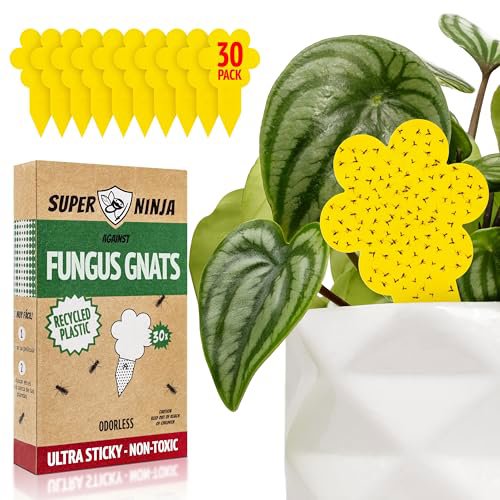
How to confirm: Place a yellow sticky trap near the base of the Freesia to confirm the presence of flying adults.
build How to fix it
shopping_cart Recommended Products
1 Deploy yellow sticky traps to capture the adult flying gnats and break the reproductive cycle.
2 Allow the top layer of soil to dry out significantly between waterings to make the environment inhospitable for larvae.
3 Apply a biological control or organic spray to target the larvae in the soil and protect the bulb roots.
error

Overwatering and Soil Anaeremia

Excessive moisture in the Freesia pot creates an ideal breeding ground for fungus gnats and can lead to bulb rot. Constant dampness prevents the soil from aerating, attracting moisture-loving insects.

Very Common
lightbulb
How to confirm: Stick your finger two inches into the soil; if it feels saturated, you are likely overwatering.
build How to fix it
shopping_cart Recommended Products
1 Reduce watering frequency and allow the top inch of soil to dry out completely before watering again to disrupt the fungus gnat life cycle.
2 Apply a biological control like Neem Oil or a targeted spray to eliminate adult and larval pests.
3 Repot the Freesia in a well-draining medium amended with perlite to improve soil aeration and prevent future anaerobic conditions.
warning

Decomposing Organic Matter

Old, dead leaves or uncomposted potting media in the Freesia container provide a food source for fly larvae. As these organic materials break down, they attract small flies looking to lay eggs.

Common
lightbulb
How to confirm: Inspect the surface of the soil for any decaying plant debris or old foliage that hasn't been removed.
build How to fix it
shopping_cart Recommended Products
1 Remove all dead, decaying leaves and debris from the soil surface to eliminate the primary breeding ground for the flies.
2 Apply yellow sticky traps near the plant to capture adult flies and disrupt the reproductive cycle.
3 Repot the Freesia in fresh, well-draining potting soil to replace the decomposing organic matter causing the infestation.

Other Freesia Pink Fountain problems

Your plant might also be experiencing one of these issues:

local_hospital All symptoms eco All plants with tiny black flies
favorite