Frithia pulchra Drooping Leaves
eco Drooping Leaves

Frithia pulchra – Drooping Leaves

Why does your Frithia pulchra have drooping leaves? Diagnose the cause and fix it with our step-by-step guide.

search Possible Causes

error

Overwatering and Root Rot

Frithia pulchra are succulents that require a dry period; excessive moisture causes the roots to decay, losing their ability to support leaf turgidity. This is the most common cause of sudden drooping in this species.

Very Common
lightbulb
How to confirm: Gently lift the plant from the substrate to check if the roots are dark brown and mushy rather than firm and white.
build How to fix it
shopping_cart Recommended Products
1 Immediately remove the plant from the pot and inspect the roots; trim away any mushy, black, or foul-smelling decayed roots using sterilized tools.
2 Repot the Frithia in a completely fresh, well-draining substrate specifically designed for succulents, such as a mix containing perlite or pumice to prevent future water retention.
3 Use a moisture meter to monitor the soil and ensure the plant is allowed to dry out completely between waterings, avoiding any moisture buildup in the base of the leaves.
error

Dehydration (Underwatering)

When the water reserves in the fleshy leaves are depleted, the plant loses internal pressure, leading to a limp or collapsed appearance. This occurs when the substrate has been bone-dry for an extended period without replenishment.

Very Common
lightbulb
How to confirm: Check if the soil is completely desiccated and feel if the leaves are significantly wrinkled or shrunken.
build How to fix it
shopping_cart Recommended Products
1 Immediately soak the substrate by adding water until it drains from the bottom of the pot to restore internal leaf pressure.
2 Use a moisture meter to monitor the substrate and ensure you are watering only when the soil is completely dry to prevent future dehydration.
3 Ensure the plant is in a well-draining medium, such as a mix containing perlite, to allow for efficient water absorption without causing rot.
warning

Temperature Stress (Cold Damage)

Frithia pulchra are sensitive to low temperatures; exposure to drafts or temperatures below 50°F (10°C) can cause cellular damage and wilting. This often manifests as a soft, drooping texture in the leaf body.

Common
lightbulb
How to confirm: Observe if the drooping coincided with a recent move to a colder window sill or a drop in room temperature.
build How to fix it
shopping_cart Recommended Products
1 Immediately move the plant to a warmer, draft-free location, ensuring temperatures remain consistently above 50°F (10°C).
2 Monitor soil moisture closely to ensure the plant is not overwatered while recovering, as cold-damaged tissue is highly susceptible to rot.
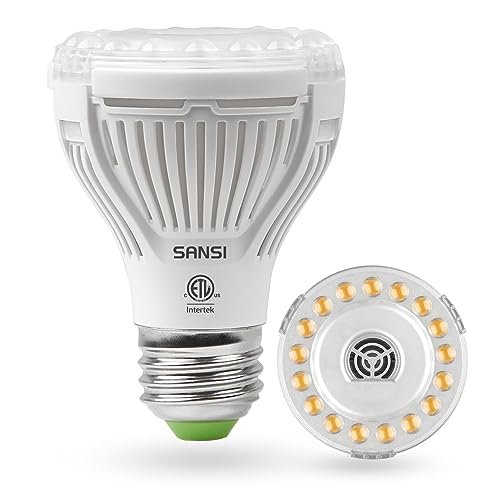
3 If the plant is in a cold window area, consider using a grow light to provide supplemental warmth and consistent light energy during recovery.
warning

Nutrient Deficiency

Long-term cultivation in depleted, sandy substrate without fertilization can lead to weakened cell walls. This lack of essential minerals prevents the plant from maintaining structural integrity.

Common
lightbulb
How to confirm: Inspect if there has been no fertilization or soil replenishment for more than a full growing season.
build How to fix it
shopping_cart Recommended Products
1 Apply a diluted liquid fertilizer to provide essential minerals and strengthen cell walls.
2 Supplement the soil with a calcium and magnesium boost to improve structural integrity and prevent further drooping.
3 Ensure the plant is in a well-draining substrate like perlite or clay pebbles to prevent mineral buildup and root rot.

Other Frithia pulchra problems

Your plant might also be experiencing one of these issues:

local_hospital All symptoms eco All plants with drooping leaves
favorite