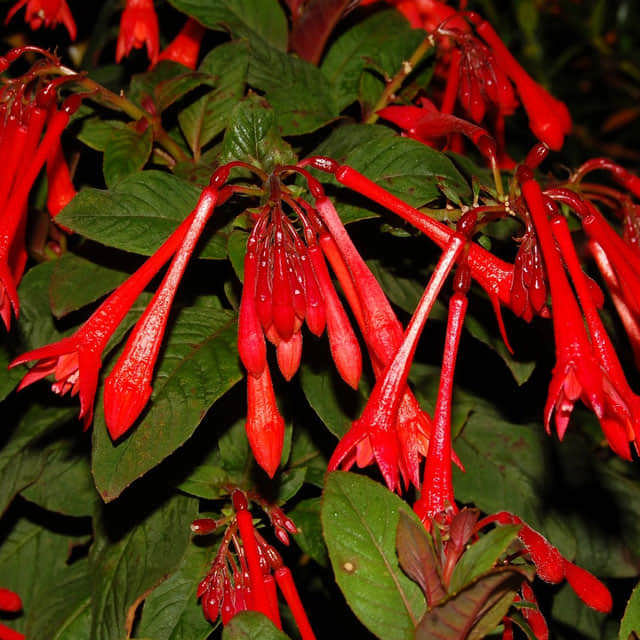
Fuchsia triphylla Leggy Stems
eco Leggy Stems

Fuchsia triphylla – Leggy Stems

Why does your Fuchsia triphylla have leggy stems? Diagnose the cause and fix it with our step-by-step guide.

pets Pet Friendly

search Possible Causes

error

Insufficient Light Intensity

Fuchsia triphylla requires bright, filtered light to maintain compact growth. When light levels are too low, the plant undergoes etiolation, stretching its stems toward the nearest light source to maximize photosynthesis.

Very Common
lightbulb
How to confirm: Observe if the internodes (the space between leaves) appear unusually long and thin compared to previous seasons.
build How to fix it
shopping_cart Recommended Products
1 Move your Fuchsia to a location with brighter, filtered light to prevent further stem stretching.
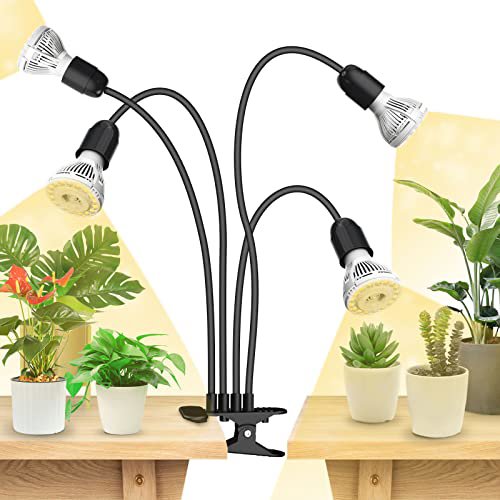
2 Supplement with a full-spectrum grow light to provide the necessary intensity for compact growth.
3 Prune the elongated, leggy stems using sharp shears to encourage bushier growth and better light penetration.
error

Excessive Nitrogen Fertilization

A high nitrogen-to-potassium ratio in fertilizer promotes rapid vegetative growth at the expense of structural integrity, leading to soft, elongated, and weak stems.

Very Common
lightbulb
How to confirm: Review your recent fertilizer brand and check if the N-P-K ratio is heavily weighted toward Nitrogen.
build How to fix it
shopping_cart Recommended Products
1 Flush the soil with plenty of fresh, room-temperature water to leach out excess nitrogen salts from the root zone.
2 Switch to a fertilizer with a higher potassium ratio to promote stem strength and structural integrity.
3 Prune the elongated, weak stems using sharp, clean shears to encourage bushier, more compact growth.
warning

Improper Pruning Regimen

Lack of regular pinching or deadheading allows old, woody stems to continue growing vertically without stimulating lateral branching, resulting in a sparse, leggy appearance.

Common
lightbulb
How to confirm: Check if the plant has been allowed to grow for several months without any terminal bud removal.
build How to fix it
shopping_cart Recommended Products
1 Prune back the long, leggy stems by cutting them back to a node where healthy leaves are present to stimulate new lateral growth.
2 Regularly deadhead spent flowers and pinch off the tips of new growth to encourage a bushier, more compact plant structure.
3 Ensure the plant receives adequate light to prevent further stretching, using a grow light if indoor light levels are insufficient.
warning

Temperature and Humidity Stress

High nighttime temperatures combined with low humidity can cause rapid, spindly growth as the plant attempts to transpire more quickly through increased surface area.

Common
lightbulb
How to confirm: Monitor if the leggy growth coincides with a recent heatwave or dry indoor heating season.
build How to fix it
shopping_cart Recommended Products
1 Increase ambient humidity around the plant by using a pebble tray or a fine misting spray bottle to prevent rapid transpiration.
2 Move the plant to a cooler location with stable temperatures and avoid placing it near heat vents or in direct sunlight that could exacerbate temperature stress.
3 Prune the elongated, spindly stems using sharp, clean shears to encourage bushier, more compact growth.

Other Fuchsia triphylla problems

Your plant might also be experiencing one of these issues:

local_hospital All symptoms eco All plants with leggy stems
favorite