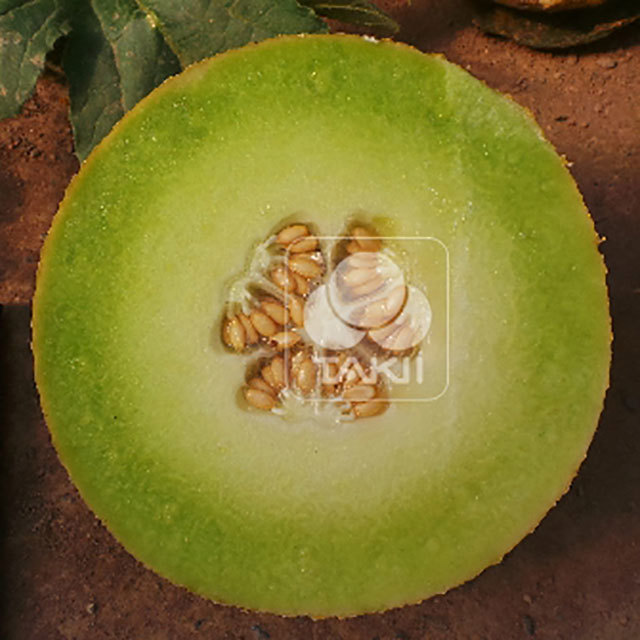
Galia Melon Pasodoble F1 White Cottony Spots
eco White Cottony Spots

Galia Melon Pasodoble F1 – White Cottony Spots

Why does your Galia Melon Pasodoble F1 have white cottony spots? Diagnose the cause and fix it with our step-by-step guide.

pets Pet Friendly

search Possible Causes

error

Powdery Mildew

This fungal disease is common in Galia melons and manifests as white, flour-like patches on leaves and stems. It thrives in high humidity with frequent leaf wetting.

Very Common
lightbulb
How to confirm: Inspect the undersides of the leaves to see if the white spots are spreading across the leaf surface like dust.
build How to fix it
shopping_cart Recommended Products
1 Apply an organic fungicide to the affected leaves and stems to stop the spread of the fungal spores.
2 Prune and remove any heavily infected leaves to prevent the mildew from spreading to healthy parts of the melon plant.
3 Improve air circulation around the melon vines and avoid overhead watering to keep the foliage dry and reduce humidity.
error

Mealybugs

These small insects secrete a white, waxy, cottony substance to protect themselves while feeding on the melon's sap. They often congregate at the nodes or the base of the fruit.

Very Common
lightbulb
How to confirm: Look for tiny, slow-moving insects underneath the leaves or near the stem joints.
build How to fix it
shopping_cart Recommended Products
1 Apply an organic insecticide spray to the affected areas to eliminate the mealybug population and destroy the protective waxy coating.
2 Manually remove visible insect clusters using a cotton swab dipped in isopropyl alcohol to prevent further sap feeding.
3 Inspect the undersides of leaves and plant nodes regularly to catch any remaining larvae or eggs before they spread.
warning

Cottony Cushion Scale

This scale insect produces a white, cottony mass that can cover parts of the melon vine. It sucks nutrients from the plant, often causing leaves to yellow or distort.

Common
lightbulb
How to confirm: Check for small, bumps on the stems that appear to be covered in white fuzz.
build How to fix it
shopping_cart Recommended Products
1 Apply an organic insecticide spray to the melon vines to eliminate the cottony masses and kill the scale insects.
2 Prune and carefully dispose of heavily infested stems or leaves to prevent the scale from spreading to healthy parts of the plant.
3 Monitor the plant's health and ensure it receives adequate nutrition to recover from the nutrient loss caused by the pests.
warning

Sclerotinia (White Mold)

While less common as 'spots,' this pathogen produces white, cottony mycelium at the base of the plant or on wounded fruit. It can lead to rapid stem decay in cucurbits.

Common
lightbulb
How to confirm: Examine the base of the melon vine for any mushy, darkened tissue covered in white fuzz.
build How to fix it
shopping_cart Recommended Products
1 Remove and destroy all infected plant material and fruit immediately to prevent the white mycelium from spreading to healthy parts of the melon plant.
2 Apply an organic fungicide to protect remaining healthy tissues from further fungal colonization.
3 Improve air circulation around the base of the plant and reduce overhead watering to keep the foliage and stems dry, as moisture promotes Sclerotinia growth.

Other Galia Melon Pasodoble F1 problems

Your plant might also be experiencing one of these issues:

local_hospital All symptoms eco All plants with white cottony spots
favorite