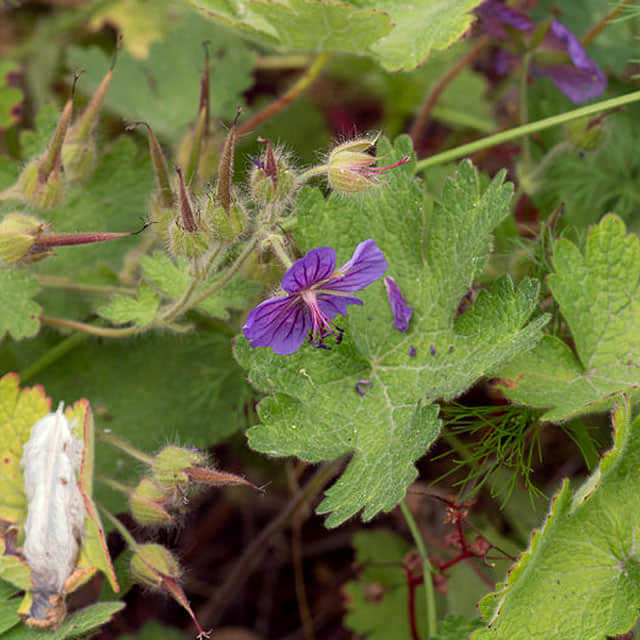
Geranium ibericum Yellow Leaves
eco Yellow Leaves

Geranium ibericum – Yellow Leaves

Why does your Geranium ibericum have yellow leaves? Diagnose the cause and fix it with our step-by-step guide.

search Possible Causes

error

Overwatering and Root Rot

Geranium ibericum is sensitive to waterlogged soil, which leads to anaerobic conditions. Excessive moisture causes the roots to decay, preventing the plant from transporting nitrogen and magnesium, resulting in chlorosis.

Very Common
lightbulb
How to confirm: Stick your finger two inches into the soil; if it feels soggy or smells musty, you are overwatering.
build How to fix it
shopping_cart Recommended Products
1 Immediately stop watering and allow the soil to dry out completely to stop the progression of root rot.
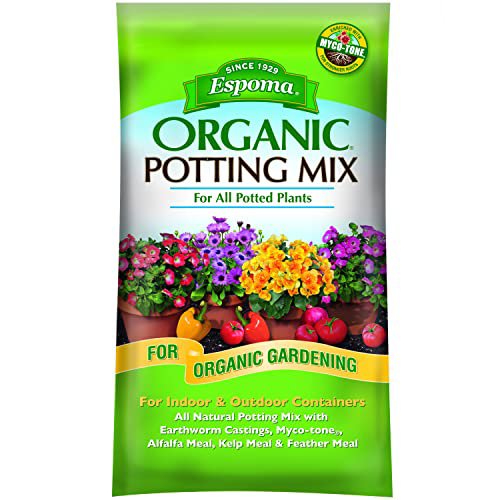
2 Repot the plant in a fresh, well-draining potting mix and ensure the container has adequate drainage to prevent future waterlogging.
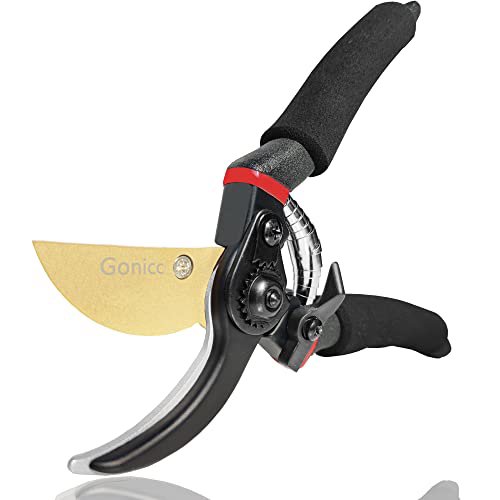
3 Prune away any mushy, blackened, or decayed roots using sterilized tools to prevent the rot from spreading to healthy tissue.
error

Nitrogen Deficiency

A lack of available nitrogen prevents the synthesis of chlorophyll. In Iberican Geraniums, this typically manifests as a uniform yellowing of older leaves first as the plant mobilizes nutrients to new growth.

Very Common
lightbulb
How to confirm: Observe if the yellowing starts on the bottom-most leaves and spreads upward.
build How to fix it
shopping_cart Recommended Products
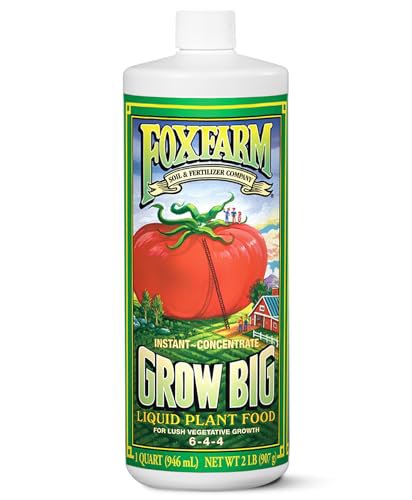
1 Apply a nitrogen-rich liquid fertilizer to boost chlorophyll production and revitalize the plant's foliage.
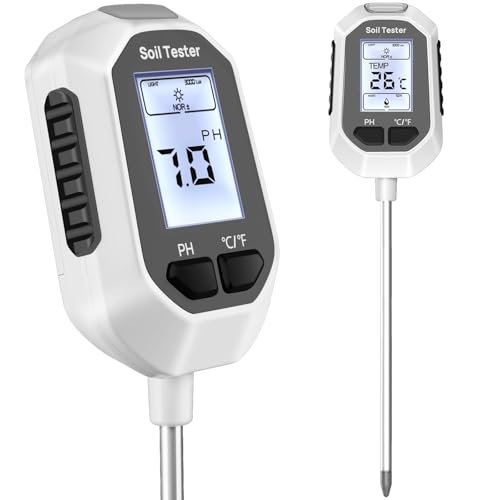
2 Monitor the soil moisture levels using a moisture meter to ensure the nitrogen is being effectively absorbed by the roots.
3 Prune away the most severely yellowed older leaves to allow the plant to redirect its energy toward healthy new growth.
warning

Iron Chlorosis

If the soil pH is too high (alkaline), iron becomes chemically unavailable to the plant. This results in interveinal chlorosis, where leaf veins remain green while the rest of the tissue turns yellow.

Common
lightbulb
How to confirm: Check if the new, young leaves are turning yellow while the veins stay distinctly dark green.
build How to fix it
shopping_cart Recommended Products
1 Test your soil pH to confirm alkalinity; iron becomes unavailable to Geraniums when pH levels are too high.
2 Apply a chelated iron supplement or a specialized fertilizer to provide readily available iron to the plant.
3 Amend the soil with organic matter or acidifying amendments to lower the pH and improve nutrient uptake.
warning

Temperature Stress

Extreme fluctuations in temperature or sudden cold snaps can disrupt metabolic processes in Geranium ibericum. This stress often triggers the degradation of chlorophyll as a defense mechanism.

Common
lightbulb
How to confirm: Check if there has been a recent significant drop in nighttime temperatures or exposure to frost.
build How to fix it
shopping_cart Recommended Products
1 Move your plant to a stable environment away from cold drafts, air conditioning vents, or sudden heat sources to prevent further metabolic disruption.
2 Monitor the soil moisture closely during temperature shifts, as cold or hot snaps can alter evaporation rates; use a moisture meter to ensure the roots are not sitting in waterlogged soil.
3 Apply a balanced liquid fertilizer to help the plant recover its nutrient uptake and rebuild chlorophyll levels once temperatures stabilize.

Other Geranium ibericum problems

Your plant might also be experiencing one of these issues:

local_hospital All symptoms eco All plants with yellow leaves
favorite