Geranium macrorrhizum Yellow Leaves
eco Yellow Leaves

Geranium macrorrhizum – Yellow Leaves

Why does your Geranium macrorrhizum have yellow leaves? Diagnose the cause and fix it with our step-by-step guide.

pets Pet Friendly

search Possible Causes

error

Overwatering and Soil Compaction

Geranium macrorrhizum prefers well-drained soil; sitting in waterlogged ground leads to oxygen deprivation in the roots, causing chlorosis (yellowing) as the plant fails to uptake nutrients.

Very Common
lightbulb
How to confirm: Check if the soil remains soggy several inches below the surface for extended periods after watering.
build How to fix it
shopping_cart Recommended Products
1 Immediately stop watering and allow the soil to dry out completely to prevent further root rot.
2 Repot the plant into a well-draining medium and incorporate perlite to alleviate soil compaction and improve aeration.
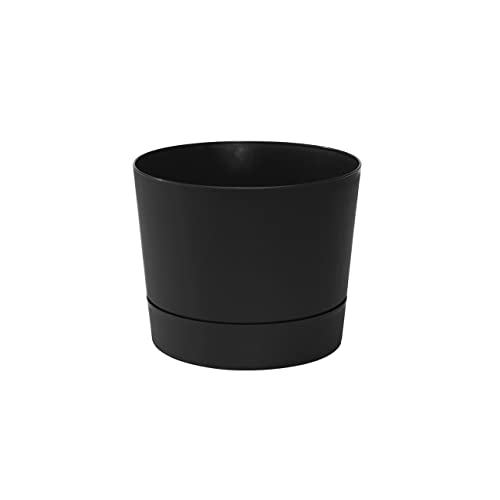
3 Ensure the plant is in a container with proper drainage, such as a Root & Vessel pot with an integrated drainage tray, to prevent waterlogging.
error

Nitrogen Deficiency

A lack of available nitrogen prevents the production of chlorophyll, leading to a uniform yellowing that typically starts on older, lower leaves of the cranesbill.

Very Common
lightbulb
How to confirm: Observe if the yellowing is progressing from the bottom of the plant upward toward new growth.
build How to fix it
shopping_cart Recommended Products
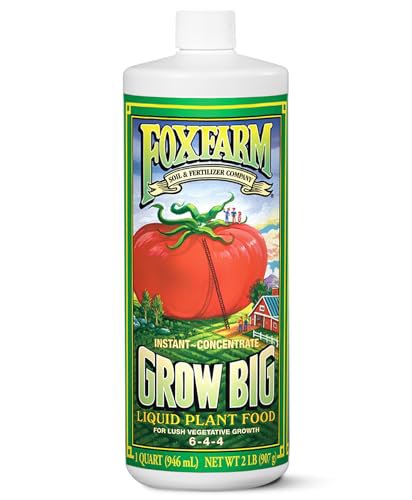
1 Apply a nitrogen-rich liquid fertilizer to provide immediate nutrient uptake and restore chlorophyll production.
2 Incorporate an organic soil amendment like worm castings into the top layer of the soil to provide a slow-release source of nitrogen.
3 Monitor soil moisture levels with a meter to ensure nitrogen is being effectively transported to the roots without causing waterlogging.
warning

Botrytis Blight (Early Stage)

High humidity and poor air circulation around the dense foliage of Dalmatian Cranesbill can trigger fungal pathogens that cause leaves to yellow and eventually develop brown spots.

Common
lightbulb
How to confirm: Inspect the undersides of the yellowing leaves for fuzzy gray mold or small dark lesions.
build How to fix it
shopping_cart Recommended Products
1 Prune and remove all yellowing or infected foliage immediately to prevent the fungal spores from spreading to healthy parts of the plant.
2 Apply an organic fungicide to protect the remaining healthy tissue and control the spread of the blight.
3 Improve air circulation around the dense foliage by thinning out the plant and ensuring it is not in a high-humidity, stagnant area.
warning

Insufficient Sunlight

While quite shade-tolerant, if this species is placed in deep, permanent shade without enough light penetration, it may struggle to maintain chlorophyll levels, resulting in pale, yellowish foliage.

Common
lightbulb
How to confirm: Evaluate the light levels of your planting site and check if the plant is growing in a location with significantly less light than previous seasons.
build How to fix it
shopping_cart Recommended Products
1 Relocate the plant to a spot with brighter, filtered light or dappled sunlight to boost chlorophyll production.
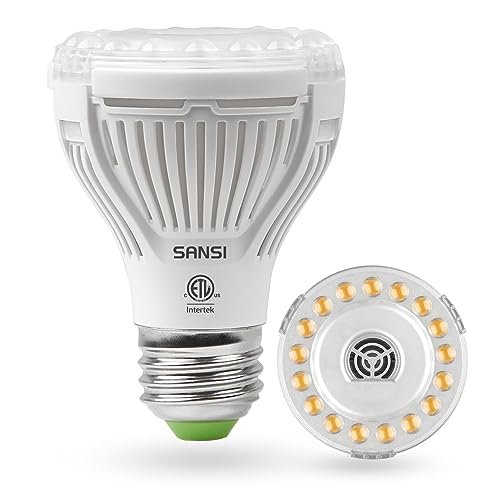
2 Supplement with a full-spectrum grow light if the area remains too dark, ensuring the light mimics natural daylight.
3 Monitor the soil moisture levels closely, as insufficient light can slow evaporation and lead to secondary issues like root rot.

Other Geranium macrorrhizum problems

Your plant might also be experiencing one of these issues:

local_hospital All symptoms eco All plants with yellow leaves
favorite