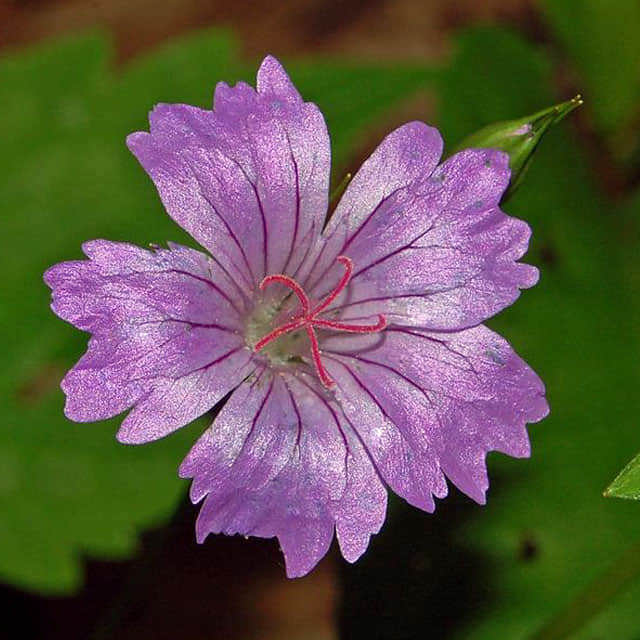
Geranium nodosum Yellow Leaves
eco Yellow Leaves

Geranium nodosum – Yellow Leaves

Why does your Geranium nodosum have yellow leaves? Diagnose the cause and fix it with our step-by-step guide.

pets Pet Friendly

search Possible Causes

error

Overwatering and Poor Drainage

Geranium nodosum is prone to root rot if the growing medium remains saturated. Excessive moisture causes oxygen deprivation in the roots, leading to chlorosis (yellowing) as the plant can no longer transport nutrients.

Very Common
lightbulb
How to confirm: Stick your finger two inches into the soil; if it feels soggy or smells slightly fermented, reduce watering frequency.
build How to fix it
shopping_cart Recommended Products
1 Immediately stop watering and allow the soil to dry out completely. Use a moisture meter to monitor the soil levels and ensure the root zone is not staying saturated.
2 Repot the plant in a well-draining potting mix amended with perlite to improve aeration and prevent future waterlogging.
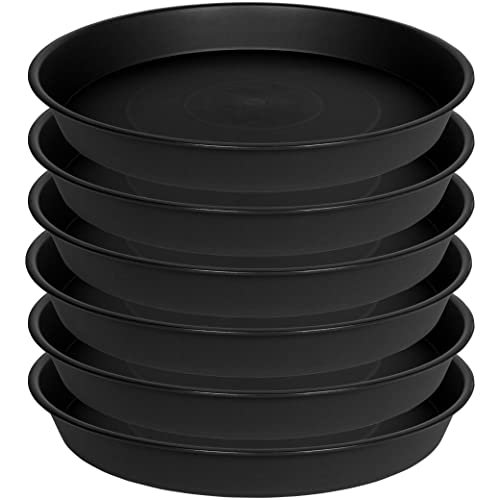
3 Ensure the plant is in a container with functional drainage holes and use a saucer to catch excess water, making sure the pot is not sitting in stagnant water.
error

Nitrogen Deficiency

As a perennial that can grow relatively quickly in spring, this species requires consistent nitrogen. A lack of available nitrogen causes older leaves to turn uniformly yellow before progressing toward the stem.

Very Common
lightbulb
How to confirm: Observe if the yellowing starts on the oldest, bottom leaves first and check if you have fertilized recently.
build How to fix it
shopping_cart Recommended Products
1 Apply a nitrogen-rich liquid fertilizer to provide immediate nutrient uptake for the plant.
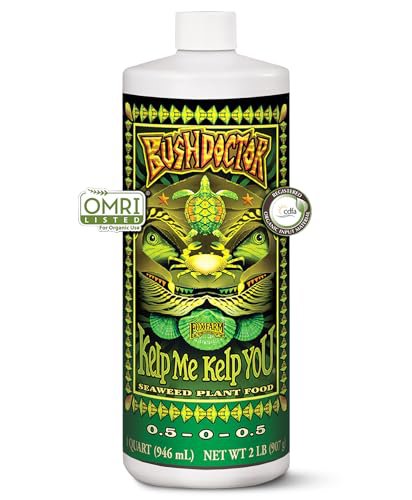
2 Incorporate an organic soil amendment like worm castings into the top layer of the soil to ensure long-term nitrogen availability.
3 Monitor soil moisture levels with a meter to ensure the nitrogen can be effectively transported to the roots without causing root rot.
warning

Light Stress (Insufficient Light)

While it can handle partial shade, a significant drop in light intensity prevents photosynthesis from occurring efficiently. This leads to a loss of chlorophyll and pale, yellowing foliage.

Common
lightbulb
How to confirm: Check if the plant has recently been moved to a darker corner or if seasonal changes have reduced available sunlight.
build How to fix it
shopping_cart Recommended Products
1 Move your Geranium nodosum to a location with brighter, indirect light to restore chlorophyll production and photosynthesis.
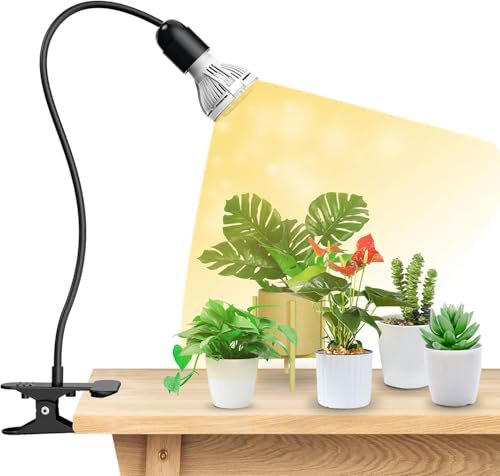
2 Supplement with a full-spectrum grow light to stabilize light intensity, especially if natural light is insufficient.
3 Monitor the soil moisture closely, as insufficient light often leads to slower water evaporation and potential root issues.
warning

Temperature Fluctuations/Cold Stress

Geranium nodosum is sensitive to sudden cold snaps. Rapidly dropping temperatures can damage the cellular structure of the leaves, causing them to lose pigment and turn yellow.

Common
lightbulb
How to confirm: Check for recent exposure to nighttime temperatures below 50°F (10°C) or drafts from windows.
build How to fix it
shopping_cart Recommended Products
1 Move your plant to a stable, warmer environment away from cold drafts, windows, or air conditioning vents to prevent further cellular damage.
2 Monitor the soil moisture closely, as cold stress can slow down evaporation; use a moisture meter to ensure the roots are not sitting in overly damp, cold soil.
3 Apply a diluted liquid seaweed fertilizer to help the plant recover from environmental stress and boost nutrient uptake.

Other Geranium nodosum problems

Your plant might also be experiencing one of these issues:

local_hospital All symptoms eco All plants with yellow leaves
favorite