Geranium psilostemon Yellow Leaves
eco Yellow Leaves

Geranium psilostemon – Yellow Leaves

Why does your Geranium psilostemon have yellow leaves? Diagnose the cause and fix it with our step-by-step guide.

pets Pet Friendly

search Possible Causes

error

Overwatering and Root Suffocation

Geranium psilostemon is drought-tolerant and prone to root rot if the substrate remains saturated. Excess moisture deprives the roots of oxygen, leading to chlorosis (yellowing) as the plant can no longer transport nutrients.

Very Common
lightbulb
How to confirm: Insert your finger 2 inches into the soil; if it feels damp but the leaves are yellowing, reduce watering frequency.
build How to fix it
shopping_cart Recommended Products
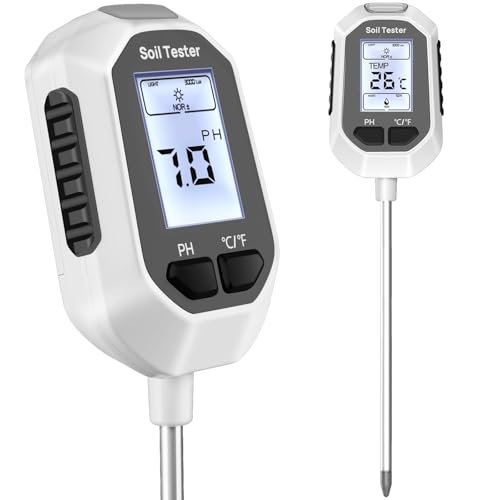
1 Immediately stop watering and allow the soil to dry out completely. Use a moisture meter to monitor the substrate and ensure you do not water again until the top inch of soil is dry.
2 Repot the plant in a well-draining medium by mixing in perlite to increase aeration and prevent future root suffocation.
3 Inspect the roots for any mushy, dark, or foul-smelling rot; trim away any damaged roots using sterilized shears to prevent the spread of decay.
error

Nitrogen Deficiency

A lack of available nitrogen prevents the synthesis of chlorophyll in the older leaves. In Geraniums, this typically manifests as a uniform yellowing that starts on bottom leaves and moves upward.

Very Common
lightbulb
How to confirm: Check if the new growth is dark green while older leaves are turning pale yellow.
build How to fix it
shopping_cart Recommended Products
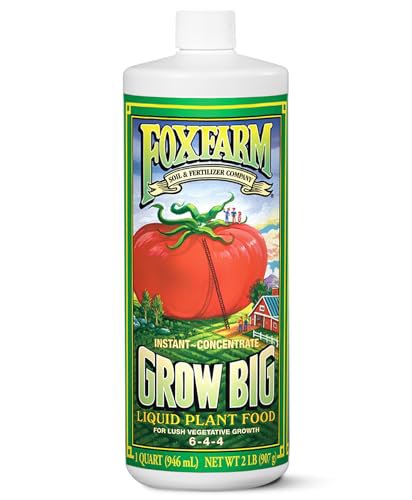
1 Apply a nitrogen-rich liquid fertilizer to provide immediate nutrient availability for chlorophyll synthesis.
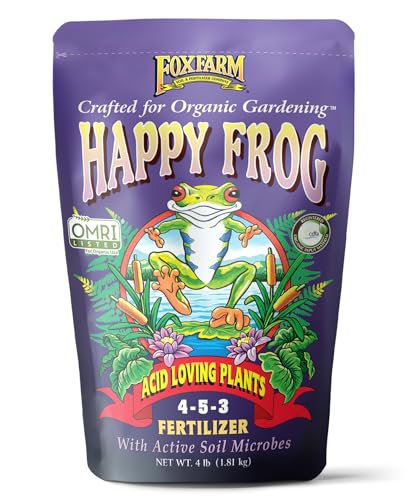
2 Incorporate an organic soil amendment like worm castings to provide a slow-release source of nitrogen and improve soil health.
3 Monitor soil moisture levels using a moisture meter to ensure nitrogen is being effectively transported to the roots without causing waterlogging.
warning

Temperature Stress (Cold Shock)

As a species that can tolerate cool weather but not frost, sudden drops in temperature can cause metabolic disruption. This stress often leads to the breakdown of chlorophyll, resulting in yellowing foliage.

Common
lightbulb
How to confirm: Monitor recent nighttime temperatures to see if they dropped below 5°C (41°F) recently.
build How to fix it
shopping_cart Recommended Products
1 Move the plant to a stable, warmer environment away from cold drafts or windows to prevent further metabolic disruption.
2 Monitor soil moisture closely, as cold temperatures can slow evaporation and lead to root rot; use a moisture meter to ensure the soil is not waterlogged.
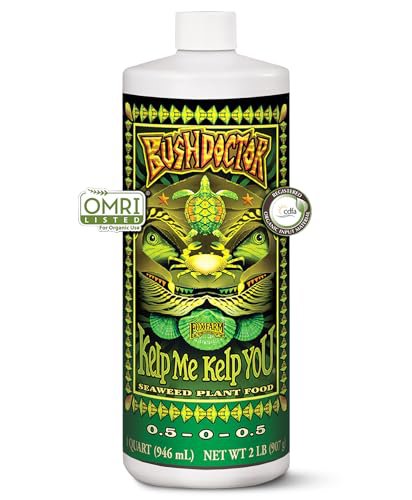
3 Apply a diluted liquid seaweed fertilizer to help the plant recover from environmental stress and boost nutrient uptake.
warning

Iron Chlorosis (Soil pH Imbalance)

If the soil pH is too high (alkaline), Geranium psilostemon cannot uptake iron effectively. This results in interveinal chlorosis, where leaves turn yellow but the veins remain dark green.

Common
lightbulb
How to confirm: Examine the yellowing pattern; if the veins are still distinctly green while the rest of the leaf is yellow, check your soil pH.
build How to fix it
shopping_cart Recommended Products
1 Test your soil pH to confirm alkalinity; for Geranium psilostemon, a slightly acidic environment is ideal for iron uptake.
2 Apply an acidifying soil amendment or a specialized fertilizer to lower the pH and make iron more bioavailable.
3 Amend the existing soil with organic matter like peat moss or acid-loving plant mixes to help stabilize a lower pH.

Other Geranium psilostemon problems

Your plant might also be experiencing one of these issues:

local_hospital All symptoms eco All plants with yellow leaves
favorite