Geranium sylvaticum Yellow Leaves
eco Yellow Leaves

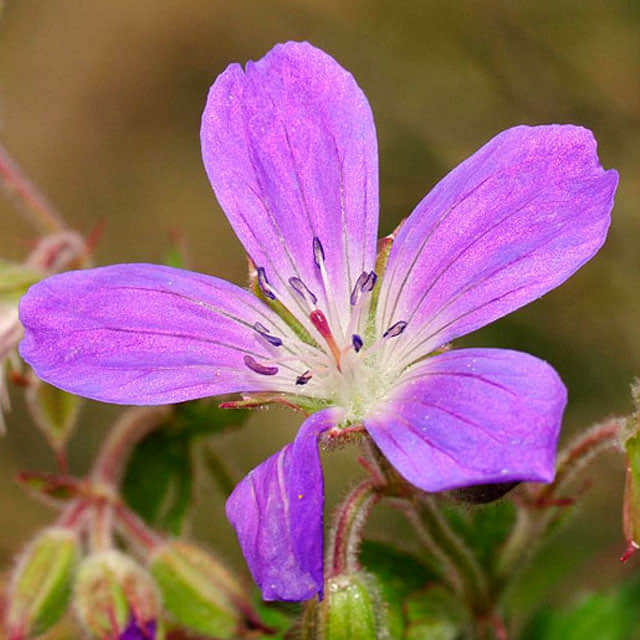
Geranium sylvaticum – Yellow Leaves

Why does your Geranium sylvaticum have yellow leaves? Diagnose the cause and fix it with our step-by-step guide.

pets Pet Friendly

search Possible Causes

error

Nitrogen Deficiency

As a perennial that thrives in nitrogen-rich woodland soils, Geranium sylvaticum will exhibit chlorosis (yellowing) starting from older leaves when nitrogen levels are depleted. This prevents the synthesis of chlorophyll necessary for photosynthesis.

Very Common
lightbulb
How to confirm: Check if the yellowing is progressing from the bottom/older leaves upward toward the new growth.
build How to fix it
shopping_cart Recommended Products
1 Apply a nitrogen-rich organic fertilizer to replenish soil nutrients and restore chlorophyll production.
2 Supplement with a liquid seaweed fertilizer to boost nutrient uptake and support overall plant vigor.
3 Monitor soil moisture levels using a moisture meter to ensure nitrogen-rich nutrients are being effectively absorbed by the roots.
error

Overwatering and Root Suffocation

While Wood Cranesbill prefers consistent moisture, waterlogged soil leads to anaerobic conditions that cause root rot. This damage prevents the plant from transporting nutrients, manifesting as general leaf yellowing.

Very Common
lightbulb
How to confirm: Press your finger into the soil; if it is soggy several inches deep and the leaves feel limp, reduce watering frequency.
build How to fix it
shopping_cart Recommended Products
1 Immediately stop watering and allow the soil to dry out significantly to restore oxygen to the root zone.
2 Repot the plant into a well-draining medium and ensure the container has adequate drainage to prevent future waterlogging.
3 Prune away any mushy, blackened, or dead roots to prevent the spread of rot throughout the root system.
warning

Fungal Leaf Spot (e.g., Puccinia species)

Certain rust fungi common in damp woodland environments can cause chlorotic patches on Geranium leaves before dark pustules appear. This disrupts the cellular structure of the leaf tissue.

Common
lightbulb
How to confirm: Inspect the undersides of the yellowing leaves for small, orange, or brown raised bumps/pustules.
build How to fix it
shopping_cart Recommended Products
1 Remove and discard all heavily infected or yellowing leaves to prevent the spread of fungal spores to healthy foliage.
2 Apply an organic fungicide to the affected plant to control the spread of the rust fungus.
3 Improve air circulation around the plant and avoid overhead watering to keep the foliage dry and reduce the damp conditions that favor fungal growth.
warning

Temperature Stress (Cold Shock)

Sudden drops in temperature or frost damage to the foliage can cause the plant's cells to rupture, leading to rapid yellowing and wilting of the leaves.

Common
lightbulb
How to confirm: Observe if the yellowing occurred immediately following a period of unseasonable frost or a sharp temperature drop.
build How to fix it
shopping_cart Recommended Products
1 Move the plant to a sheltered, warmer location to protect it from further temperature fluctuations and frost.
2 Apply a liquid seaweed fertilizer to help the plant recover from environmental stress and boost nutrient uptake.
3 Monitor the soil moisture closely to ensure the plant is not being overwatered while it is in a stressed state.

Other Geranium sylvaticum problems

Your plant might also be experiencing one of these issues:

local_hospital All symptoms eco All plants with yellow leaves
favorite