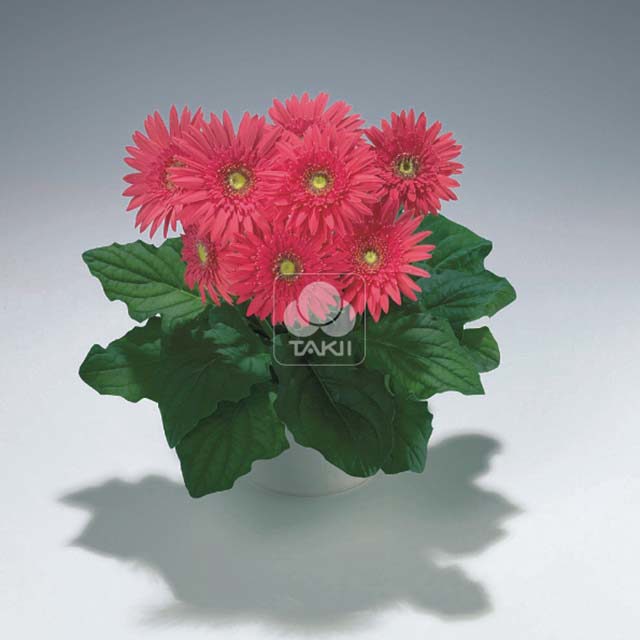
Gerbera Daisy Deep Rose Drooping Leaves
eco Drooping Leaves

Gerbera Daisy Deep Rose – Drooping Leaves

Why does your Gerbera Daisy Deep Rose have drooping leaves? Diagnose the cause and fix it with our step-by-step guide.

pets Pet Friendly

search Possible Causes

error

Overwatering and Root Rot

Gerberas are highly susceptible to Phytophthora and Pythium when soil remains saturated. Excessive moisture suffocates the roots, preventing them to take up water, which results in a characteristic heavy, limp drooping of the foliage.

Very Common
lightbulb
How to confirm: Stick your finger two inches into the soil; if it is soggy or smells musty, root rot is likely.
build How to fix it
shopping_cart Recommended Products
1 Immediately remove the plant from its current container and trim away any mushy, black, or foul-smelling roots caused by rot.
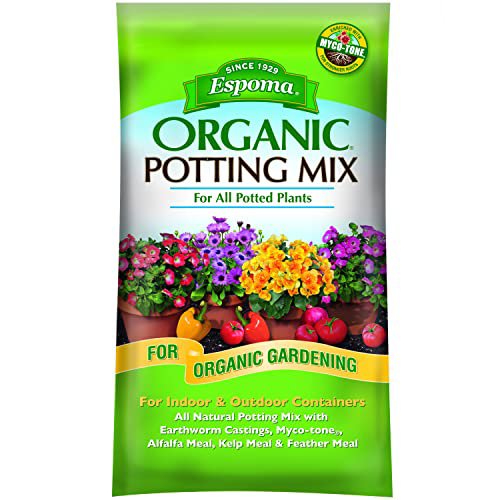
2 Repot the Gerbera in a fresh, well-draining potting mix and a container with adequate drainage to prevent future water stagnation.
3 Use a soil moisture meter to monitor the substrate, ensuring you only water when the top inch of soil is dry to avoid repeat overwatering.
error

Underwatering and Dehydration

Gerbera Daisies have relatively shallow root systems that dry out quickly in warm temperatures. When the cellular turgor pressure drops due to lack of moisture, the leaves lose their structural integrity and wilt.

Very Common
lightbulb
How to confirm: Check if the soil is bone-dry and if the leaf edges appear crispy or brown.
build How to fix it
shopping_cart Recommended Products
1 Immediately check the soil moisture level using a moisture meter to confirm the depth of dehydration.
2 Thoroughly water the plant until water drains from the bottom of the pot, ensuring the shallow root system is fully saturated.
3 To prevent future dehydration, consider using a self-watering system or a moisture-retaining substrate like perlite to stabilize hydration.
warning

Temperature Stress (Heat Shock)

Extreme heat or sudden fluctuations in temperature can cause Gerbera leaves to wilt as the plant struggles with transpiration rates. High temperatures increase water loss from the leaf surfaces faster than the roots can replenish it.

Common
lightbulb
How to confirm: Observe if the drooping occurs primarily during the hottest part of the day and recovers at night.
build How to fix it
shopping_cart Recommended Products
1 Move the plant to a cooler, shaded location away from direct sunlight and heat vents to stabilize the temperature.
2 Check the soil moisture level to ensure the plant isn't also dehydrated; use a moisture meter to verify the root zone is still damp.
3 Apply a light misting of water to the leaves or use a pebble tray to increase local humidity and reduce transpiration stress.
warning

Nutrient Deficiency (Nitrogen)

A lack of nitrogen prevents the plant from maintaining healthy, upright foliage and can lead to chlorosis. While usually slower than water issues, chronic deficiency results in weak, drooping stems and pale leaves.

Common
lightbulb
How to confirm: Look for a uniform yellowing of the older, lower leaves in addition to the drooping.
build How to fix it
shopping_cart Recommended Products
1 Apply a nitrogen-rich liquid fertilizer to boost foliage strength and greening.
2 Check the soil moisture levels with a meter to ensure the drooping isn't actually caused by underwatering.
3 Ensure the plant is receiving adequate light to support nutrient uptake and photosynthesis.

Other Gerbera Daisy Deep Rose problems

Your plant might also be experiencing one of these issues:

local_hospital All symptoms eco All plants with drooping leaves
favorite