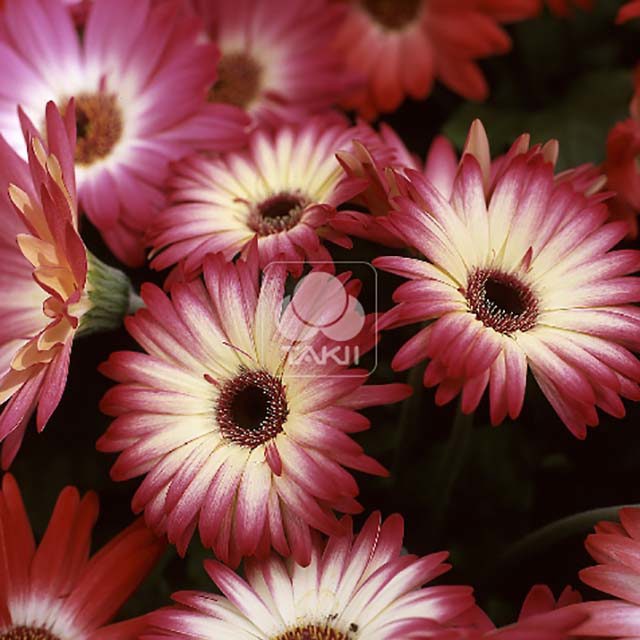
Gerbera jamesonii Royal F1 Red Bicolour Drooping Leaves
eco Drooping Leaves

Gerbera jamesonii Royal F1 Red Bicolour – Drooping Leaves

Why does your Gerbera jamesonii Royal F1 Red Bicolour have drooping leaves? Diagnose the cause and fix it with our step-by-step guide.

search Possible Causes

error

Overwatering and Root Rot

Excessive moisture in the substrate leads to anaerobic conditions, causing Pythium or Phytophthora species to attack the roots. This prevents the Transvaal Daisy from transporting water upwards, resulting in sudden leaf drooping despite moist soil.

Very Common
lightbulb
How to confirm: Gently lift the plant to check if the roots are dark brown and slimy rather than firm and white.
build How to fix it
shopping_cart Recommended Products
1 Immediately remove the plant from its current container and trim away any mushy, black, or foul-smelling roots caused by rot.
2 Repot the plant in a fresh, well-draining medium and ensure the new pot has adequate drainage to prevent future water accumulation.
3 Use a soil moisture meter to monitor the substrate, ensuring you only water when the top inch of soil is dry to avoid repeat overwatering.
error

Underwatering / Dehydration

Gerbera jamesonii has relatively shallow root systems that are highly sensitive to moisture fluctuations. If the soil substrate dries out completely, turgor pressure is lost, causing the leaves to wilt and droop.

Very Common
lightbulb
How to confirm: Stick your finger two inches into the soil to see if it feels bone-dry to the touch.
build How to fix it
shopping_cart Recommended Products
1 Immediately check the soil moisture level using a moisture meter to confirm the depth of dehydration.
2 Thoroughly water the plant until water drains from the bottom, ensuring the entire root ball is saturated to restore turgor pressure.
3 To prevent future dehydration, consider using a self-watering system or moisture-retaining amendments like perlite to stabilize moisture levels.
warning

Edema (Cellular Rupture)

Frequent fluctuations between waterlogged and dry conditions cause cells in the leaf tissue to swell and burst. This cellular damage weakens the structural integrity of the foliage, leading to a limp appearance.

Common
lightbulb
How to confirm: Inspect the underside of the leaves for small, raised blisters or corky spots on the leaf surface.
build How to fix it
shopping_cart Recommended Products
1 Stabilize the watering schedule to prevent the cycle of waterlogging and drying out. Use a moisture meter to ensure the soil is consistently moist but never saturated.
2 Ensure the plant is in a pot with excellent drainage and consider adding perlite to the potting mix to improve aeration and prevent water retention.
3 Check that the plant is not sitting in excess water in its saucer, which can contribute to the waterlogged conditions that trigger edema.
warning

Temperature Stress / Heat Scorch

Extreme heat or direct midday sun exposure can cause rapid transpiration rates that exceed the plant's ability to uptake water. This thermal stress causes the large, flat leaves of the Red Bicolour variety to lose turgidity.

Common
lightbulb
How to confirm: Check if the drooping occurs specifically during peak sunlight hours and recovers in the evening.
build How to fix it
shopping_cart Recommended Products
1 Move the plant to a shaded area or a location with filtered light to protect the leaves from direct midday sun and reduce transpiration rates.
2 Monitor soil moisture levels closely to ensure the plant remains hydrated during heat waves, using a moisture meter to prevent dehydration.
3 Apply a light mulch or top dressing around the base of the plant to help regulate soil temperature and retain moisture.

Other Gerbera jamesonii Royal F1 Red Bicolour problems

Your plant might also be experiencing one of these issues:

local_hospital All symptoms eco All plants with drooping leaves
favorite