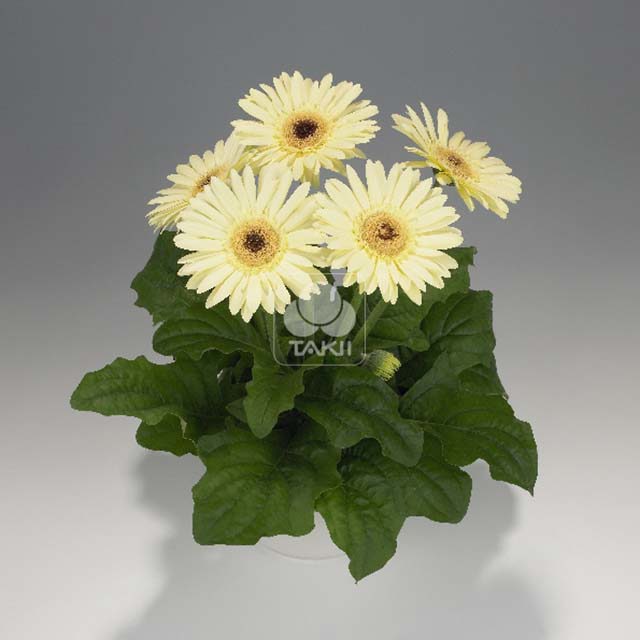
Gerbera jamesonii Vanilla 8097 Drooping Leaves
eco Drooping Leaves

Gerbera jamesonii Vanilla 8097 – Drooping Leaves

Why does your Gerbera jamesonii Vanilla 8097 have drooping leaves? Diagnose the cause and fix it with our step-by-step guide.

search Possible Causes

error

Overwatering and Root Rot

Gerberas are highly sensitive to moisture; saturated soil prevents oxygen from reaching the roots, leading to fungal pathogens like Phytophthora. This causes the vascular system to fail, resulting in limp, drooping foliage.

Very Common
lightbulb
How to confirm: Stick your finger two inches into the soil; if it feels soggy or smells sour, root rot is likely occurring.
build How to fix it
shopping_cart Recommended Products
1 Immediately remove the plant from its current container and inspect the roots; trim away any mushy, black, or foul-smelling roots caused by rot.
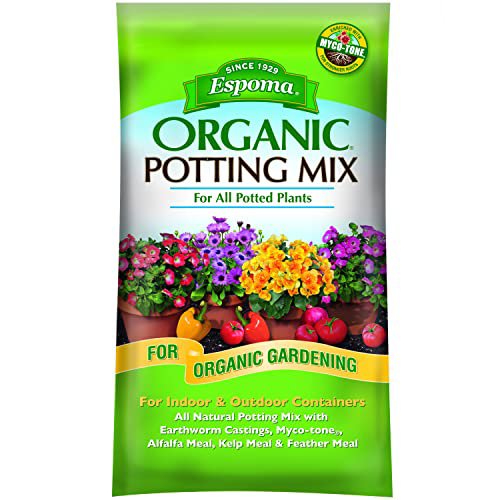
2 Repot the Gerbera in a fresh, well-draining potting mix and ensure the new container has adequate drainage to prevent future waterlogging.
3 Use a moisture meter to monitor the soil regularly, ensuring you only water when the top inch of soil is dry to avoid repeat overwatering.
error

Underwatering and Drought Stress

Gerbera daisies have shallow root systems that dry out quickly. When the plant lacks turgor pressure due to insufficient water, the leaves lose their rigidity and collapse.

Very Common
lightbulb
How to confirm: Check if the soil surface is pulling away from the edges of the pot and if the leaves feel crispy or paper-like.
build How to fix it
shopping_cart Recommended Products
1 Immediately check the soil moisture level using a moisture meter to confirm the depth of the drought stress.
2 Thoroughly water the plant until water drains from the bottom of the pot, ensuring the shallow root system is fully saturated.
3 To prevent future rapid drying, consider adding perlite to your potting mix to improve water retention and aeration.
warning

Temperature Extremes (Cold Shock)

Gerbera jamesonii prefers stable, moderate temperatures. Exposure to sudden cold drafts or temperatures below 55°F (13°C) can cause the plant's metabolism to slow, leading to temporary wilting.

Common
lightbulb
How to confirm: Observe if the drooping coincides with a recent move to a colder windowsill or a drop in nighttime room temperature.
build How to fix it
shopping_cart Recommended Products
1 Move the plant to a stable, draft-free environment with temperatures consistently between 60°F and 75°F to help the plant recover from the shock.
2 Check the soil moisture with a meter to ensure the cold shock hasn't led to overwatering, as cold, wet soil can cause root rot.
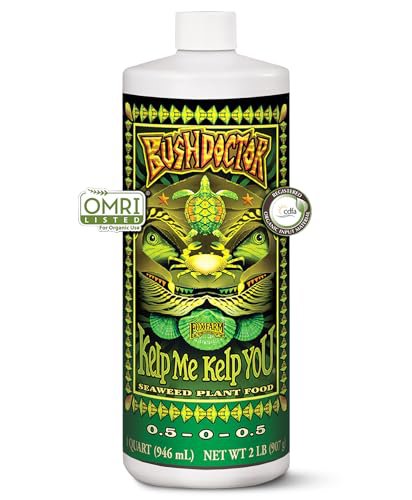
3 Apply a diluted dose of liquid seaweed fertilizer to help stimulate root recovery and reduce environmental stress.
warning

Nutrient Deficiency (Nitrogen)

A lack of available nitrogen prevents the production of chlorophyll and structural cell components. This often manifests as drooping accompanied by a distinct yellowing (chlorosis) of older leaves.

Common
lightbulb
How to confirm: Inspect the color of the oldest leaves; if they are pale yellow while the rest of the plant droops, consider a balanced liquid fertilizer.
build How to fix it
shopping_cart Recommended Products
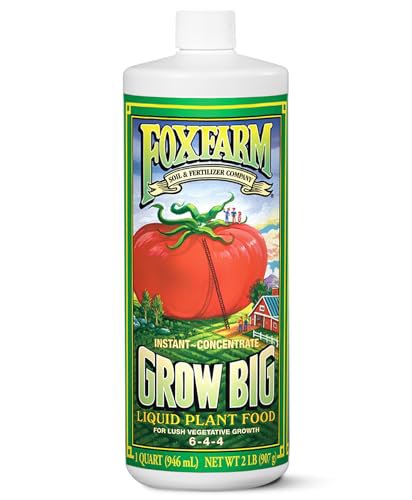
1 Apply a nitrogen-rich liquid fertilizer to boost chlorophyll production and restore leaf structure.
2 Monitor soil moisture levels with a moisture meter to ensure the drooping isn't actually caused by underwatering.
3 Ensure the plant is receiving adequate light, as insufficient light can exacerbate the appearance of nutrient-related drooping.

Other Gerbera jamesonii Vanilla 8097 problems

Your plant might also be experiencing one of these issues:

local_hospital All symptoms eco All plants with drooping leaves
favorite