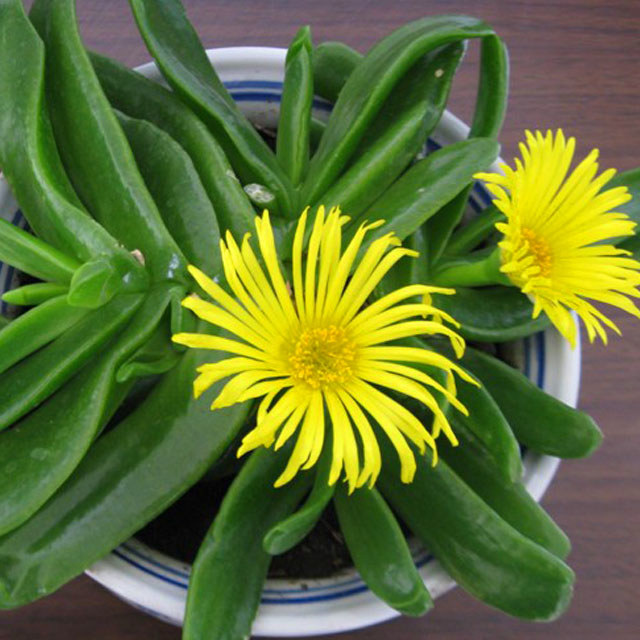
Glottiphyllum uncatum (Aizoaceae) White Cottony Spots
eco White Cottony Spots

Glottiphyllum uncatum (Aizoaceae) – White Cottony Spots

Why does your Glottiphyllum uncatum (Aizoaceae) have white cottony spots? Diagnose the cause and fix it with our step-by-step guide.

search Possible Causes

error

Mealybugs (Pseudococcidae)

This is the most common cause of white cottony masses on Glottiphyllum. These sap-sucking insects congregate in the crevices between leaf bases and secrete a waxy, white filament to protect themselves while feeding on the plant's moisture.

Very Common
lightbulb
How to confirm: Use a toothpick to gently probe the white spots; if they move or feel slightly 'squishy' rather than like dust, it is likely mealybugs.
build How to fix it
shopping_cart Recommended Products
1 Isolate the plant immediately to prevent the mealybugs from spreading to other greenery and treat the infestation with an organic insecticide spray.
2 Use a cotton swab dipped in isopropyl alcohol to manually remove the visible white cottony masses from the crevices of the leaf bases.
3 Monitor the soil moisture levels closely, as mealybugs thrive on stressed plants; use a moisture meter to ensure the substrate remains appropriately dry for this succulent.
warning

Cottony Scale

Certain species of scale insects produce a white, cotton-like wax covering. They attach themselves to the succulent leaves of Aizoaceae, causing localized swelling or discoloration as they drain nutrients.

Common
lightbulb
How to confirm: Inspect the underside of the leaves for small, immobile bumps underneath the white fuzz.
build How to fix it
shopping_cart Recommended Products
1 Treat the plant with an organic insecticide/miticide spray to eliminate the scale insects and their waxy coverings.
2 Manually remove visible cottony clusters using a cotton swab dipped in isopropyl alcohol to prevent further nutrient drainage.
3 Improve air circulation around the succulent to create a less humid environment that is less hospitable to pests.
warning

Powdery Mildew (Erysiphales)

While less common in succulents than in foliage plants, high humidity around the base of Glottiphyllum can trigger fungal growth. This appears as a surface film that looks more like a dusting of flour rather than distinct cottony clumps.

Common
lightbulb
How to confirm: Check if the white patches can be easily wiped off with a damp cloth and if they appear as a thin coating rather than thick clusters.
build How to fix it
shopping_cart Recommended Products
1 Apply an organic fungicide to the affected areas to eliminate the powdery mildew spores and prevent further spread.
2 Improve air circulation around the base of the plant and reduce humidity levels to create an environment less hospitable to fungal growth.
3 Ensure the plant is in a well-draining medium to prevent moisture retention at the base of the Glottiphyllum.
local_hospital All symptoms eco All plants with white cottony spots
favorite