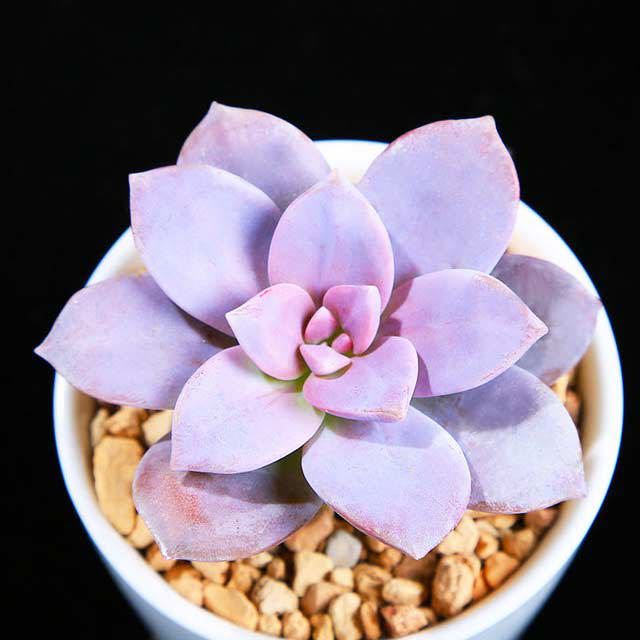
Graptopetalum pentandrum subsp. superbum Sudden Leaf Drop
eco Sudden Leaf Drop

Graptopetalum pentandrum subsp. superbum – Sudden Leaf Drop

Why does your Graptopetalum pentandrum subsp. superbum have sudden leaf drop? Diagnose the cause and fix it with our step-by-step guide.

search Possible Causes

error

Overwatering and Root Rot

As a succulent, Ghost Plants are highly susceptible to fungal pathogens like Phytophthora when soil remains saturated. Excessive moisture causes root tissues to decay, breaking the plant's ability to transport water to the leaves, resulting in rapid leaf abscission.

Very Common
lightbulb
How to confirm: Gently tug on a stem to see if it lifts out of the soil easily; mushy, black roots indicate rot.
build How to fix it
shopping_cart Recommended Products
1 Immediately remove the plant from its current container and inspect the roots; trim away any mushy, black, or foul-smelling decayed roots using sterilized tools.
2 Repot the Ghost Plant in a well-draining, gritty substrate specifically designed for succulents to prevent future water retention.
3 Use a moisture meter to monitor the soil, ensuring you only water when the medium is completely dry to avoid repeating the overwatering cycle.
error

Temperature Shock or Frost Damage

Graptopetalum species are sensitive to extreme temperature fluctuations. Exposure to temperatures near or below freezing causes cell walls in the fleshy leaves to rupture, leading to rapid wilting and leaf drop.

Very Common
lightbulb
How to confirm: Check for translucent, water-soaked, or blackened patches on the remaining leaves.
build How to fix it
shopping_cart Recommended Products
1 Immediately move the plant to a stable, frost-free environment with consistent temperatures to prevent further cell rupture.
2 Check the soil moisture levels using a moisture meter to ensure the plant is not sitting in water, as frost-damaged tissue is highly susceptible to rot.
3 Prune away any mushy or blackened leaves that have been destroyed by the frost to prevent fungal growth.
warning

Pest Infestation (Mealybugs)

Mealybugs feed on the sap of the Ghost Plant, secreting honeydew and injecting toxins that stress the plant. Severe infestations can cause the plant to shed leaves as it loses vital nutrients and moisture.

Common
lightbulb
How to confirm: Inspect the leaf axils and crevices for small, white, cottony clusters.
build How to fix it
shopping_cart Recommended Products
1 Isolate the plant immediately to prevent the spread of mealybugs to other greenery and treat the infestation with an organic insecticide spray.
2 Carefully inspect the leaf axils and crevices for white, cottony residue and use a cotton swab dipped in alcohol to remove visible pests.
3 Prune away any heavily infested or rotting leaves to reduce the pest population and prevent further nutrient loss.
warning

Nutrient Deficiency or Soil Depletion

While slower than rot, a lack of essential micronutrients in well-draining succulent soil can weaken the structural integrity of the leaf attachments. Over time, this leads to leaves dropping at the slightest touch.

Common
lightbulb
How to confirm: Observe if the remaining leaves show signs of chlorosis (yellowing) or stunted growth patterns.
build How to fix it
shopping_cart Recommended Products
1 Check the soil moisture levels using a moisture meter to ensure the leaf drop isn't actually caused by overwatering or root rot.
2 Amend the existing soil with a balanced organic fertilizer to replenish depleted micronutrients and strengthen leaf attachments.
3 Repot the Ghost Plant into a fresh, well-draining succulent mix containing perlite to improve aeration and nutrient availability.

Other Graptopetalum pentandrum subsp. superbum problems

Your plant might also be experiencing one of these issues:

local_hospital All symptoms eco All plants with sudden leaf drop
favorite