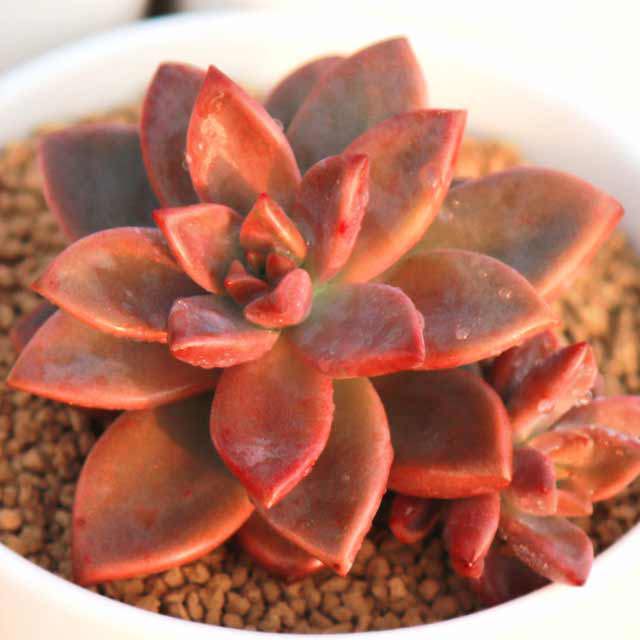
Graptosedum Bronze Sudden Leaf Drop
eco Sudden Leaf Drop

Graptosedum Bronze – Sudden Leaf Drop

Why does your Graptosedum Bronze have sudden leaf drop? Diagnose the cause and fix it with our step-by-step guide.

search Possible Causes

error

Overwatering and Root Rot

Graptosedum is a succulent that requires well-draining soil; excessive moisture causes the roots to suffocate and rot, leading to a sudden detachment of leaves from the stem. This is the most common cause of sudden leaf drop in Bronze Queen.

Very Common
lightbulb
How to confirm: Gently tug on the remaining leaves; if they slide off easily and the base of the stem feels mushy, it is likely root rot.
build How to fix it
shopping_cart Recommended Products
1 Immediately remove the plant from its current container and inspect the roots; trim away any mushy, black, or foul-smelling roots using sterilized tools.
2 Repot the succulent in a fresh, highly porous substrate to ensure rapid drainage and prevent future moisture retention.
3 Use a moisture meter to monitor the soil and ensure you only water when the medium is completely dry to the touch.
error

Temperature Shock (Cold Stress)

As a succulent, Graptosedum Bronze is sensitive to frost and temperatures below 50°F (10°C). Sudden drops in temperature cause cell walls to rupture, resulting in translucent leaves that drop rapidly.

Very Common
lightbulb
How to confirm: Check if the leaves feel limp or look water-soaked/translucent before falling.
build How to fix it
shopping_cart Recommended Products
1 Immediately move the plant to a warmer, sheltered location indoors or a greenhouse to stabilize the temperature above 50°F.
2 Check the soil moisture with a meter to ensure the cold hasn't caused water retention issues; avoid overwatering while the plant is in shock.
3 Apply a diluted dose of liquid seaweed fertilizer to help the plant recover from environmental stress and promote root health.
warning

Extreme Drought Stress

While drought-tolerant, a complete lack of moisture causes the plant to shed its lower leaves as a survival mechanism to reduce transpiration. This is often accompanied by significant shriveling of the remaining foliage.

Common
lightbulb
How to confirm: Check the soil depth; if it is bone dry several inches down and the stems look wrinkled, the plant is dehydrated.
build How to fix it
shopping_cart Recommended Products
1 Immediately check the soil moisture level using a probe to determine if the root ball is completely desiccated.
2 Provide a deep, thorough watering to rehydrate the soil and root system, ensuring water reaches the bottom of the pot.
3 To prevent future drought stress, monitor soil consistency regularly and consider adding perlite to your potting mix to improve moisture retention.
warning

Pest Infestation (Mealybugs)

Sap-sucking insects like mealybugs can weaken the plant's structural integrity by draining nutrients from the leaf nodes. Severe infestations can cause leaves to lose their connection to the stem and drop.

Common
lightbulb
How to confirm: Inspect the crevices where the leaves meet the stem for small, white, cottony masses.
build How to fix it
shopping_cart Recommended Products
1 Inspect the leaf nodes and crevices for white, cottony clusters of mealybugs and treat the infestation with an organic insecticide spray.
2 Remove any heavily infested or dead leaves to prevent the pests from spreading to healthy parts of the plant.
3 Monitor soil moisture levels using a moisture meter to ensure the plant is not also experiencing stress from overwatering, which can exacerbate leaf drop.

Other Graptosedum Bronze problems

Your plant might also be experiencing one of these issues:

local_hospital All symptoms eco All plants with sudden leaf drop
favorite