Graptoveria Debbie Sudden Leaf Drop
eco Sudden Leaf Drop

Graptoveria Debbie – Sudden Leaf Drop

Why does your Graptoveria Debbie have sudden leaf drop? Diagnose the cause and fix it with our step-by-step guide.

search Possible Causes

error

Overwatering and Root Rot

Excessive moisture in the substrate causes anaerobic conditions, leading to fungal pathogens like Phytophthora that decay the roots. As the root system fails, the plant can no longer support its fleshy leaves, causing them to detach easily.

Very Common
lightbulb
How to confirm: Gently tug a leaf; if it pops off with zero resistance and the base of the stem feels dark or mushy, it is likely rot.
build How to fix it
shopping_cart Recommended Products
1 Immediately remove the plant from its current container and trim away any mushy, black, or foul-smelling roots using sterilized tools.
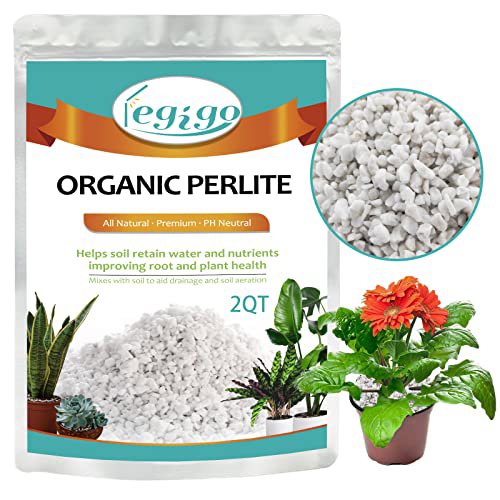
2 Repot the Graptoveria in a well-draining, gritty substrate specifically designed for succulents to prevent future water retention.
3 Use a moisture meter to monitor the substrate, ensuring you only water when the soil is completely dry to avoid repeat anaerobic conditions.
error

Temperature Shock

Graptoveria are tender succulents that cannot tolerate frost or sudden cold drafts. Rapid drops in temperature trigger a stress response where the plant sheds leaves to conserve energy and moisture.

Very Common
lightbulb
How to confirm: Check if the leaf drop coincided with a recent cold snap or if the plant was moved near an uninsulated window.
build How to fix it
shopping_cart Recommended Products
1 Immediately move the plant to a stable, warm environment away from cold drafts, windows, or air conditioning vents to prevent further temperature fluctuations.
2 Monitor the soil moisture closely using a moisture meter to ensure the plant is not being overwatered while in its stressed state.
3 Avoid applying fertilizer until the plant shows new growth and has stabilized in its new temperature zone.
warning

Pest Infestation (Mealybugs)

Small, white, cottony insects feed on the sap of the leaves, weakening the connection between the leaf and the stem. This nutritional depletion causes the plant to shed foliage prematurely.

Common
lightbulb
How to confirm: Inspect the leaf axils and the underside of the leaves for tiny white, waxy clusters.
build How to fix it
shopping_cart Recommended Products
1 Isolate the plant immediately and treat the infestation with an organic insecticide to kill existing mealybugs and larvae.
2 Carefully inspect the leaf axils and crevices for white cottony residue, and use a cotton swab dipped in alcohol to remove visible pests.
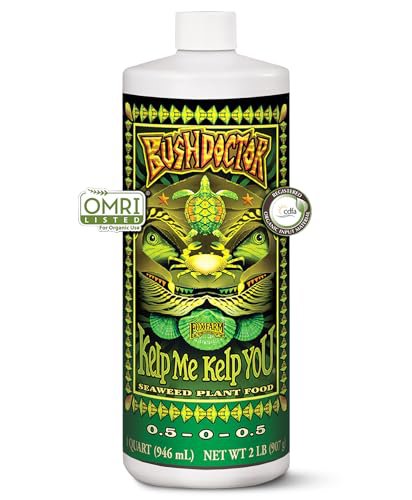
3 Apply a liquid seaweed fertilizer to help the plant recover from the nutritional depletion caused by the sap-sucking insects.
warning

Improper Light Levels

A sudden move from bright, direct light to deep shade causes the plant to undergo etiolation and leaf shedding as it attempts to adapt its metabolic rate. While less common for sudden drop, extreme light fluctuations can trigger stress.

Common
lightbulb
How to confirm: Observe if the remaining leaves are stretching or becoming pale and thin compared to their usual plump state.
build How to fix it
shopping_cart Recommended Products
1 Gradually transition your Graptoveria to a brighter location with plenty of indirect sunlight to prevent further stress from light fluctuations.
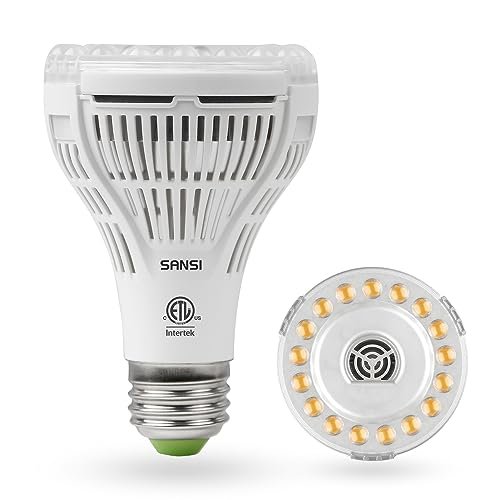
2 Supplement with a full-spectrum grow light to stabilize the plant's metabolic rate and prevent etiolation during the transition.
3 Monitor the soil moisture closely using a moisture meter to ensure the plant is not also experiencing root stress from the change in environment.

Other Graptoveria Debbie problems

Your plant might also be experiencing one of these issues:

local_hospital All symptoms eco All plants with sudden leaf drop
favorite