Greenovia aizoon Drooping Leaves
eco Drooping Leaves

Greenovia aizoon – Drooping Leaves

Why does your Greenovia aizoon have drooping leaves? Diagnose the cause and fix it with our step-by-step guide.

search Possible Causes

error

Underwatering and Low Humidity

As a species native to much warmer, more humid environments, Greenovia aizoon is highly sensitive to dry air. When soil moisture levels drop too low, the plant loses turgor pressure in its fleshy leaves, causing them to wilt or droop.

Very Common
lightbulb
How to confirm: Check if the soil is bone-dry and if the leaf surfaces feel soft or limp to the touch.
build How to fix it
shopping_cart Recommended Products
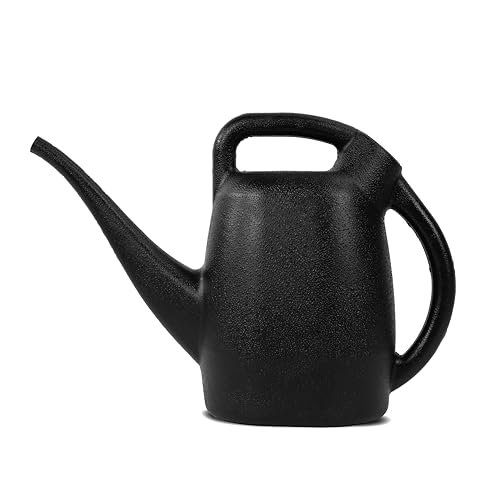
1 Immediately check the soil moisture level using a probe to determine the depth of dehydration.
2 Thoroughly soak the soil with water, ensuring the medium is fully saturated to restore turgor pressure to the leaves.
3 Increase ambient humidity around the plant by using a pebble tray or a fine misting spray bottle to prevent further wilting.
error

Root Rot due to Overwatering

While they like moisture, Greenovia lacks significant storage organs for prolonged waterlogging. Excessive moisture in the substrate leads to fungal decay of the roots, preventing them from transporting water to the leaves despite wet soil.

Very Common
lightbulb
How to confirm: Inspect the roots; healthy roots should be firm, while rot will appear brown, slimy, and emit a foul odor.
build How to fix it
shopping_cart Recommended Products
1 Immediately remove the plant from its current container and inspect the roots for mushy, dark, or foul-smelling decay; prune away any rotted sections using sterilized tools.
2 Repot the plant in a fresh, well-draining substrate and ensure the new container has adequate drainage to prevent future waterlogging.
3 Use a moisture meter to monitor the soil regularly, ensuring you only water when the top layer of substrate has significantly dried out.
warning

Temperature Stress (Cold Shock)

Greenovia aizoon is a tender succulent that cannot tolerate frost or sudden temperature drops. Cold temperatures can cause the physiological processes in the leaves to slow down, resulting in visible drooping and potential blackening.

Common
lightbulb
How to confirm: Monitor recent exposure to drafts or nighttime temperatures below 15°C (60°F).
build How to fix it
shopping_cart Recommended Products
1 Immediately move the plant to a warmer, stable environment and protect it from all drafts or sudden temperature fluctuations.
2 Monitor the soil moisture closely to ensure the plant is not being overwatered while its metabolism is slowed by the cold.
3 If the plant shows signs of recovery, apply a diluted liquid seaweed fertilizer to help boost nutrient uptake and reduce environmental stress.
warning

Nutrient Deficiency (Nitrogen)

In prolonged periods of cultivation in small pots, the depletion of nitrogen in the growing medium can cause a loss of vigor and drooping. This is often accompanied by a paling or yellowing of the older leaves.

Common
lightbulb
How to confirm: Observe if the drooping is accompanied by chlorosis (yellowing) starting from the oldest leaves near the base.
build How to fix it
shopping_cart Recommended Products
1 Apply a nitrogen-rich liquid fertilizer to replenish the depleted nutrients in the growing medium.
2 Check the soil moisture levels using a moisture meter to ensure the drooping isn't actually caused by underwatering.
3 Repot the plant into a larger container with fresh, nutrient-dense potting soil to provide more room for root expansion and long-term nutrition.

Other Greenovia aizoon problems

Your plant might also be experiencing one of these issues:

local_hospital All symptoms eco All plants with drooping leaves
favorite