Guzmania lingulata Red Star White Cottony Spots
eco White Cottony Spots

Guzmania lingulata Red Star – White Cottony Spots

Why does your Guzmania lingulata Red Star have white cottony spots? Diagnose the cause and fix it with our step-by-step guide.

pets Pet Friendly

search Possible Causes

error

Mealybug Infestation

Mealybugs are small, soft-bodied insects that secrete a white, waxy, cotton-like substance to protect themselves. In Guzmania, they often hide in the tight crevices of the leaf bases and near the central bloom (inflorescence) where humidity is higher.

Very Common
lightbulb
How to confirm: Use a cotton swab dipped in rubbing alcohol to dab the white spots; if the white material dissolves and reveals small insect bodies, it is mealybugs.
build How to fix it
shopping_cart Recommended Products
1 Isolate the plant immediately to prevent the mealybugs from spreading to your other houseplants.
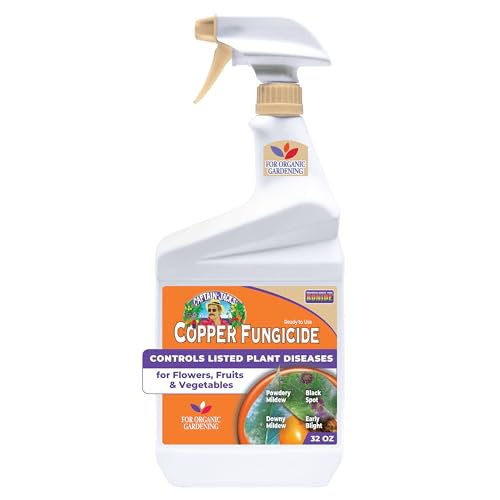
2 Treat the infestation by spraying the plant with an organic insecticide to kill the insects and their waxy coating.
3 Use a cotton swab dipped in isopropyl alcohol to manually remove any visible white cottony clusters from the leaf bases and bloom.
warning

Scale Insects

Certain types of scale can appear as fuzzy or cottony growths, particularly when they are in their early mobile stages or if secondary fungal growth has developed around the insect's secretions. These pests suck sap from the Guzmania leaves, leading to yellowing.

Common
lightbulb
How to confirm: Look for small, hard bumps underneath the leaves or at the base of the plant that do not wipe away easily like cotton.
build How to fix it
shopping_cart Recommended Products
1 Treat the plant with an organic insecticide spray to eliminate the scale insects and any secondary fungal growth.
2 Carefully wipe the leaves and stems with a cotton swab dipped in isopropyl alcohol to manually remove visible scale insects and cottony secretions.
3 Isolate the Guzmania from other houseplants to prevent the scale insects from spreading to healthy plants.
warning

Botrytis (Gray Mold)

High humidity and poor air circulation around the central 'Red Star' bloom can trigger Botrytis. While typically gray, early stages or secondary fungal colonization can appear as fuzzy, white patches on decaying organic matter near the bracts.

Common
lightbulb
How to confirm: Check if the white spots are accompanied by soft, mushy, or browning tissue on the red inflorescence.
build How to fix it
shopping_cart Recommended Products
1 Prune and remove any decaying or fuzzy organic matter from the central bloom to prevent the mold from spreading to healthy tissue.
2 Apply a fungicide to the affected area to control the fungal growth and protect the remaining bracts.
3 Improve air circulation around the plant and reduce humidity levels to create an environment less conducive to Botrytis development.
local_hospital All symptoms eco All plants with white cottony spots
favorite