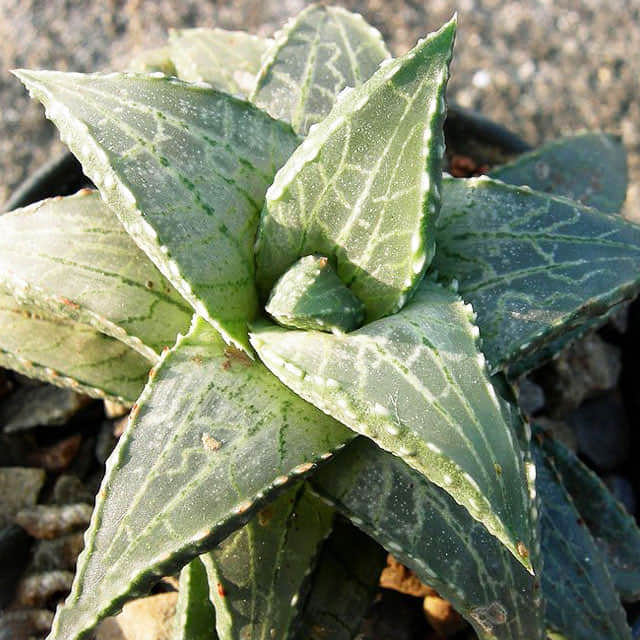
Haworthia tessellata White Cottony Spots
eco White Cottony Spots

Haworthia tessellata – White Cottony Spots

Why does your Haworthia tessellata have white cottony spots? Diagnose the cause and fix it with our step-by-step guide.

pets Pet Friendly

search Possible Causes

error

Mealybugs

Mealybugs are small, sap-sucking insects that secrete a white, waxy, cotton-like substance to protect themselves. They often cluster in the crevices between the fleshy leaves of Haworthia tessellata, causing leaf yellowing and potential rot.

Very Common
lightbulb
How to confirm: Use a soft paintbrush with isopropyl alcohol to dab the spots; if they dissolve and the insect moves, it is mealybugs.
build How to fix it
shopping_cart Recommended Products
1 Isolate the plant immediately to prevent the spread of mealybugs to other houseplants.
2 Treat the infestation by spraying the plant with an organic insecticide or neem oil to kill the insects and their waxy coating.
3 Use a cotton swab dipped in isopropyl alcohol to manually remove visible white cottony clusters from the leaf crevices.
warning

Cottony Scale

Similar to mealybugs, these pests produce a white filamentous covering. They attach firmly to the base of the leaves and can cause the Haworthia to lose its characteristic tessellated pattern due to stress.

Common
lightbulb
How to confirm: Check if the white spots are firmly attached to the leaf surface rather than loose like dust.
build How to fix it
shopping_cart Recommended Products
1 Isolate the plant immediately to prevent the spread of scale to other houseplants and treat the visible white spots with an organic insecticide spray.
2 Use a cotton swab dipped in isopropyl alcohol to manually remove the scale insects from the base of the leaves to prevent further damage to the plant's pattern.
3 Monitor the soil moisture levels to ensure the plant is not overly damp, as excess moisture can encourage pest and fungal issues.
warning

Fungal Mold (Sclerotinia or similar)

High humidity and poor airflow can cause fungal mycelium to appear as white, fuzzy patches on the plant tissue. In Haworthia, this often accompanies soft, translucent spots on the leaves.

Common
lightbulb
How to confirm: Check if the white fuzz is accompanied by soft, mushy, or translucent areas on the leaf flesh.
build How to fix it
shopping_cart Recommended Products
1 Apply an organic fungicide to the affected areas to stop the spread of fungal mycelium.
2 Improve air circulation around the plant and reduce humidity by avoiding frequent misting.
3 Prune away any heavily infected or soft, translucent leaves using sterilized tools to prevent further rot.
local_hospital All symptoms eco All plants with white cottony spots
favorite


