Why does your Hedera canariensis have tiny black flies? Diagnose the cause and fix it with our step-by-step guide.
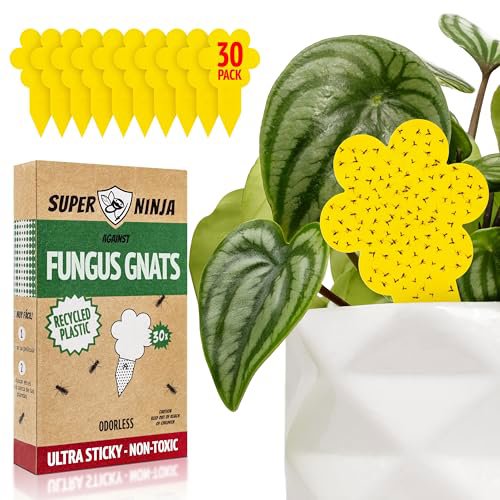
The tiny black flies are likely fungus gnats whose larvae thrive in the moist, organic-rich soil preferred by Hedera canariensis. The adults emerge to lay eggs in the top layer of substrate, while larvae feed on decaying matter and potentially fine root hairs.
Constant moisture in the potting medium creates an ideal breeding ground for gnats and can lead to root suffocation in this species. Hedera canariensis prefers well-draining soil, and high humidity at the soil surface attracts pests.
Accumulated dead leaves or decomposing peat moss within the pot provide the necessary food source for the life cycle of black flies. As organic matter breaks down, it attracts scavengers and pests to the plant's root zone.
Your plant might also be experiencing one of these issues:

 English
 Italiano