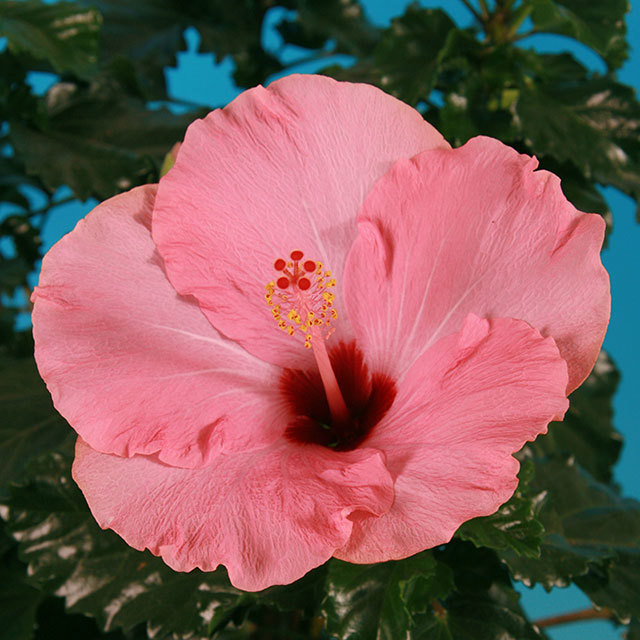
Hibiscus rosa sinensis Cheerleader Baby Pink Leggy Stems
eco Leggy Stems

Hibiscus rosa sinensis Cheerleader Baby Pink – Leggy Stems

Why does your Hibiscus rosa sinensis Cheerleader Baby Pink have leggy stems? Diagnose the cause and fix it with our step-by-step guide.

pets Pet Friendly

search Possible Causes

error

Insufficient Light Intensity

Tropical hibiscus varieties like 'Cheerleader Baby Pink' require high levels of direct sunlight to maintain compact, bushy growth. When light is low, the plant undergoes etiolation, stretching its internodes toward the nearest light source to maximize photosynthesis.

Very Common
lightbulb
How to confirm: Observe if the stems are leaning towards a window or if the distance between leaves (internodes) has significantly increased recently.
build How to fix it
shopping_cart Recommended Products
1 Move your hibiscus to a location that receives at least 6 to 8 hours of direct sunlight daily to stop the stems from stretching.
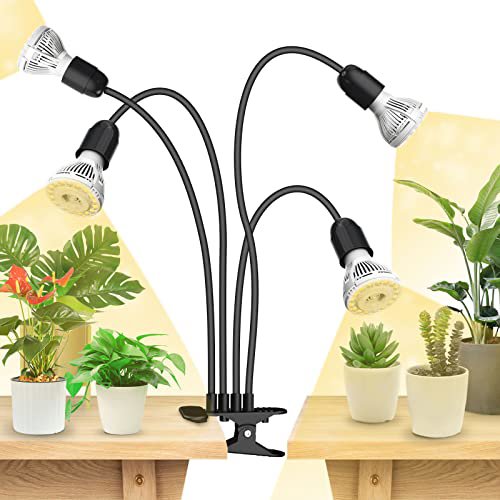
2 Supplement with a high-intensity grow light to provide the necessary spectrum and intensity for compact growth.
3 Prune the leggy, stretched stems back to a node to encourage new, bushier growth from the base.
warning

Excessive Nitrogen Fertilization

An imbalance in fertilizer, specifically an overabundance of nitrogen relative to phosphorus and potassium, promotes rapid, soft vegetative growth. This results in long, weak stems that lack the structural integrity needed for heavy tropical blooms.

Common
lightbulb
How to confirm: Check your fertilizer label for a high first number (N) and look for dark green foliage accompanied by rapid stem elongation.
build How to fix it
shopping_cart Recommended Products
1 Flush the soil with plenty of fresh water to leach out excess nitrogen salts from the root zone.
2 Transition to a fertilizer with a higher phosphorus and potassium ratio to support structural strength and blooming, such as FoxFarm Tiger Bloom.
3 Prune the leggy, soft growth using sharp shears to encourage bushier development and remove weak stems.
warning

Lack of Pruning/Deadheading

Without regular pinching of terminal buds or removal of spent blooms, the plant's apical dominance allows a single main stem to grow unchecked. This prevents the development of lateral branching which is essential for a full, dwarf-like habit in 'Cheerleader' cultivars.

Common
lightbulb
How to confirm: Examine if there are any side shoots attempting to emerge or if the plant has only one dominant upward-growing stalk.
build How to fix it
shopping_cart Recommended Products
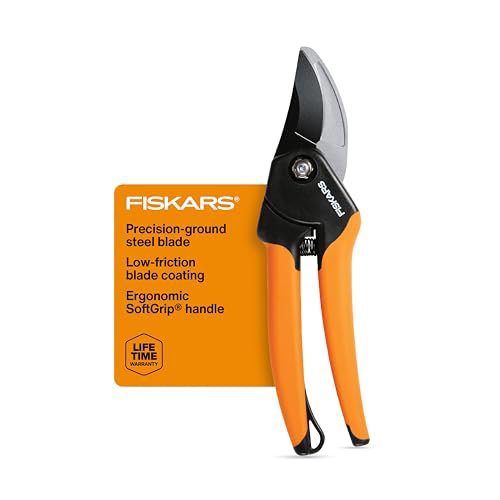
1 Use sharp pruning shears to prune back the long, leggy stems, cutting just above a node to encourage new lateral bud growth.
2 Regularly deadhead spent blooms to redirect the plant's energy from seed production toward developing new branches and foliage.
3 Ensure the plant receives adequate bright, indirect light to prevent further stretching and promote a bushier habit.
warning

Temperature Fluctuations

Drastic drops in nighttime temperatures can stress tropical hibiscus, causing physiological changes that disrupt steady growth cycles. This stress often manifests as uneven growth spurts followed by periods of spindly development.

Common
lightbulb
How to confirm: Review recent temperature logs to see if the plant was exposed to drafts or nighttime temperatures below 60°F (15°C).
build How to fix it
shopping_cart Recommended Products
1 Stabilize the environment by moving the plant to a location with consistent warmth and away from cold drafts or air conditioning vents.
2 Supplement with full-spectrum lighting to encourage more compact, sturdy growth and prevent further stretching.
3 Apply a balanced liquid fertilizer to provide the nutrients necessary for strengthening new stem development.

Other Hibiscus rosa sinensis Cheerleader Baby Pink problems

Your plant might also be experiencing one of these issues:

local_hospital All symptoms eco All plants with leggy stems
favorite