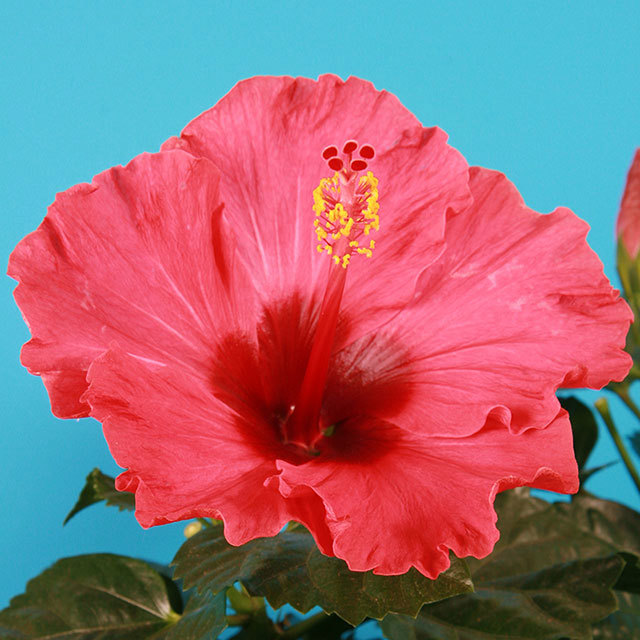
Hibiscus rosa sinensis Cheerleader Light Red Tiny Black Flies
eco Tiny Black Flies

Hibiscus rosa sinensis Cheerleader Light Red – Tiny Black Flies

Why does your Hibiscus rosa sinensis Cheerleader Light Red have tiny black flies? Diagnose the cause and fix it with our step-by-step guide.

search Possible Causes

error

Fungus Gnats

The tiny black flies are likely the adult stage of fungus gnats, which thrive in the moist organic matter of Hibiscus potting soil. Their larvae feed on decaying organic material and can damage delicate feeder roots of the Cheerleader hibiscus.

Very Common
lightbulb
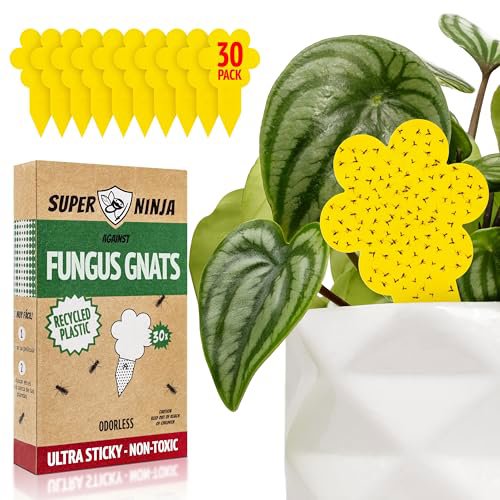
How to confirm: Place a yellow sticky trap near the base of the plant to see if small black flies are captured.
build How to fix it
shopping_cart Recommended Products
1 Deploy yellow sticky traps to capture the adult flying gnats and break the reproductive cycle.
2 Allow the top inch of soil to dry out completely between waterings to make the environment less hospitable for larvae.
3 Apply a microbial-based soil drench to target the larvae living in the organic matter.
error

Soil Moisture Imbalance

Frequent overwatering or lack of drainage in Hibiscus pots creates the perfect breeding ground for moisture-loving pests. Excessive humidity at the soil surface encourages adult flies to lay eggs in the top layer of substrate.

Very Common
lightbulb
How to confirm: Insert your finger two inches into the soil to check if it remains saturated for too long after watering.
build How to fix it
shopping_cart Recommended Products
1 Apply an organic insecticide to eliminate the adult flies and larvae at the soil surface.
2 Use a moisture meter to monitor the soil and ensure the top inch of substrate is dry before watering again to disrupt the breeding cycle.
3 Improve drainage by adding horticultural perlite to the potting mix to prevent the soil from staying too saturated.
warning

Nutrient Deficiency (Secondary Factor)

While not the cause of the flies, a lack of nitrogen or magnesium can weaken the Hibiscus's immune system, making it more susceptible to pest infestations. Weakened plant tissues release chemical signals that attract various flying insects.

Common
lightbulb
How to confirm: Inspect the older leaves for yellowing (chlorosis) between the veins.
build How to fix it
shopping_cart Recommended Products
1 Identify and eliminate the tiny black flies (likely fungus gnats) by using yellow sticky traps to capture adults and reducing soil moisture to disrupt the life cycle.
2 Apply a nitrogen-rich fertilizer to strengthen the plant's immune system and repair weakened tissues, making it less attractive to pests.
3 Monitor soil moisture levels regularly with a moisture meter to ensure the soil is not staying too wet, which prevents further fungus gnat breeding.

Other Hibiscus rosa sinensis Cheerleader Light Red problems

Your plant might also be experiencing one of these issues:

local_hospital All symptoms eco All plants with tiny black flies
favorite