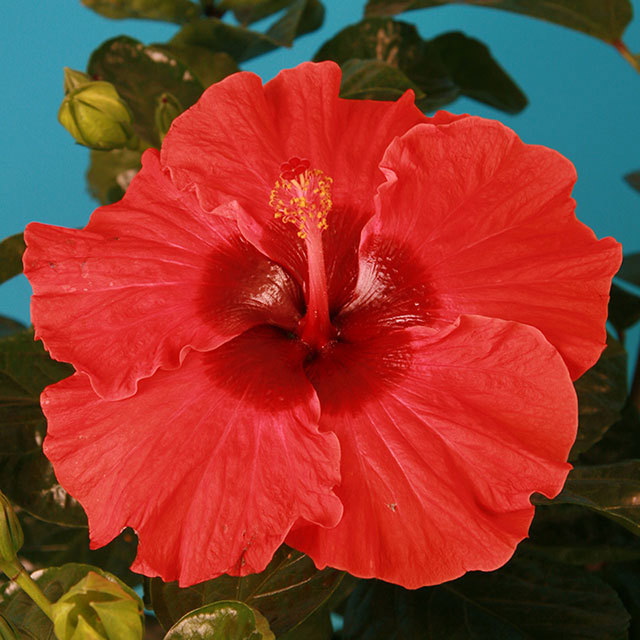
Hibiscus rosa sinensis Cheerleader Red Dark Eye Sudden Leaf Drop
eco Sudden Leaf Drop

Hibiscus rosa sinensis Cheerleader Red Dark Eye – Sudden Leaf Drop

Why does your Hibiscus rosa sinensis Cheerleader Red Dark Eye have sudden leaf drop? Diagnose the cause and fix it with our step-by-step guide.

pets Pet Friendly

search Possible Causes

error

Temperature Stress (Cold Shock)

Hibiscus rosa sinensis is a tropical species highly sensitive to temperatures below 50°F (10°C). Sudden drops in night temperature or exposure to drafts can cause the plant to shed leaves rapidly as a survival mechanism.

Very Common
lightbulb
How to confirm: Check if there has been a recent dip in nighttime temperatures or if the plant is near an air conditioning vent/drafty window.
build How to fix it
shopping_cart Recommended Products
1 Immediately move the plant to a warm, draft-free location, ensuring temperatures remain consistently above 50°F (10°C).
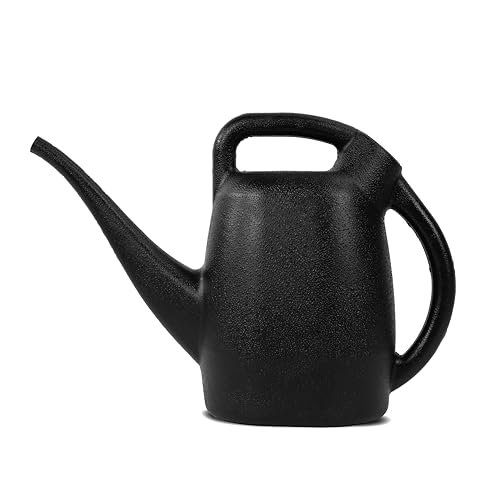
2 Monitor soil moisture closely to ensure the plant is not overwatered while in a stressed state, using a moisture meter to prevent root rot.
3 Apply a mild, microbial-based liquid fertilizer to support root zone recovery and help the plant regain strength.
error

Watering Irregularity (Drought or Waterlogging)

This cultivar requires consistent moisture; extreme drying out of the root ball or soil that remains saturated for too long can lead to physiological shock and leaf abscission. Rapid fluctuations in soil moisture levels are a primary driver of sudden drop.

Very Common
lightbulb
How to confirm: Insert your finger 2 inches into the soil to see if it is bone dry or excessively muddy/smelly.
build How to fix it
shopping_cart Recommended Products
1 Check the current soil moisture level by inserting a probe into the root ball to determine if the soil is bone-dry or waterlogged.
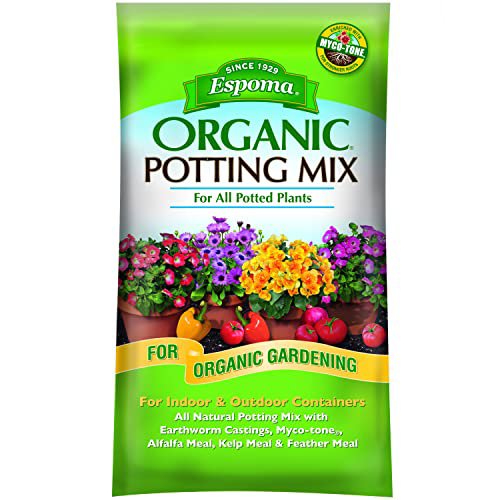
2 If the soil is overly saturated, repot the hibiscus in a well-draining medium like Espoma Organic Potting Soil Mix to prevent root rot.
3 Establish a consistent watering schedule to prevent future moisture fluctuations, ensuring the soil stays moist but not soggy.
warning

Root Rot (Phytophthora or Pythium)

Overwatering in poorly draining containers leads to fungal pathogens attacking the root system, which prevents the plant from supporting its foliage. As roots die, the plant cannot transport water to the leaves, causing them to drop.

Common
lightbulb
How to confirm: Gently lift the plant from its pot to inspect if the roots are dark, slimy, or have a foul odor.
build How to fix it
shopping_cart Recommended Products
1 Immediately inspect the roots for mushy, dark, or foul-smelling decay and prune away any dead sections using sterilized tools.
2 Repot the plant in a fresh, well-draining medium and ensure the container has adequate drainage to prevent water pooling.
3 Monitor soil moisture levels closely with a meter to ensure the substrate is allowed to dry out between waterings, preventing future overwatering.
warning

Pest Infestation (Spider Mites or Aphids)

Heavy infestations of sucking insects like Spider Mites can deplete the plant's sap reserves, causing stress-induced leaf drop. You may also see fine webbing or stippling on the leaf surfaces.

Common
lightbulb
How to confirm: Examine the undersides of the remaining leaves for tiny moving dots or fine white silk webs.
build How to fix it
shopping_cart Recommended Products
1 Identify and treat the infestation by spraying the plant with an organic insecticide or miticide to eliminate spider mites or aphids.
2 Inspect the undersides of leaves for fine webbing or small insects, and use a soft cloth to wipe away any visible pests or debris.
3 Monitor soil moisture levels to ensure the plant is not experiencing secondary stress from overwatering or underwatering during treatment.

Other Hibiscus rosa sinensis Cheerleader Red Dark Eye problems

Your plant might also be experiencing one of these issues:

local_hospital All symptoms eco All plants with sudden leaf drop
favorite