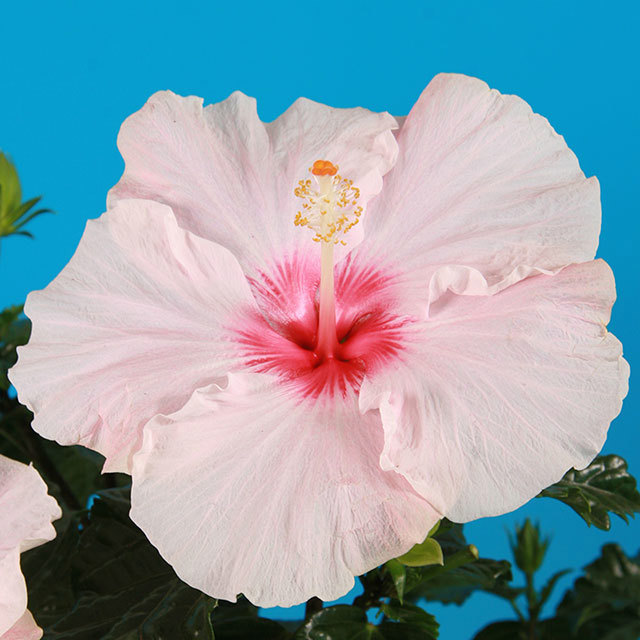
Hibiscus rosa sinensis Cheerleader White Pink Eye Brown Leaf Tips
eco Brown Leaf Tips

Hibiscus rosa sinensis Cheerleader White Pink Eye – Brown Leaf Tips

Why does your Hibiscus rosa sinensis Cheerleader White Pink Eye have brown leaf tips? Diagnose the cause and fix it with our step-by-step guide.

pets Pet Friendly

search Possible Causes

error

Salt Accumulation (Fertilizer Burn)

Hibiscus are heavy feeders, but excessive use of synthetic fertilizers causes salts to build up in the substrate. This draws moisture out of the leaf tissues through osmosis, leading to characteristic crispy brown tips.

Very Common
lightbulb
How to confirm: Check if you have recently applied a high-nitrogen fertilizer and look for white crusty deposits on the soil surface.
build How to fix it
shopping_cart Recommended Products
1 Flush the soil thoroughly with large amounts of fresh, distilled, or rainwater to leach out accumulated mineral salts from the substrate.
2 Prune away the crispy brown leaf tips using sterilized shears to prevent further aesthetic damage and promote healthy growth.
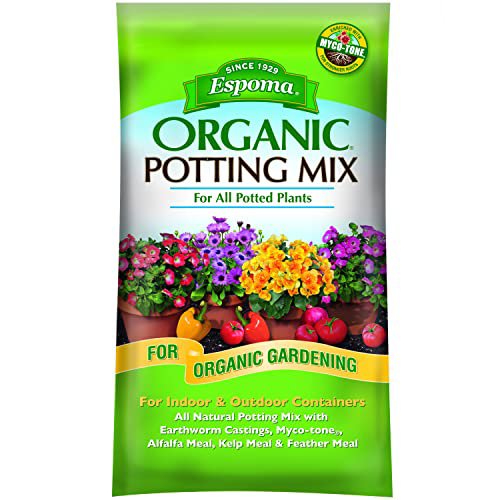
3 Repot the plant in fresh, high-quality potting soil to completely remove the salt-laden medium and provide a clean environment for root recovery.
error

Inconsistent Watering/Drought Stress

The 'Cheerleader' series requires consistent moisture to maintain its lush foliage. When the soil dries out completely, the plant sacrifices the furthest extremities of the leaves to preserve moisture in the core.

Very Common
lightbulb
How to confirm: Stick your finger two inches into the soil to see if it feels bone-dry despite regular watering schedules.
build How to fix it
shopping_cart Recommended Products
1 Check the soil moisture level immediately using a moisture meter to determine if the root zone has reached a critical drought state.
2 Establish a consistent watering schedule to ensure the soil remains moist but not waterlogged, preventing the plant from reaching extreme dry points.
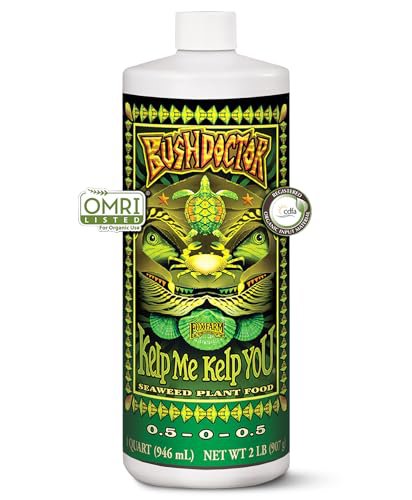
3 Apply a liquid seaweed fertilizer to help the plant recover from drought stress and boost nutrient uptake during its recovery phase.
warning

Low Humidity

As a tropical species, Hibiscus thrives in high humidity. In dry indoor environments or low-humidity climates, the transpiration rate exceeds water uptake, causing the leaf margins and tips to desiccate.

Common
lightbulb
How to confirm: Observe if the browning correlates with increased use of indoor heating or dry seasonal weather.
build How to fix it
shopping_cart Recommended Products
1 Increase local humidity around the plant by using a pebble tray or a humidifier to prevent further leaf desiccation.
2 Mist the foliage regularly with a fine spray to provide immediate moisture to the leaf surfaces.
3 Monitor soil moisture levels closely to ensure the plant is not also experiencing drought stress, which can exacerbate tip burn.
warning

Water Quality (Chlorine/Fluoride Sensitivity)

Hibiscus can be sensitive to high levels of fluoride or chlorine found in municipal tap water. These minerals accumulate at the leaf edges, causing cellular death and browning.

Common
lightbulb
How to confirm: Try using distilled or rainwater for one watering cycle to see if the progression of new leaf growth improves.
build How to fix it
shopping_cart Recommended Products
1 Switch to distilled, rainwater, or filtered water to prevent the accumulation of chlorine and fluoride in the soil.
2 Use a moisture meter to ensure you are watering only when the top inch of soil is dry, preventing mineral buildup from overwatering.
3 Gently trim the brown leaf tips with sterilized shears to improve the plant's appearance and prevent further spread of tissue death.

Other Hibiscus rosa sinensis Cheerleader White Pink Eye problems

Your plant might also be experiencing one of these issues:

local_hospital All symptoms eco All plants with brown leaf tips
favorite