Hibiscus syriacus Brown Leaf Tips
eco Brown Leaf Tips

Hibiscus syriacus – Brown Leaf Tips

Why does your Hibiscus syriacus have brown leaf tips? Diagnose the cause and fix it with our step-by-step guide.

search Possible Causes

error

Salt Accumulation (Fertilizer Burn)

Excessive use of synthetic fertilizers causes salts to build up in the soil, drawing moisture out of the leaf edges. This is particularly common in Hibiscus syriacus when high-nitrogen fertilizers are applied during heat waves.

Very Common
lightbulb
How to confirm: Check if you have recently fertilized and look for a white crusty residue on the soil surface.
build How to fix it
shopping_cart Recommended Products
1 Flush the soil thoroughly with large amounts of fresh, distilled, or rainwater to leach out accumulated mineral salts from the root zone.
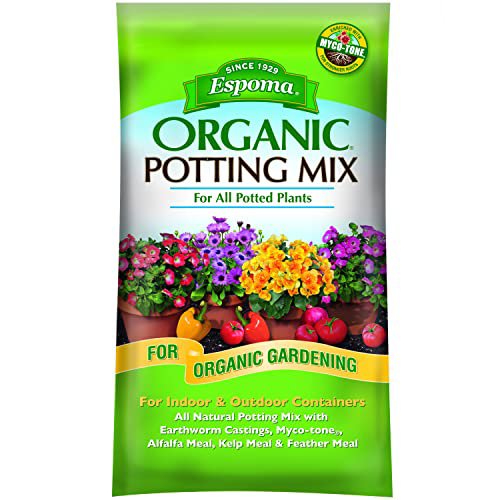
2 Repot the plant in fresh, high-quality potting soil to completely remove the salt-laden medium and provide a clean environment for root recovery.
3 Prune away the most severely burnt brown leaf edges using clean shears to prevent further aesthetic decline and allow the plant to focus energy on new growth.
error

Drought Stress

Hibiscus syriacus requires consistent moisture to maintain turgor pressure; when the soil dries out completely, the plant sacrifices the leaf tips first to conserve water. This is common in sandy soils or during prolonged hot summer periods.

Very Common
lightbulb
How to confirm: Check the moisture level of the soil 2-3 inches below the surface.
build How to fix it
shopping_cart Recommended Products
1 Immediately deep-water the plant to ensure moisture reaches the entire root zone, making sure the soil is thoroughly saturated.
2 Monitor soil moisture levels regularly using an analog meter to prevent the soil from drying out completely between waterings.
3 Apply a layer of organic mulch or organic matter around the base of the plant to help retain soil moisture and regulate temperature.
warning

Salt Toxicity from Irrigation Water

High levels of chloride or sodium in tap water or well water can accumulate at the leaf margins. As the plant transpires, these minerals concentrate at the tips, causing localized necrosis.

Common
lightbulb
How to confirm: Test your irrigation water for high salinity or try using rainwater for a few weeks to see if symptoms regress.
build How to fix it
shopping_cart Recommended Products
1 Flush the soil thoroughly with distilled water or rainwater to leach accumulated salts away from the root zone.
2 Prune away the most severely necrotic brown leaf tips using clean shears to prevent further aesthetic decline.
3 Monitor soil moisture levels closely to ensure the leaching process does not lead to overwatering and root rot.
warning

Root Rot (Phytophthora)

While often associated with yellowing, early-stage root rot caused by overwatering can disrupt the hydraulic conductivity of the plant. This prevents water from reaching the furthest extremities, leading to desiccated leaf tips.

Common
lightbulb
How to confirm: Gently lift the edge of the root ball to see if the roots are dark and slimy rather than firm and white/tan.
build How to fix it
shopping_cart Recommended Products
1 Immediately reduce watering frequency and ensure the plant is in a container with excellent drainage to stop the progression of root rot.
2 Inspect the soil moisture levels deeply before each watering session using a moisture meter to prevent future overwatering.
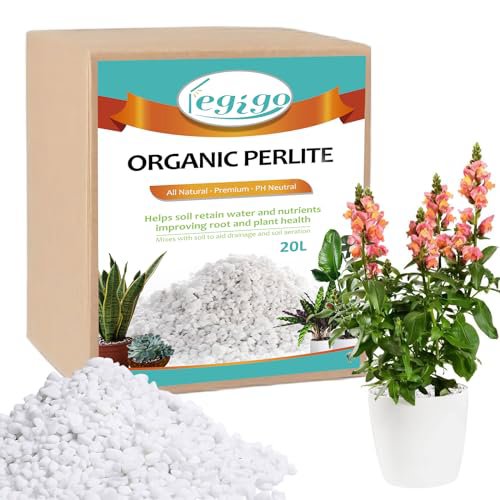
3 Repot the plant in a well-aerated, well-draining medium by mixing in perlite to improve oxygen flow to the root zone.
local_hospital All symptoms eco All plants with brown leaf tips
favorite