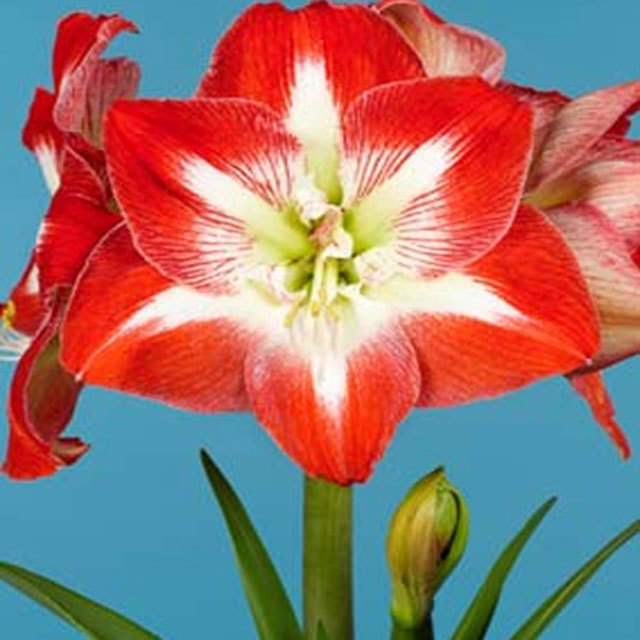
Why does your Hippeastrum Minerva have tiny black flies? Diagnose the cause and fix it with our step-by-step guide.
The presence of tiny black flies in Amaryllis is almost certainly due to fungus gnats, whose larvae thrive in the moist, organic-rich potting medium required by Hippeastrum. The adults emerge to lay eggs in the top layer of soil, while the larvae feed on decaying organic matter and can occasionally damage delicate emerging root hairs.
Fungus gnat populations explode when the Amaryllis bulb's substrate remains consistently wet, a condition that also risks causing bulb rot. High humidity and slow-drying peat-based mixes provide the ideal breeding ground for these pests.
A substrate with too much decomposing compost or bark can attract flies seeking breeding sites. For Hippeastrum, a well-draining mix is needed; too much organic decay provides the food source for the larvae.

 English
 Italiano