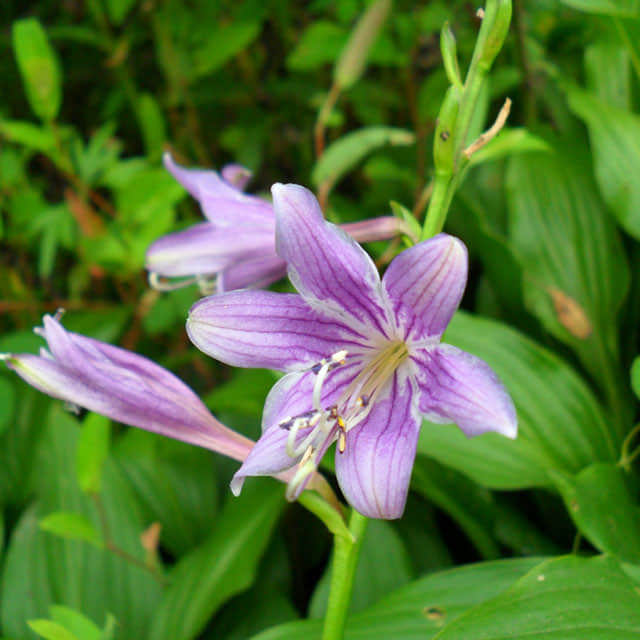
Hosta clausa Drooping Leaves
eco Drooping Leaves

Hosta clausa – Drooping Leaves

Why does your Hosta clausa have drooping leaves? Diagnose the cause and fix it with our step-by-step guide.

search Possible Causes

error

Water Stress (Underwatering or Drought)

Hostas have large, thin leaves with high transpiration rates; if the soil dries out too quickly, the plant loses turgor pressure causing immediate drooping. This is especially common in Hosta clausa during heat waves when surface soil evaporates rapidly.

Very Common
lightbulb
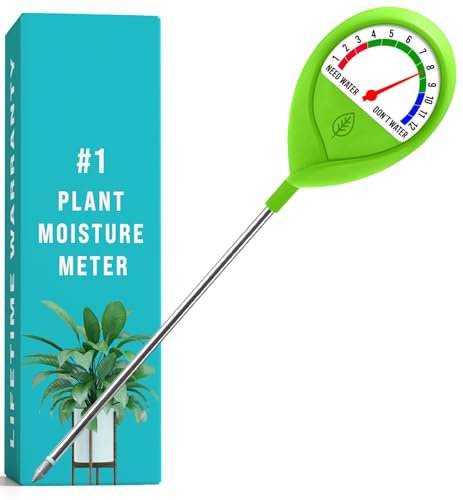
How to confirm: Stick your finger two inches into the soil to check if it feels bone-dry to the touch.
build How to fix it
shopping_cart Recommended Products
1 Immediately check the soil moisture level at the root zone to confirm the extent of the drought.
2 Deeply water the plant until water drains from the bottom of the pot, ensuring the entire root ball is saturated.
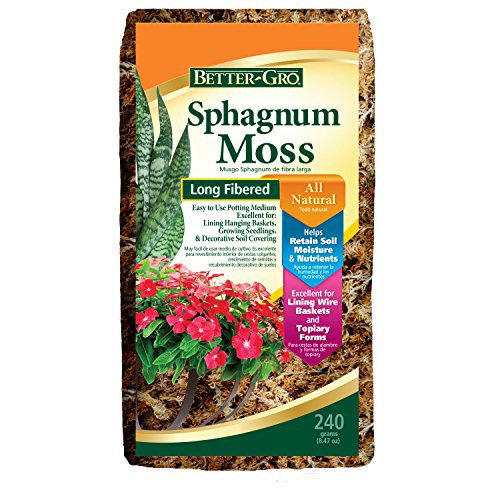
3 Apply a layer of organic mulch or perlite to the soil surface to help retain moisture and prevent rapid evaporation.
error

Root Rot (Overwatering/Poor Drainage)

While Hostas love moisture, stagnant water in heavy soil suffocates the roots. As roots decay from lack of oxygen, they can no longer transport water to the foliage, resulting in leaves that look wilted despite wet soil.

Very Common
lightbulb
How to confirm: Gently lift the edge of the plant to see if the soil is soggy or smells unpleasantly sour/musty.
build How to fix it
shopping_cart Recommended Products
1 Immediately stop watering and allow the soil to dry out completely to restore oxygen to the root zone.
2 Repot the plant in a well-draining medium, incorporating perlite to improve aeration and prevent future water stagnation.
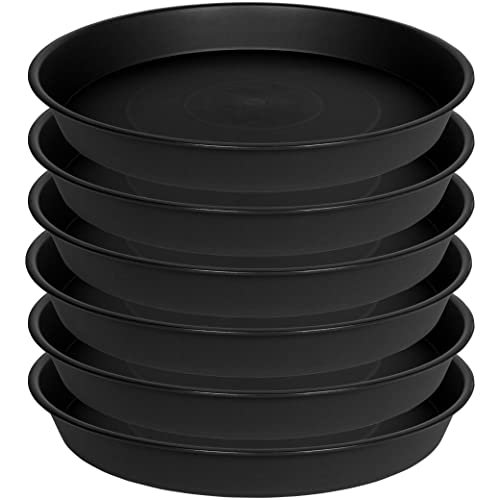
3 Ensure the plant is in a container with adequate drainage and use a saucer to catch excess water, making sure not to let the pot sit in standing water.
warning

Heat Stress

Extreme midday temperatures can cause Hosta leaves to wilt as a defense mechanism to reduce surface area exposed to the sun. This drooping often recovers once temperatures drop in the evening or during cloudy periods.

Common
lightbulb
How to confirm: Observe if the leaves perk up again during the early morning hours after sunset.
build How to fix it
shopping_cart Recommended Products
1 Move the plant to a more shaded or cooler location to protect it from direct midday sun and intense heat.
2 Monitor soil moisture levels closely to ensure the plant isn't also suffering from dehydration; use a moisture meter to check deep into the root zone.
3 Apply a mulch layer around the base of the plant to help regulate soil temperature and retain moisture.
warning

Slug or Snail Damage

Heavy feeding by gastropods can destroy leaf tissue and vascular pathways. While usually identified by holes, severe defoliation can leave the remaining structural parts of the leaf unable to support their own weight.

Common
lightbulb
How to confirm: Check the undersides of leaves and the soil surface at night for shiny slime trails or actual pests.
build How to fix it
shopping_cart Recommended Products
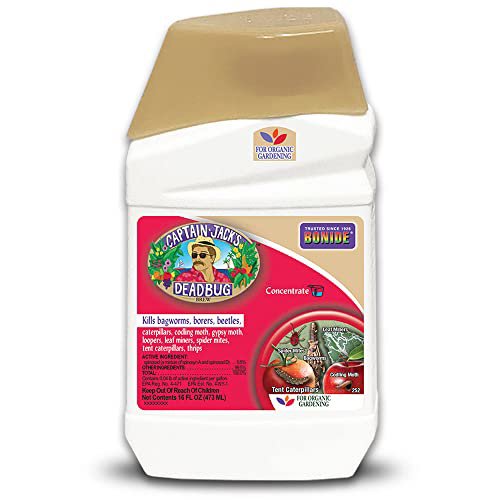
1 Inspect the undersides of leaves and the soil surface for slugs or snails, and apply an organic insecticide to eliminate the pests.
2 Remove any remaining damaged foliage to prevent further decay and encourage new, healthy growth.
3 Ensure the plant is in a well-draining environment to reduce the moist habitats that attract gastropods.

Other Hosta clausa problems

Your plant might also be experiencing one of these issues:

local_hospital All symptoms eco All plants with drooping leaves
favorite