Hosta fortunei Drooping Leaves
eco Drooping Leaves

Hosta fortunei – Drooping Leaves

Why does your Hosta fortunei have drooping leaves? Diagnose the cause and fix it with our step-by-step guide.

search Possible Causes

error

Water Stress (Drought or Dehydration)

Hostas have large, thin leaf surfaces that lose moisture rapidly via transpiration. When the soil dries out, the plant loses turgor pressure, causing the leaves to wilt or droop.

Very Common
lightbulb
How to confirm: Check the soil moisture two inches below the surface; if it is bone dry, the plant needs immediate deep watering.
build How to fix it
shopping_cart Recommended Products
1 Immediately check the soil moisture level at the root zone to confirm the extent of dehydration.
2 Deeply water the plant until water drains from the bottom of the pot, ensuring the entire root ball is saturated.
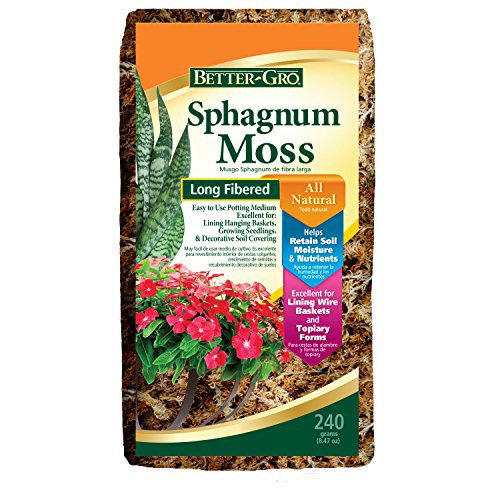
3 Apply a layer of organic mulch or sphagnum moss around the base to help retain soil moisture and prevent future drought stress.
error

Root Rot (Overwatering/Poor Drainage)

Excessive moisture in heavy soil suffocates the roots of Hosta fortunei, leading to fungal decay. Damaged roots cannot transport water to the leaves, resulting in a drooping appearance that mimics drought.

Very Common
lightbulb
How to confirm: Gently lift a plant from its container or check the soil around the crown; if the soil is soggy and roots are mushy/black, it is rot.
build How to fix it
shopping_cart Recommended Products
1 Immediately stop watering and allow the soil to dry out completely. Use a moisture meter to monitor the soil depth and ensure the root zone is not staying saturated.
2 Repot the plant in a well-draining potting mix amended with perlite to improve aeration and prevent future waterlogging.
3 Inspect the roots for mushy, dark brown decay; trim away any rotten sections with sterilized shears and discard the damaged parts.
warning

Slug or Snail Infestation

Slugs specifically target the tender leaf tissue of Hostas during the night. Large holes and ragged edges from feeding can compromise the structural integrity of the leaf, causing it to sag.

Common
lightbulb
How to confirm: Inspect the undersides of leaves for slime trails or small holes during early morning hours.
build How to fix it
shopping_cart Recommended Products
1 Apply an organic insecticide to eliminate the slug and snail population and prevent further feeding on tender leaf tissue.
2 Inspect the plant at night or early morning for active pests and remove them manually.
3 Clear away damp leaf litter and debris from the base of the Hosta to remove hiding spots for slugs.
warning

Heat Stress

Even in shade, extreme temperature spikes can cause Hosta fortunei to enter a temporary wilt state to protect itself. This is often a physiological response to high vapor pressure deficit rather than lack of soil water.

Common
lightbulb
How to confirm: Observe if the drooping recovers during the cooler evening or early morning hours.
build How to fix it
shopping_cart Recommended Products
1 Monitor soil moisture levels closely to ensure the plant isn't actually thirsty, using a moisture meter to check deep into the root zone.
2 Increase local humidity around the plant and provide shade during peak temperature hours to reduce transpiration rates.
3 Apply a layer of organic mulch around the base of the plant to insulate the roots and keep the soil temperature stable.

Other Hosta fortunei problems

Your plant might also be experiencing one of these issues:

local_hospital All symptoms eco All plants with drooping leaves
favorite