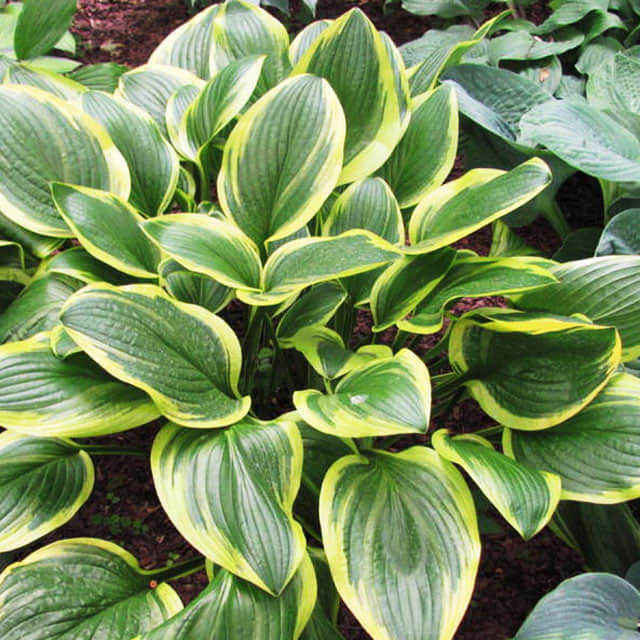
Hosta opipara Tiny Black Flies
eco Tiny Black Flies

Hosta opipara – Tiny Black Flies

Why does your Hosta opipara have tiny black flies? Diagnose the cause and fix it with our step-by-step guide.

search Possible Causes

error

Fungus Gnats

The larvae of these flies live in the moist organic matter of Hosta soil, feeding on decaying plant material and occasionally fine root hairs. Their presence is a direct indicator that the substrate remains consistently damp, which is common for moisture-loving Hostas.

Very Common
lightbulb
How to confirm: Check if the flies emerge from the soil surface when you disturb the top layer of mulch or potting mix.
build How to fix it
shopping_cart Recommended Products
1 Deploy yellow sticky traps to capture the adult flying gnats and break the reproductive cycle.
2 Allow the top layer of soil to dry out significantly between waterings to disrupt the larvae's moist habitat.
3 Apply a microbial-based soil drench to target the larvae living in the organic matter.
warning

Sciarid Flies

Similar to fungus gnats, these tiny flies thrive in high-humidity environments like those created by Hosta foliage. They are attracted to the decaying organic matter found in perennial beds and can contribute to minor root damage if larvae populations explode.

Common
lightbulb
How to confirm: Set a yellow sticky trap near the base of the plant to see if small, dark-bodied flies are captured.
build How to fix it
shopping_cart Recommended Products
1 Deploy yellow sticky traps near the soil surface to capture adult flies and monitor the infestation level.
2 Reduce watering frequency and allow the top inch of soil to dry out to disrupt the larvae's moist habitat.
3 Apply a biological control or organic insecticide to target the larvae and prevent further root damage.
warning

Blackberry Leaf Spittlebug (Early Stage)

While less common on Hostas, certain small black hemipterans can be mistaken for flies; they may migrate to lush Hosta leaves to feed on sap. This can sometimes lead to localized yellowing or small dark spots on the leaf surface.

Common
lightbulb
How to confirm: Inspect the undersides of the large Hosta leaves for any tiny, dark insects or white, foamy secretions.
build How to fix it
shopping_cart Recommended Products
1 Apply an organic insecticide spray to eliminate the small black insects and protect the plant from further sap-feeding damage.
2 Check the soil surface for larvae or pupae and use yellow sticky traps to capture adult flying insects.
3 Inspect the undersides of the leaves for any white, foamy mass characteristic of spittlebugs and remove them manually if found.

Other Hosta opipara problems

Your plant might also be experiencing one of these issues:

local_hospital All symptoms eco All plants with tiny black flies
favorite