Hosta plantaginea Fine Webbing
eco Fine Webbing

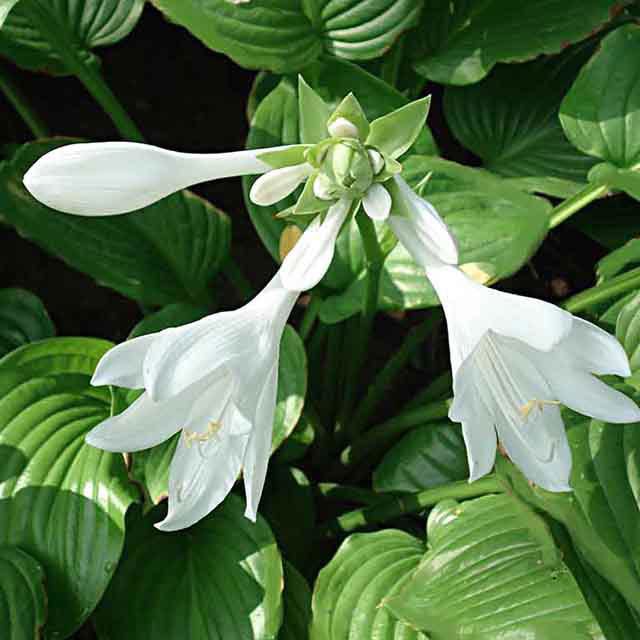
Hosta plantaginea – Fine Webbing

Why does your Hosta plantaginea have fine webbing? Diagnose the cause and fix it with our step-by-step guide.

pets Pet Friendly

search Possible Causes

error

Two-Spotted Spider Mites (Tetranychus urticae)

These tiny arachnids thrive in the warm, dry conditions that Hosta plantaginea often encounters during summer. They pierce individual cells of the host leaves to suck out contents, leaving behind fine silk webbing and stippling patterns.

Very Common
lightbulb
How to confirm: Hold a white piece of paper underneath a leaf and tap it sharply to see if tiny crawling specks fall off.
build How to fix it
shopping_cart Recommended Products
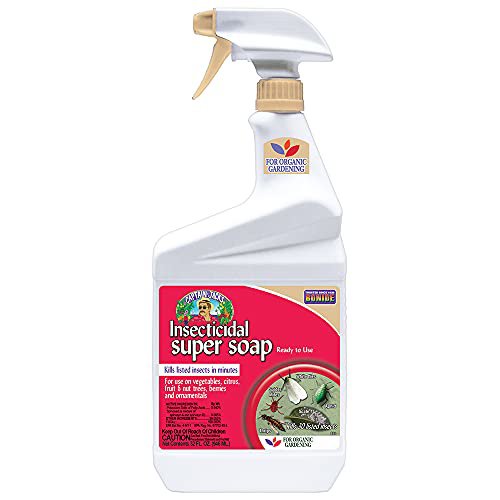
1 Apply an organic miticide or insecticide to eliminate the spider mite population and destroy eggs/larvae.
2 Increase humidity around the plant and wipe leaves with a damp cloth to physically remove webbing and disrupt the mites' dry environment.
3 Monitor soil moisture levels to ensure the plant is not under drought stress, which can exacerbate mite infestations.
error

Spider Mites (General)

While Two-Spotted are most common, other mite species can inhabit the underside of Hosta foliage. The webbing is a defensive structure used to protect their eggs and create a microenvironment for colonies.

Very Common
lightbulb
How to confirm: Look for tiny yellow or white dots (stippling) on the surface of the hosta leaves near the webbing.
build How to fix it
shopping_cart Recommended Products
1 Spray the undersides of the Hosta leaves thoroughly with an organic miticide to eliminate existing spider mite colonies and eggs.
2 Physically remove visible webbing and mites by rinsing the foliage with a strong stream of water to disrupt their microenvironment.
3 Monitor the plant regularly using a magnifying glass to catch any new infestations before they spread.
warning

Small Slug/Snail Trails and Silk

Certain gastropods may leave behind mucus trails that can appear as thin, silvery lines or web-like structures across the broad leaves of the Hosta. While not true 'webbing,' it is often confused with mite activity in damp shaded areas.

Common
lightbulb
How to confirm: Check for shiny, dried slime trails on the leaf surface or near the base of the hosta plant.
build How to fix it
shopping_cart Recommended Products
1 Inspect the undersides of leaves and the soil surface for slugs or snails, and remove any visible pests manually during damp evening hours.
2 Apply an organic insecticide or slug control method to protect the foliage from further mucus trails and feeding damage.
3 Reduce moisture levels around the base of the plant by clearing damp leaf litter and ensuring proper drainage to make the environment less attractive to gastropods.

Other Hosta plantaginea problems

Your plant might also be experiencing one of these issues:

local_hospital All symptoms eco All plants with fine webbing
favorite