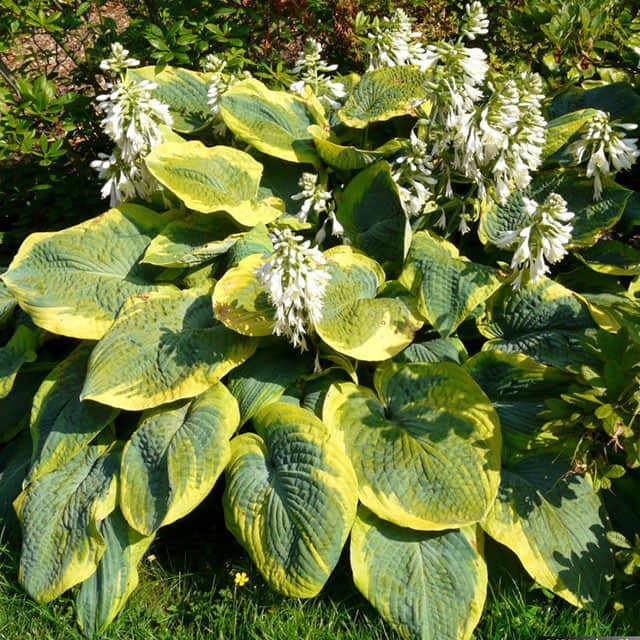
Hosta sieboldiana Frances Williams Fine Webbing
eco Fine Webbing

Hosta sieboldiana Frances Williams – Fine Webbing

Why does your Hosta sieboldiana Frances Williams have fine webbing? Diagnose the cause and fix it with our step-by-step guide.

search Possible Causes

error

Two-Spotted Spider Mite Infestation

These microscopic arachnids thrive in the warm, dry conditions that often affect large-leafed Hostas like 'Frances Williams'. They pierce the cell contents of the leaf, causing stippling and leaving fine silken webs as they move across the foliage.

Very Common
lightbulb
How to confirm: Hold a white piece of paper underneath a leaf and tap it sharply to see if tiny crawling specks fall onto the paper.
build How to fix it
shopping_cart Recommended Products
1 Apply an organic miticide to eliminate the spider mites and their eggs; a thorough spray of Neem Oil will help control the infestation.
2 Increase humidity around the plant and ensure the soil remains moist, as spider mites thrive in hot, dry environments.
3 Monitor soil moisture levels regularly to prevent the dry conditions that trigger mite outbreaks.
warning

Tetranychus urticae (European Red Spider Mite)

A specific type of spider mite that is highly common in shade-dwelling perennials. In 'Frances Williams', heavy infestations can cause the characteristic blue-green variegation to turn yellow and eventually scorched-looking.

Common
lightbulb
How to confirm: Inspect the undersides of the leaves for small, bright red or orange dots moving near the webbing.
build How to fix it
shopping_cart Recommended Products
1 Apply an organic miticide or insecticide spray to the plant to eliminate the spider mite population and destroy any remaining eggs.
2 Increase humidity around the plant and regularly wipe the leaves with a damp cloth to physically remove webbing and discourage mite re-infestation.
3 Monitor soil moisture levels closely, as spider mites thrive in dry, stressed environments; use a moisture meter to ensure the soil remains consistently moist.
warning

Fall Webworm (Early Stage)

While more common on trees, early larval stages of certain caterpillars can create silk structures on host plants. However, this usually presents as much denser, localized tent-like webs rather than fine, distributed webbing.

Common
lightbulb
How to confirm: Look for small green caterpillars hidden within the silk structures during the day.
build How to fix it
shopping_cart Recommended Products
1 Manually remove any visible webbing or larvae from the leaves to prevent the web from expanding and protecting the caterpillars.
2 Apply an organic insecticide spray to eliminate any remaining larvae and prevent further silk production.
3 Monitor the plant closely using a magnifying glass to ensure no new caterpillars or egg masses appear.

Other Hosta sieboldiana Frances Williams problems

Your plant might also be experiencing one of these issues:

local_hospital All symptoms eco All plants with fine webbing
favorite