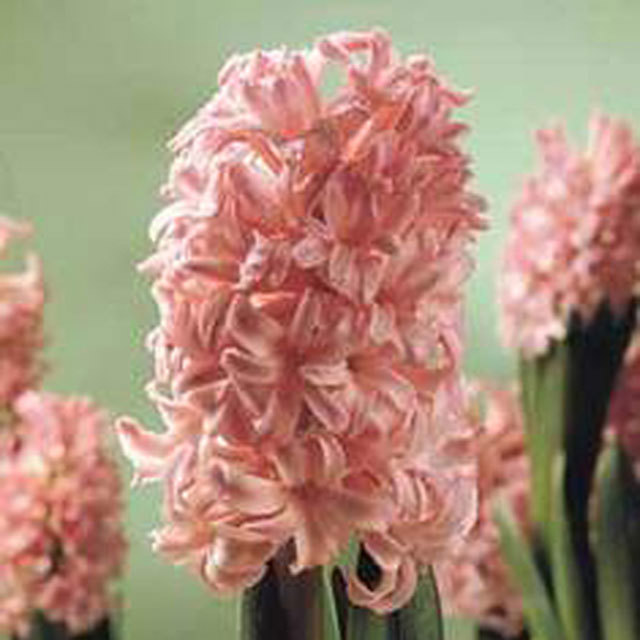
Hyacinthus orientalis Ann-Marie Tiny Black Flies
eco Tiny Black Flies

Hyacinthus orientalis Ann-Marie – Tiny Black Flies

Why does your Hyacinthus orientalis Ann-Marie have tiny black flies? Diagnose the cause and fix it with our step-by-step guide.

search Possible Causes

error

Fungus Gnats (Sciarid flies)

The larvae of these flies live in the top layer of soil and feed on organic matter or decaying plant roots. In Hyacinths, high moisture levels in the potting medium create a perfect breeding ground for their life cycle.

Very Common
lightbulb
How to confirm: Place a yellow sticky trap near the base of the hyacinth to see if small black insects are captured.
build How to fix it
shopping_cart Recommended Products
1 Reduce watering frequency and allow the top inch of soil to dry out completely to disrupt the larvae's moist breeding environment.
2 Deploy yellow sticky traps to capture the adult flying gnats and prevent further egg-laying in the soil.
3 Apply a biological control or organic insecticide to target the larvae and adults effectively.
warning

Soil-borne Fungal Pathogens (causing root decay)

The presence of flies often indicates that organic matter or roots are decomposing due to fungi like Pythium or Rhizoctonia. As the hyacinth bulbs begin to rot from overwatering, they release gases and nutrients that attract scavengers.

Common
lightbulb
How to confirm: Gently lift the bulb to check if the base is soft, slimy, or emitting a foul odor.
build How to fix it
shopping_cart Recommended Products
1 Immediately remove the plant from its current container and inspect the bulbs for any soft, mushy, or foul-smelling areas.
2 Prune away all decayed root and bulb tissue using sterilized tools and repot the healthy portions in a fresh, well-draining medium like Espoma Organic Potting Soil Mix.
3 Apply yellow sticky traps to capture the adult flies and prevent further breeding cycles in the soil.
warning

Black Vine Weevil (Adults)

While less common for indoor hyacinths, adult weevils can appear as small dark insects. Their larvae are highly destructive to bulbous plants like Hyacinthus orientalis, as they feed directly on the bulb tissue.

Common
lightbulb
How to confirm: Inspect the underside of the leaves and the soil surface for small, dark-colored beetles during the night.
build How to fix it
shopping_cart Recommended Products
1 Inspect the bulb and soil for larvae or signs of hollowed tissue, and remove any visible adult weevils manually.
2 Apply an organic insecticide to control adult populations and prevent further egg-laying on the plant.
3 Use yellow sticky traps to capture flying adults and monitor for new infestations.
local_hospital All symptoms eco All plants with tiny black flies
favorite