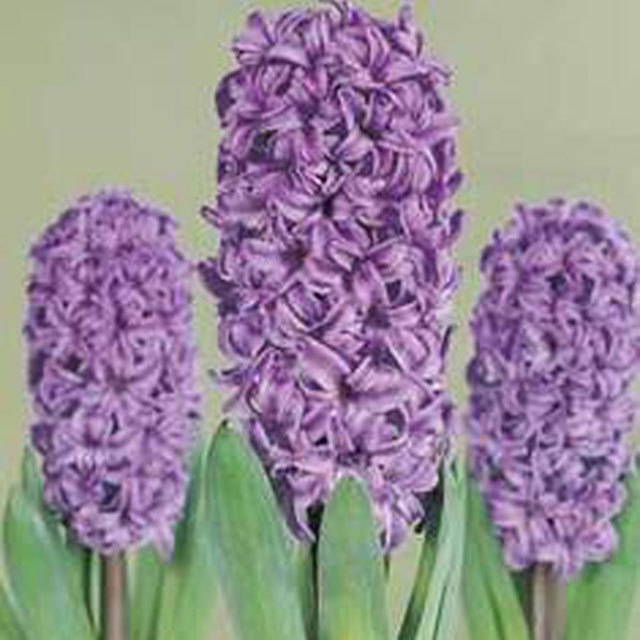
Why does your Hyacinthus orientalis Atlantic have tiny black flies? Diagnose the cause and fix it with our step-by-step guide.
The larvae of these flies live in the organic matter of the soil and feed on decaying plant roots or fungal mycelium. In Hyacinths, high moisture levels in the bulb's potting medium provide the perfect breeding ground for their life cycle.
Excessive moisture in the bulb's pot leads to anaerobic conditions and promotes fungal growth, which attracts fungus gnats. This can cause the Hyacinth bulb to undergo rot, making it more susceptible to pest colonization.
If there are old, dead leaves or uncomposted organic mulch around the base of the Hyacinth, these provide a nutrient source and habitat for flies. The decay process attracts various small dipterans looking for egg-laying sites.

 English
 Italiano



