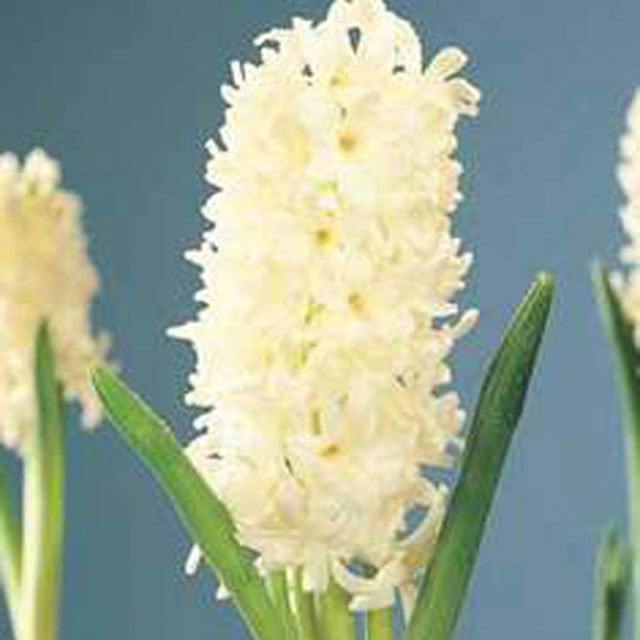
Hyacinthus orientalis Carnegie Tiny Black Flies
eco Tiny Black Flies

Hyacinthus orientalis Carnegie – Tiny Black Flies

Why does your Hyacinthus orientalis Carnegie have tiny black flies? Diagnose the cause and fix it with our step-by-step guide.

search Possible Causes

error

Fungus Gnats (Sciaridae)

The larvae of fungus gnats thrive in the moist, organic-rich potting soil required by Hyacinths. They feed on decaying organic matter and can damage the delicate root system of the bulb if populations become high.

Very Common
lightbulb
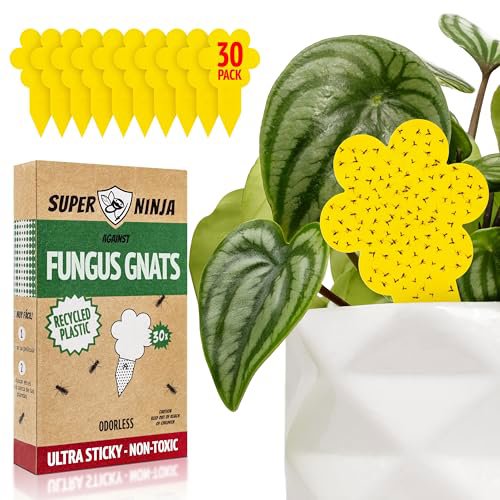
How to confirm: Set up a yellow sticky trap near the base of the plant to see if small black flies are attracted to it.
build How to fix it
shopping_cart Recommended Products
1 Deploy yellow sticky traps to capture adult flies and disrupt the breeding cycle.
2 Reduce watering frequency and allow the top inch of soil to dry out to eliminate the moist environment larvae need to thrive.
3 Top-dress the soil with a layer of horticultural perlite to create a dry barrier that prevents adults from laying eggs in the organic matter.
warning

Drainage issues leading to Saprophytic Fungi

Excessive moisture in the Hyacinth pot promotes the growth of fungi that serve as a food source for flies. This often coincides with the beginning stages of Bulb Rot, which attracts various small dipterans.

Common
lightbulb
How to confirm: Inspect the bulb base for any signs of softness or a foul odor indicating rot.
build How to fix it
shopping_cart Recommended Products
1 Reduce watering frequency and ensure the pot has adequate drainage to eliminate the excess moisture attracting flies.
2 Apply an organic insecticide to eliminate the adult flies and their larvae in the soil.
3 Check the bulb for signs of rot and repot in a well-draining medium enriched with perlite to improve aeration.
warning

Fruit Flies (Drosophilidae)

If there is over-fertilization or decomposing organic mulch on the surface of the Hyacinth pot, fruit flies may be attracted to the fermenting nutrients.

Common
lightbulb
How to confirm: Check if the flies are hovering specifically around the surface soil or the developing flower spike.
build How to fix it
shopping_cart Recommended Products
1 Remove any decomposing organic matter or excess fertilizer from the soil surface to eliminate the breeding site for the flies.
2 Deploy yellow sticky traps near the plant to capture the adult flies and disrupt their life cycle.
3 Monitor the soil moisture levels closely to ensure the medium is not staying too damp, which attracts pests.
local_hospital All symptoms eco All plants with tiny black flies
favorite