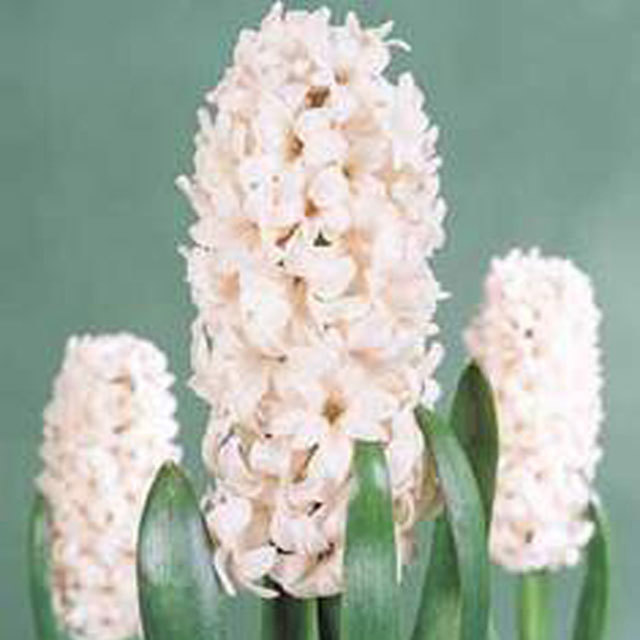
Why does your Hyacinthus orientalis China Pink have tiny black flies? Diagnose the cause and fix it with our step-by-step guide.
The larvae of these flies live in the organic-rich, moist soil required by Hyacinths, feeding on decaying matter and fine root hairs. The adults emerge to lay eggs in the top layer of the potting medium.
Excessive moisture in the bulb's container attracts fungus gnats and creates a breeding ground for larvae. If the bulbs are sitting in water, the resulting decay provides an ideal food source for flies.
Using high-nitrogen organic fertilizers or compost around the Hyacinth bulbs can attract flies searching for decomposing nutrients. These additives increase the microbial activity that supports fly larvae populations.

 English
 Italiano



