Hyacinthus orientalis City of Haarlem Tiny Black Flies
eco Tiny Black Flies

Hyacinthus orientalis City of Haarlem – Tiny Black Flies

Why does your Hyacinthus orientalis City of Haarlem have tiny black flies? Diagnose the cause and fix it with our step-by-step guide.

search Possible Causes

error

Fungus Gnats (Sciaridae)

The presence of tiny black flies in hyacinth pots is almost certainly due to fungus gnats, whose larvae live in the upper layers of organic-rich soil. They thrive in the moist conditions required by Hyacinthus orientalis and feed on decaying plant matter or fine root hairs.

Very Common
lightbulb
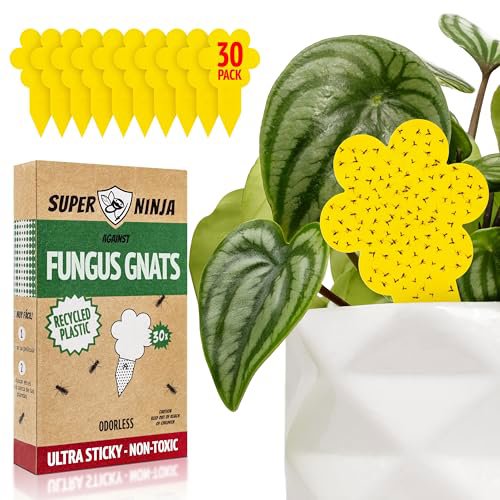
How to confirm: Set a yellow sticky trap near the pot to confirm the presence of flying adults.
build How to fix it
shopping_cart Recommended Products
1 Deploy yellow sticky traps near the soil surface to capture adult flies and disrupt the breeding cycle.
2 Allow the top inch of soil to dry out completely between waterings to kill larvae, as they thrive in overly moist organic matter.
3 Top-dress the soil with a layer of horticultural perlite or sand to create a dry barrier that prevents adults from laying eggs.
error

Excessive Soil Moisture/Overwatering

Hyacinths are prone to bulb rot if left in waterlogged soil. High moisture levels promote the growth of fungi and organic decay, which provides the primary food source and breeding ground for fungus gnat larvae.

Very Common
lightbulb
How to confirm: Stick your finger two inches into the soil to see if it remains damp long after watering.
build How to fix it
shopping_cart Recommended Products
1 Reduce watering frequency and allow the top inch of soil to dry out completely to disrupt the fungus gnat breeding cycle.
2 Apply yellow sticky traps near the soil surface to capture adult flies and prevent further egg laying.
3 Repot the bulb in a well-draining medium, incorporating perlite to improve aeration and prevent future waterlogging.
warning

High Organic Matter in Potting Mix

Peat-based or heavily composted potting mixes used for spring bulbs offer an ideal substrate for insect egg-laying. The abundance of decomposing organic material in the 'City of Haarlem' container supports a larger population of flies.

Common
lightbulb
How to confirm: Check if the potting medium is highly decomposed or contains large amounts of unsterilized compost.
build How to fix it
shopping_cart Recommended Products
1 Apply an organic insecticide to eliminate the adult flies and larvae, such as a neem oil spray, to disrupt their life cycle.
2 Use yellow sticky traps to capture flying adults and monitor the population levels near the soil surface.
3 Reduce the organic matter in the top layer of the soil and allow the medium to dry out more between waterings to make the environment less hospitable for egg-laying.
local_hospital All symptoms eco All plants with tiny black flies
favorite