Hyacinthus orientalis Delft Blue Tiny Black Flies
eco Tiny Black Flies

Hyacinthus orientalis Delft Blue – Tiny Black Flies

Why does your Hyacinthus orientalis Delft Blue have tiny black flies? Diagnose the cause and fix it with our step-by-step guide.

search Possible Causes

error

Fungus Gnats (Sciaridae)

The presence of tiny black flies near the soil surface in hyacinths is almost always due to fungus gnats, whose larvae feed on organic matter and fungal mycelia in moist bulb media. High humidity and frequent watering required for spring blooms create the perfect breeding ground for these pests.

Very Common
lightbulb
How to confirm: Set up a yellow sticky trap near the pot to confirm if small, winged insects are being attracted to it.
build How to fix it
shopping_cart Recommended Products
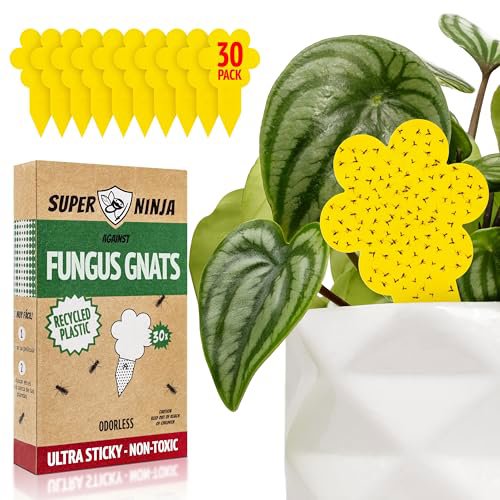
1 Deploy yellow sticky traps near the soil surface to capture adult flies and disrupt the breeding cycle.
2 Reduce watering frequency and allow the top inch of soil to dry out to eliminate the moist environment larvae need to survive.
3 Apply a biological control or organic spray to target larvae and prevent further infestation.
warning

Root Rot (Pythium or Phytophthora)

While not the cause of the flies themselves, the decay caused by overwatering attracts fungus gnats because they feed on the fungi associated with rotting bulbs. If the bulb base is soft, the flies are likely scavenging the decomposing tissue.

Common
lightbulb
How to confirm: Gently lift the bulb from the soil to check if the base feels mushy or has a foul odor.
build How to fix it
shopping_cart Recommended Products
1 Immediately remove the bulb from the soil to inspect for soft, mushy, or foul-smelling tissue; discard any bulbs showing clear signs of rot to prevent spreading the pathogen.
2 Repot the healthy bulbs in a fresh, well-draining medium and incorporate perlite to improve aeration and prevent future moisture retention.
3 Deploy yellow sticky traps to capture the adult fungus gnats and reduce the population of flies scavenging the plant.
warning

Soil Organic Matter Decomposition

If you have recently added fresh compost or organic potting mix to your hyacinth pot, the flies may be attracted to the high nitrogen content and decomposing nutrients. This is common in new plantings where the substrate is highly active.

Common
lightbulb
How to confirm: Check if the flies are primarily hovering around the top layer of the soil rather than moving between leaves.
build How to fix it
shopping_cart Recommended Products
1 Deploy yellow sticky traps near the soil surface to capture the adult flies and break the reproductive cycle.
2 Allow the top layer of soil to dry out more thoroughly between waterings to disrupt the larvae's moist habitat.
3 Apply a thin layer of horticultural perlite or sand over the soil surface to create a physical barrier that prevents flies from reaching the organic matter.
local_hospital All symptoms eco All plants with tiny black flies
favorite