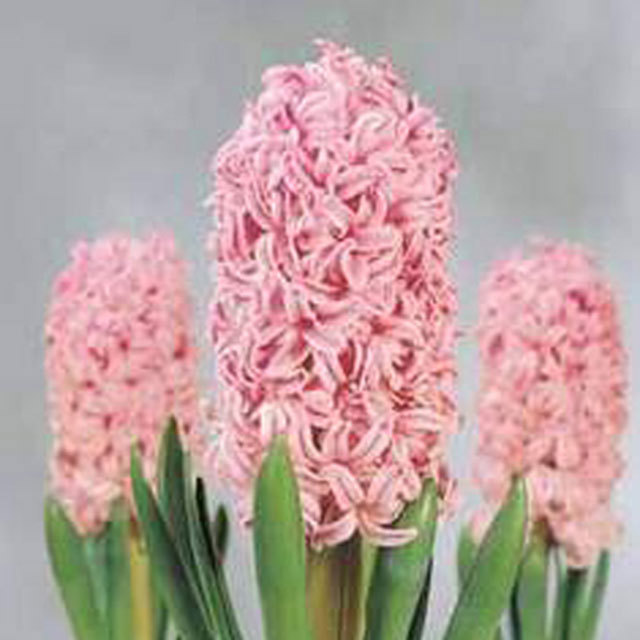
Why does your Hyacinthus orientalis Marconi have tiny black flies? Diagnose the cause and fix it with our step-by-step guide.
The larvae of these flies live in the organic matter of the potting soil and feed on decaying plant roots. In Hyacinths, high moisture levels required for bulb development often create the perfect breeding ground for these pests.
Overwatering or poor drainage causes the Hyacinth bulb to decay, releasing organic volatiles that attract flies. The tiny black flies are often just scavengers attracted to the decomposing bulb tissue.
Excessive compost or peat-based potting mixes that stay damp for long periods provide a nutrient-rich environment for fly larvae to thrive. This is common when Hyacinths are forced indoors in decorative containers without sufficient aeration.

 English
 Italiano


