Hydrangea arborescens Brown Leaf Tips
eco Brown Leaf Tips

Hydrangea arborescens – Brown Leaf Tips

Why does your Hydrangea arborescens have brown leaf tips? Diagnose the cause and fix it with our step-by-step guide.

search Possible Causes

error

Underwatering or Low Humidity

Hydrangea arborescens has large, thin leaves with high transpiration rates. When soil moisture is insufficient or air humidity is too low, the plant cannot transport water to the leaf margins, causing them to desiccate and turn brown.

Very Common
lightbulb
How to confirm: Check if the soil feels dry several inches below the surface and if the browning occurs during hot, windy, or dry spells.
build How to fix it
shopping_cart Recommended Products
1 Check the soil moisture level immediately using a moisture meter to determine if the root zone has reached a critical dry point.
2 Increase ambient humidity around the plant by using a fine mist spray bottle to hydrate the large, thin leaves.
3 Ensure the plant is in a well-draining container and use a pebble tray or saucer to maintain consistent moisture levels around the base.
error

Salt Accumulation (Fertilizer Burn)

Excessive buildup of mineral salts from fertilizers in the soil can draw moisture out of the root cells via osmosis. This osmotic stress prevents water from reaching the leaf edges, resulting in characteristic tip necrosis.

Very Common
lightbulb
How to confirm: Look for a white, crusty residue on the soil surface or recent heavy applications of synthetic fertilizer.
build How to fix it
shopping_cart Recommended Products
1 Flush the soil thoroughly with large amounts of fresh, distilled, or rainwater to leach out the accumulated mineral salts.
2 Monitor the soil moisture levels closely to ensure the plant remains hydrated without overwatering, using a moisture meter to prevent further osmotic stress.
3 Transition to a balanced, diluted liquid fertilizer routine and avoid high-concentration salt-based products until new growth appears healthy.
warning

Root Damage or Root Rot

If roots are damaged by physical trauma or suffocated by compacted, waterlogged soil, their ability to uptake water is compromised. This creates a physiological drought that manifests as browning tips despite moist soil.

Common
lightbulb
How to confirm: Gently lift the edge of the plant to inspect if the roots are firm and white or dark, slimy, and foul-smelling.
build How to fix it
shopping_cart Recommended Products
1 Inspect the root system for mushy, dark, or foul-smelling roots and carefully trim away any rot using sterilized tools.
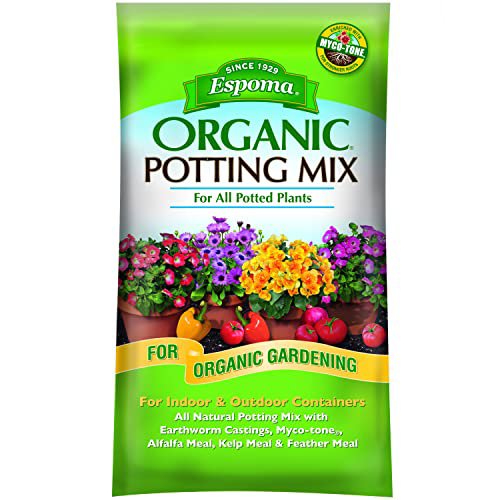
2 Repot the hydrangea into a fresh, well-aerated medium like Espoma Organic Potting Soil Mix to prevent future soil compaction and waterlogging.
3 Improve drainage by mixing in horticultural perlite to increase oxygen availability to the root zone.
warning

Wind Scorch

Strong, drying winds can strip moisture from the leaf edges faster than the root system can replace it. This is particularly common in 'Smooth Hydrangea' varieties planted in exposed, windy locations.

Common
lightbulb
How to confirm: Observe if the browning is more severe on the side of the plant most exposed to prevailing winds.
build How to fix it
shopping_cart Recommended Products
1 Relocate the plant to a more sheltered area or install a windbreak, such as a fence or taller shrubs, to reduce exposure to drying gusts.
2 Increase local humidity around the foliage by using a fine mist spray to help prevent further moisture loss from leaf edges.
3 Monitor soil moisture levels closely to ensure the root system can keep up with transpiration; use a moisture meter to prevent the soil from drying out completely.

Other Hydrangea arborescens problems

Your plant might also be experiencing one of these issues:

local_hospital All symptoms eco All plants with brown leaf tips
favorite