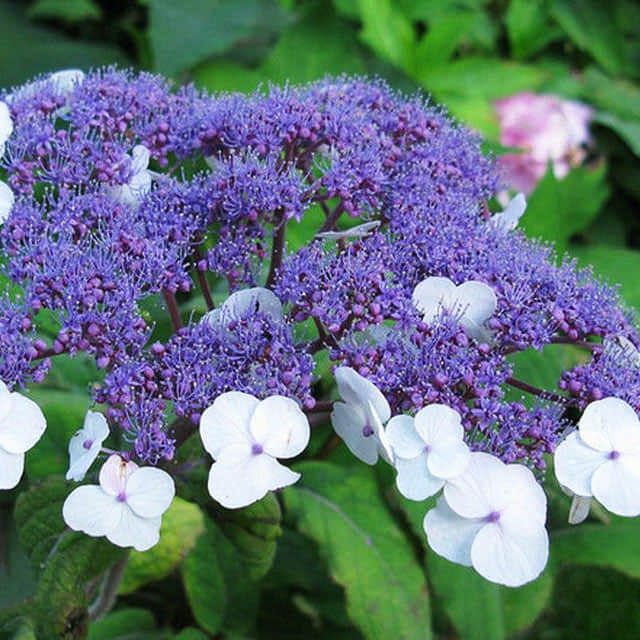
Hydrangea aspera Drooping Leaves
eco Drooping Leaves

Hydrangea aspera – Drooping Leaves

Why does your Hydrangea aspera have drooping leaves? Diagnose the cause and fix it with our step-by-step guide.

search Possible Causes

error

Water Stress (Underwatering)

Hydrangea aspera has large, textured leaves with high transpiration rates. When soil moisture is insufficient, the plant loses turgor pressure quickly, causing visible wilting.

Very Common
lightbulb
How to confirm: Check the soil depth 2 inches below the surface; if it is bone dry, the plant requires immediate deep watering.
build How to fix it
shopping_cart Recommended Products
1 Immediately check the soil moisture level at the root zone to confirm the severity of the dehydration.
2 Deeply water the plant until water flows freely from the drainage holes, ensuring the entire root ball is saturated.
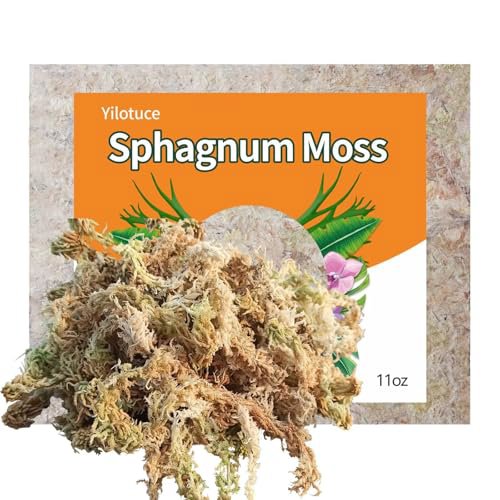
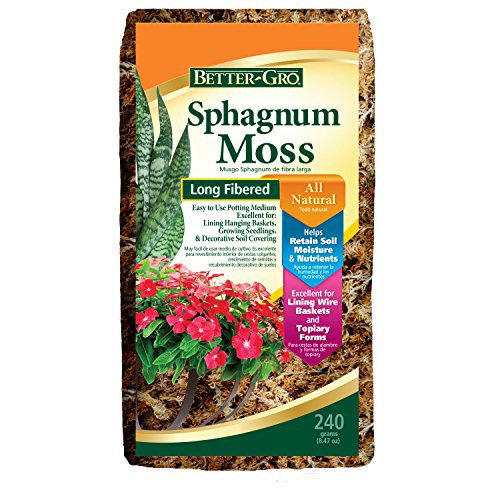
3 Apply a layer of organic mulch or sphagnum moss around the base to help retain soil moisture and reduce evaporation.
error

Root Rot (Overwatering)

Excessive moisture in heavy soils leads to anaerobic conditions, causing the roots of Hydrangea aspera to decay. This prevents the plant from absorbing water, resulting in 'drought-like' drooping symptoms.

Very Common
lightbulb
How to confirm: Gently lift the edge of the root ball to check if the roots are dark brown and slimy rather than firm and white.
build How to fix it
shopping_cart Recommended Products
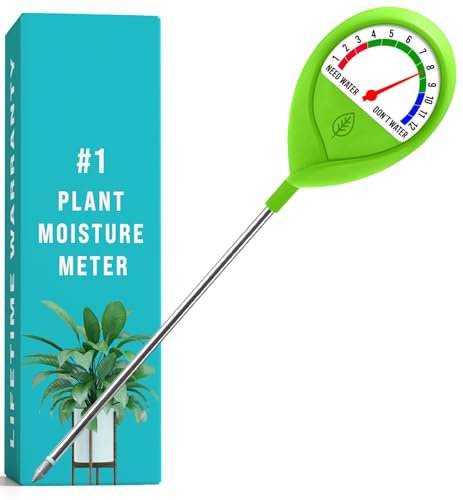
1 Immediately stop watering and allow the soil to dry out completely. Use a moisture meter to monitor the soil depth and ensure the root zone is not staying saturated.
2 Repot the plant into a well-draining medium by mixing in perlite or horticultural grit to improve aeration and prevent future anaerobic conditions.
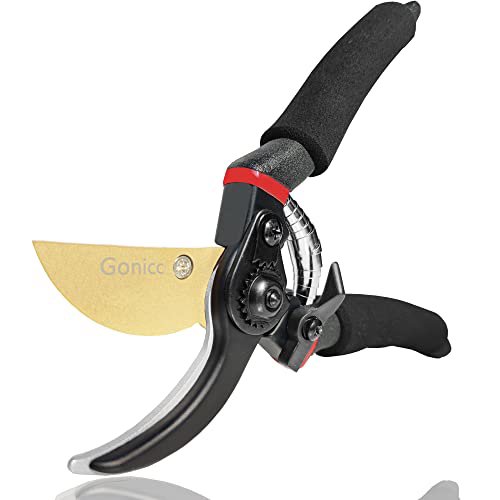
3 Inspect the roots for any mushy, dark, or foul-smelling decay; prune away all dead roots using sterilized shears to prevent the rot from spreading.
warning

Extreme Heat/Solar Scorch

While hardy, intense afternoon sun can cause the large leaves of this species to wilt as a defense mechanism against rapid moisture loss.

Common
lightbulb
How to confirm: Observe if the drooping improves significantly during the cooler evening or early morning hours.
build How to fix it
shopping_cart Recommended Products
1 Move the plant to a location with dappled sunlight or afternoon shade to protect the leaves from direct solar scorch.
2 Monitor soil hydration levels closely during heatwaves to ensure the plant does not reach a permanent wilting point.
3 Apply a mulch layer around the base of the plant to help regulate soil temperature and retain moisture.
warning

Nutrient Deficiency (Nitrogen)

A lack of nitrogen can weaken the structural integrity of the leaf stems, making the foliage appear limp and less robust.

Common
lightbulb
How to confirm: Inspect the older leaves for a pale, yellowish color (chlorosis) alongside the drooping.
build How to fix it
shopping_cart Recommended Products
1 Apply a nitrogen-rich liquid fertilizer to boost foliage strength and restore leaf vigor.
2 Check the soil moisture levels with a moisture meter to ensure the drooping isn't actually caused by underwatering.
3 Ensure the plant is in a well-draining container or soil mix to prevent root rot, which can also cause limp foliage.

Other Hydrangea aspera problems

Your plant might also be experiencing one of these issues:

local_hospital All symptoms eco All plants with drooping leaves
favorite