Hydrangea chinensis Yellow Leaves
eco Yellow Leaves

Hydrangea chinensis – Yellow Leaves

Why does your Hydrangea chinensis have yellow leaves? Diagnose the cause and fix it with our step-by-step guide.

search Possible Causes

error

Iron Chlorosis

This is common in Hydrangea chinensis when the soil pH is too alkaline, preventing the plant from absorbing iron. You will typically see interveinal chlorosis where veins remain green while the leaf tissue turns yellow.

Very Common
lightbulb
How to confirm: Check if the new growth is yellowing while the veins stay dark green and test your soil pH for levels above 6.5.
build How to fix it
shopping_cart Recommended Products
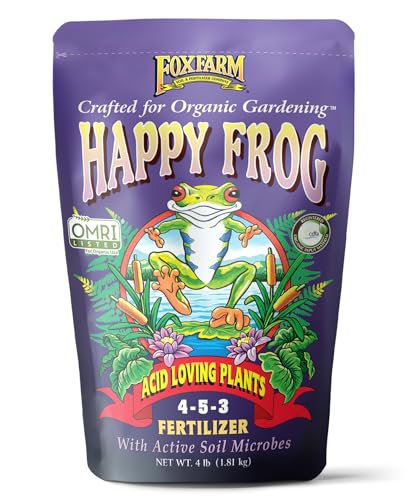
1 Lower the soil pH by applying an acidifying amendment to make iron more bioavailable to the roots.
2 Supplement with a liquid iron or chelated iron treatment to provide immediate nutrient uptake.
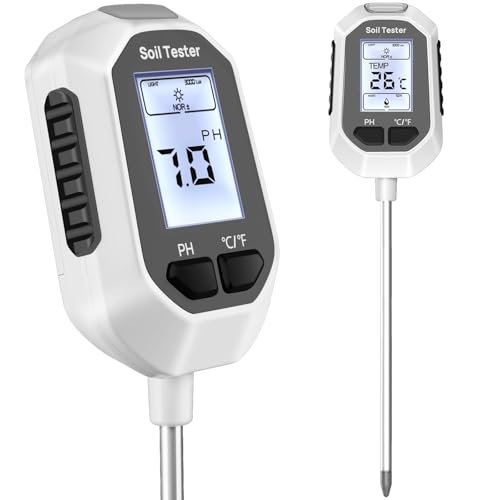
3 Monitor soil acidity levels regularly using a pH tester to ensure the environment remains acidic enough for iron absorption.
error

Nitrogen Deficiency

A lack of nitrogen causes a more uniform yellowing across the entire leaf, starting with older, lower leaves. This prevents the plant from producing enough chlorophyll for photosynthesis.

Very Common
lightbulb
How to confirm: Observe if the yellowing is spreading from the bottom of the plant upward and consider applying a balanced liquid fertilizer.
build How to fix it
shopping_cart Recommended Products
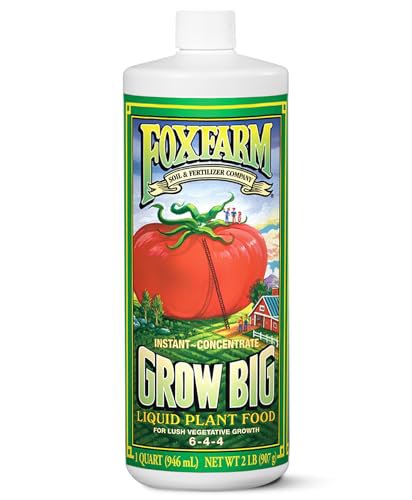
1 Apply a nitrogen-rich liquid fertilizer to boost chlorophyll production and green up the yellowing leaves.
2 Incorporate an organic soil amendment like worm castings into the top layer of soil to provide long-term nutrient release.
3 Monitor soil moisture levels with a meter to ensure the nitrogen is being effectively absorbed by the roots without causing rot.
error

Overwatering and Root Suffocation

Excessive moisture in the substrate deprives roots of oxygen, leading to root rot. This disrupts the vascular system's ability to transport nutrients, resulting in limp, yellowing foliage.

Very Common
lightbulb
How to confirm: Stick your finger two inches into the soil; if it feels saturated and the leaves feel soft or wilted, reduce watering frequency.
build How to fix it
shopping_cart Recommended Products
1 Immediately reduce watering frequency and allow the top inch of soil to dry out completely before watering again.
2 Repot the plant in a well-draining substrate amended with perlite to improve aeration and prevent future root suffocation.
3 Inspect the roots for any mushy, dark brown rot; trim away damaged sections using sterilized shears to prevent further spread.
warning

Water Stress (Drought)

Hydrangea chinensis has high transpiration rates; insufficient water causes the plant to shed chlorophyll to conserve moisture. This often manifests as yellowing accompanied by crispy, brown leaf edges.

Common
lightbulb
How to confirm: Check if the soil surface is bone dry and if the yellowing leaves are accompanied by scorched-looking margins.
build How to fix it
shopping_cart Recommended Products
1 Check the soil moisture level immediately using a moisture meter to confirm if the root zone is truly dry.
2 Thoroughly soak the soil until water drains from the bottom of the pot, ensuring the entire root ball is hydrated.
3 Apply a mulch layer or use a moisture-retaining substrate like vermiculite to help prevent future drought stress.

Other Hydrangea chinensis problems

Your plant might also be experiencing one of these issues:

local_hospital All symptoms eco All plants with yellow leaves
favorite