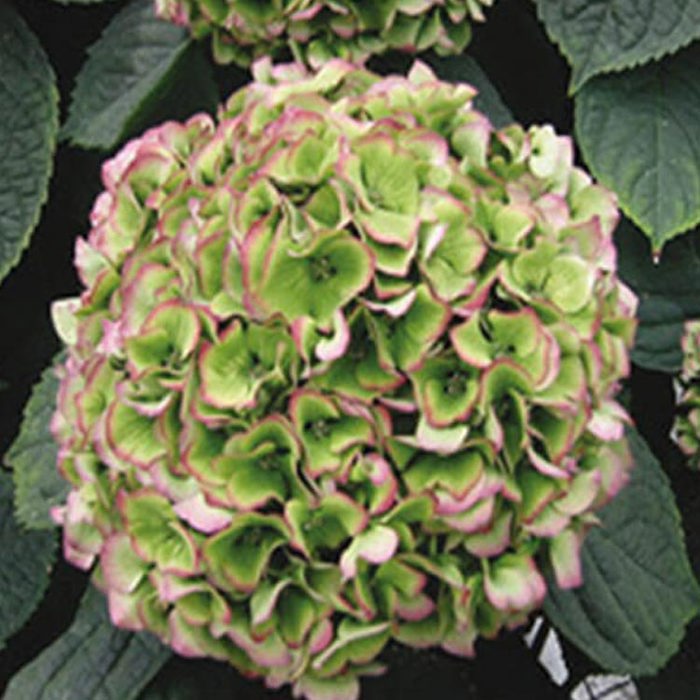
Hydrangea macrophylla Glowing Alps Sudden Leaf Drop
eco Sudden Leaf Drop

Hydrangea macrophylla Glowing Alps – Sudden Leaf Drop

Why does your Hydrangea macrophylla Glowing Alps have sudden leaf drop? Diagnose the cause and fix it with our step-by-step guide.

search Possible Causes

error

Water Stress (Drought or Overwatering)

Hydrangeas have large, thin leaves with high transpiration rates; sudden leaf drop is a primary defense mechanism when the root system cannot keep up with water loss due to dry soil or if roots are suffocating from waterlogged conditions.

Very Common
lightbulb
How to confirm: Insert your finger two inches into the soil to check if it is bone-dry or uncomfortably saturated.
build How to fix it
shopping_cart Recommended Products
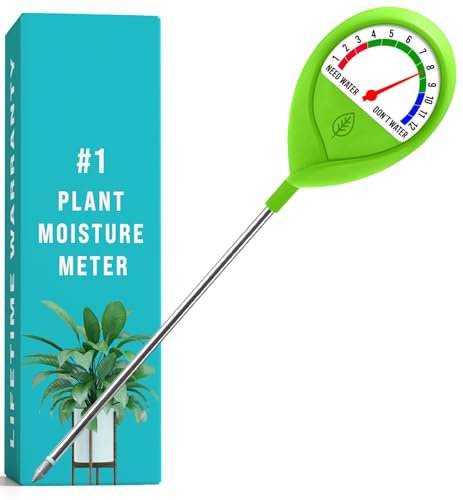
1 Check the soil moisture level immediately by inserting a probe into the root zone to determine if the soil is bone-dry or waterlogged.
2 If the soil is dry, thoroughly soak the plant with a watering can, ensuring the water reaches the entire root ball; if the soil is soggy, allow it to dry out completely before next watering.
3 To prevent future fluctuations, ensure the plant is in a well-draining container and use a moisture meter to maintain consistent hydration levels.
error

Temperature Fluctuations (Cold Shock)

As a cultivar sensitive to environmental shifts, 'Glowing Alps' may drop leaves if exposed to sudden frost or sharp drops in temperature during spring or autumn transitions.

Very Common
lightbulb
How to confirm: Check local weather logs for recent overnight temperature drops below 40°F (4°C).
build How to fix it
shopping_cart Recommended Products
1 Move the plant to a stable, sheltered environment to protect it from further temperature swings and frost exposure.
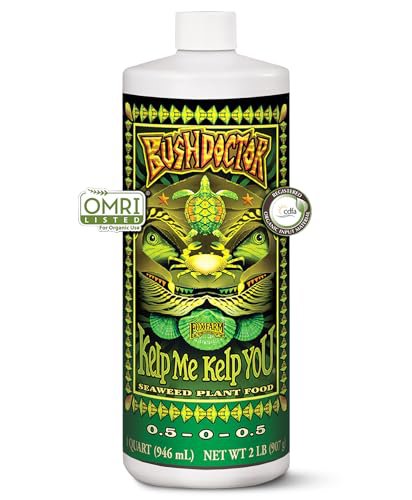
2 Apply a liquid seaweed fertilizer to help the plant recover from environmental stress and boost root resilience.
3 Monitor soil moisture closely to ensure the roots do not suffer from waterlogging or extreme dryness during this recovery phase.
warning

Root Rot (Phytophthora)

Excessive moisture in heavy soils can lead to fungal pathogens attacking the root system, making it impossible for the plant to support its foliage.

Common
lightbulb
How to confirm: Gently lift the edge of the root ball to see if the roots are dark, slimy, or emit a foul odor.
build How to fix it
shopping_cart Recommended Products
1 Immediately reduce watering frequency and ensure the plant is in a well-draining environment to stop the spread of Phytophthora.
2 Repot the hydrangea into a lighter, more aerated medium by mixing in horticultural perlite to improve drainage and prevent future waterlogging.
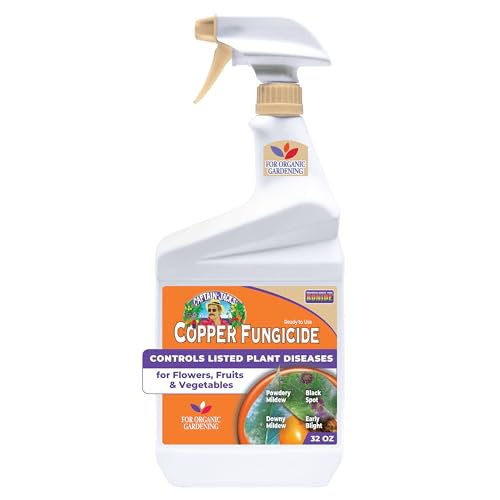
3 Apply a fungicide to treat the fungal pathogen and protect the remaining healthy root tissue.
warning

Nutrient Deficiency (Nitrogen/Magnesium)

A sudden inability to maintain foliage can occur if the soil pH has shifted too high, preventing the uptake of essential minerals required for leaf stability.

Common
lightbulb
How to confirm: Inspect older leaves for yellowing between veins (interveinal chlorosis) before they drop.
build How to fix it
shopping_cart Recommended Products
1 Apply a magnesium and nitrogen-rich supplement to help restore leaf stability and greening.
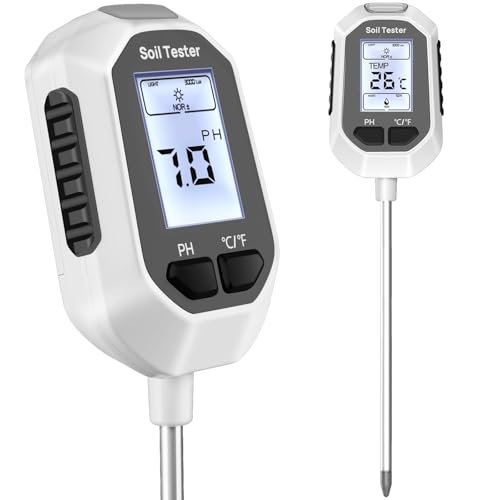
2 Check the soil pH to ensure it remains in the acidic range (5.2–5.5) to prevent nutrient lockout.
3 Amend the existing soil with organic matter to improve nutrient retention and stabilize pH levels.

Other Hydrangea macrophylla Glowing Alps problems

Your plant might also be experiencing one of these issues:

local_hospital All symptoms eco All plants with sudden leaf drop
favorite