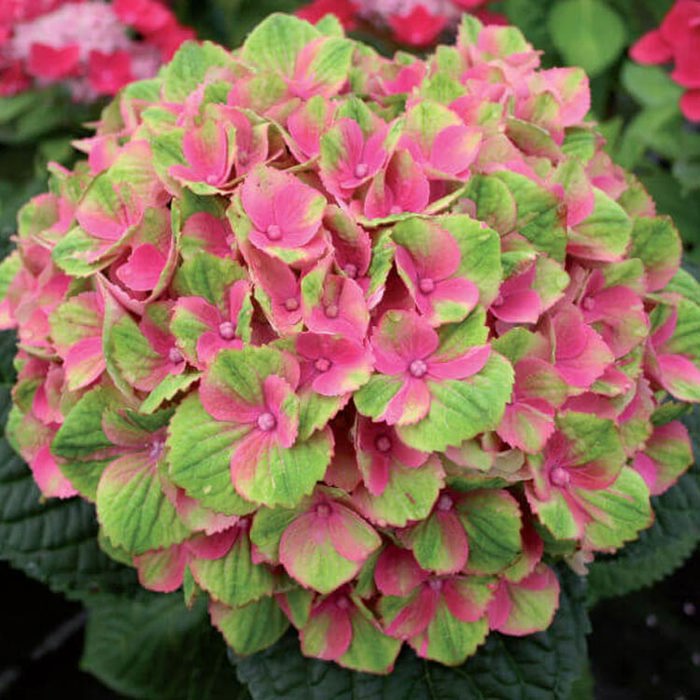
Hydrangea macrophylla Magical Amethyst Sudden Leaf Drop
eco Sudden Leaf Drop

Hydrangea macrophylla Magical Amethyst – Sudden Leaf Drop

Why does your Hydrangea macrophylla Magical Amethyst have sudden leaf drop? Diagnose the cause and fix it with our step-by-step guide.

search Possible Causes

error

Environmental Stress (Temperature Fluctuations)

Hydrangea macrophylla is highly sensitive to sudden changes in temperature, especially cold snaps or intense heat waves. Rapid shifts cause the plant to enter a defensive state, shedding leaves to conserve moisture and energy.

Very Common
lightbulb
How to confirm: Check if there has been a recent drop in nighttime temperatures below 50°F (10°C) or an unseasonable heat spike.
build How to fix it
shopping_cart Recommended Products
1 Move the plant to a stable environment protected from sudden drafts, frost, or intense direct heat to prevent further temperature shock.
2 Apply a liquid seaweed fertilizer to help the plant recover from abiotic stress and boost nutrient uptake.
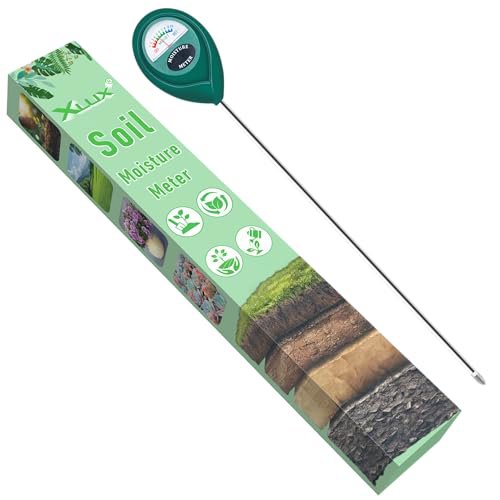
3 Monitor soil moisture levels closely using a moisture meter to ensure the plant remains hydrated without becoming waterlogged during its recovery phase.
error

Water Stress (Drought or Waterlogging)

As a species with large, thin leaves, 'Magical Amethyst' has high transpiration rates. Both bone-dry soil and anaerobic conditions from waterlogged roots can trigger leaf abscission as the plant attempts to reduce surface area.

Very Common
lightbulb
How to confirm: Insert your finger two inches into the soil; if it is extremely dry or muddy/saturated, water management is the issue.
build How to fix it
shopping_cart Recommended Products
1 Check the soil moisture level immediately using a moisture meter to determine if the plant is suffering from drought or waterlogging.
2 If the soil is bone-dry, deeply water the plant to rehydrate the root zone; if the soil is saturated, ensure the pot has adequate drainage or repot into a well-aerated medium containing perlite.
3 To prevent future fluctuations, use a consistent watering schedule and monitor the soil depth to maintain even moisture levels.
warning

Root Rot (Phytophthora species)

Excessive moisture in heavy soils leads to fungal pathogens attacking the root system. When roots decay, they can no longer transport water to the foliage, causing sudden wilting and leaf drop.

Common
lightbulb
How to confirm: Gently lift the edge of the root ball to see if the roots are dark, slimy, or have a foul odor.
build How to fix it
shopping_cart Recommended Products
1 Immediately reduce watering frequency and ensure the plant is in a well-draining environment to stop the spread of Phytophthora.
2 Repot the hydrangea into a lighter, more aerated medium by mixing in horticultural perlite to improve drainage and prevent future waterlogging.
3 Prune away any mushy, blackened, or foul-smelling roots using sterilized shears to remove the primary source of infection.
warning

Pest Infestation (Aphids or Spider Mites)

Sap-sucking insects can rapidly deplete the energy reserves of 'Magical Amethyst'. A heavy infestation weakens the plant's vascular system, leading to premature leaf senescence and drop.

Common
lightbulb
How to confirm: Inspect the undersides of the remaining leaves for tiny moving dots or fine webbing.
build How to fix it
shopping_cart Recommended Products
1 Inspect the undersides of leaves and new growth for tiny moving insects or fine webbing to confirm the presence of aphids or spider mites.
2 Apply an organic insecticide spray to the entire plant, ensuring thorough coverage of the leaf undersides, to eliminate the sap-sucking pests.
3 Prune and discard any heavily infested or dead leaves to prevent the pests from spreading further through the plant's vascular system.

Other Hydrangea macrophylla Magical Amethyst problems

Your plant might also be experiencing one of these issues:

local_hospital All symptoms eco All plants with sudden leaf drop
favorite