Hydrangea macrophylla Magical Anouk Leggy Stems
eco Leggy Stems

Hydrangea macrophylla Magical Anouk – Leggy Stems

Why does your Hydrangea macrophylla Magical Anouk have leggy stems? Diagnose the cause and fix it with our step-by-step guide.

search Possible Causes

error

Insufficient Light Exposure

Hydrangeas are shade-loving plants; if they receive too much direct afternoon sun or lack enough filtered light, they will undergo etiolation, stretching stems toward any available light source.

Very Common
lightbulb
How to confirm: Observe if the plant is leaning significantly toward a window or if the leaves appear pale and stretched out.
build How to fix it
shopping_cart Recommended Products
1 Relocate your hydrangea to a spot with bright, filtered light or morning sun, avoiding harsh, direct afternoon sunlight to prevent further stretching.
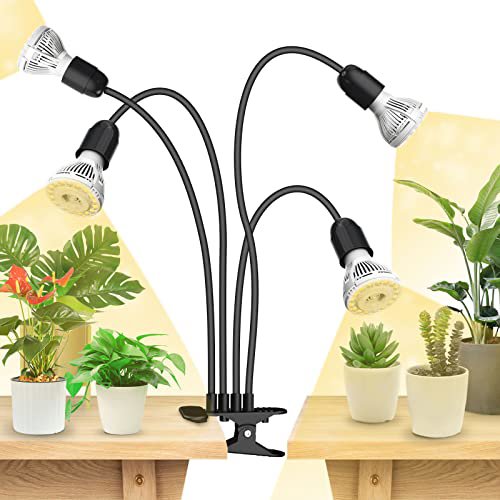
2 Supplement with a full-spectrum grow light to provide consistent, even illumination and encourage more compact, sturdy stem growth.
3 Gently prune the elongated, leggy stems to a healthier length, which can help stimulate bushier growth and improve the plant's structure.
error

Excessive Nitrogen Fertilization

High levels of nitrogen in fertilizer promote rapid, succulent vegetative growth which lacks structural lignin, resulting in weak, floppy, and elongated stems.

Very Common
lightbulb
How to confirm: Check if you have recently used a high-nitrogen lawn fertilizer or a complete NPK fertilizer with a very high first number.
build How to fix it
shopping_cart Recommended Products
1 Flush the soil with plenty of fresh, plain water to leach out excess nitrogen salts from the root zone.
2 Prune the elongated, weak stems back to a sturdier section of the plant to encourage denser, more structural growth.
3 Switch to a balanced or lower-nitrogen fertilizer to support stem strength and prevent further succulent growth.
warning

Overwatering and Poor Drainage

Constant moisture in the root zone of a Macrophylla hydrangea can lead to weakened root systems, preventing the plant from supporting its own weight and causing stems to collapse or elongate.

Common
lightbulb
How to confirm: Stick your finger two inches into the soil; if it feels soggy or smells slightly sour, drainage is likely insufficient.
build How to fix it
shopping_cart Recommended Products
1 Check the soil moisture levels immediately using a moisture meter to ensure the root zone is not staying saturated.
2 Repot the hydrangea into a container with superior drainage, such as a Root & Vessel cylinder pot, and use a well-draining potting mix amended with perlite to prevent waterlogging.
3 Prune any weakened or collapsed stems using sharp, clean shears to encourage more robust, upright growth.
warning

Improper Pruning Regimen

If the 'Magical Anouk' cultivar (which blooms on new wood) is not pruned to encourage bushy growth, or if it is pruned too late in the season, it can develop a sparse, spindly structure.

Common
lightbulb
How to confirm: Review your pruning history to see if you have allowed long, uninhibited growth to persist through multiple seasons without thinning.
build How to fix it
shopping_cart Recommended Products
1 Prune the stems back to a more compact structure, ensuring you do not remove too much of the new wood where flowers will form.
2 Apply a balanced fertilizer to support new, vigorous growth and strengthen the plant's structure.
3 Use garden shears to make clean, precise cuts that prevent disease and promote healthy stem development.

Other Hydrangea macrophylla Magical Anouk problems

Your plant might also be experiencing one of these issues:

local_hospital All symptoms eco All plants with leggy stems
favorite