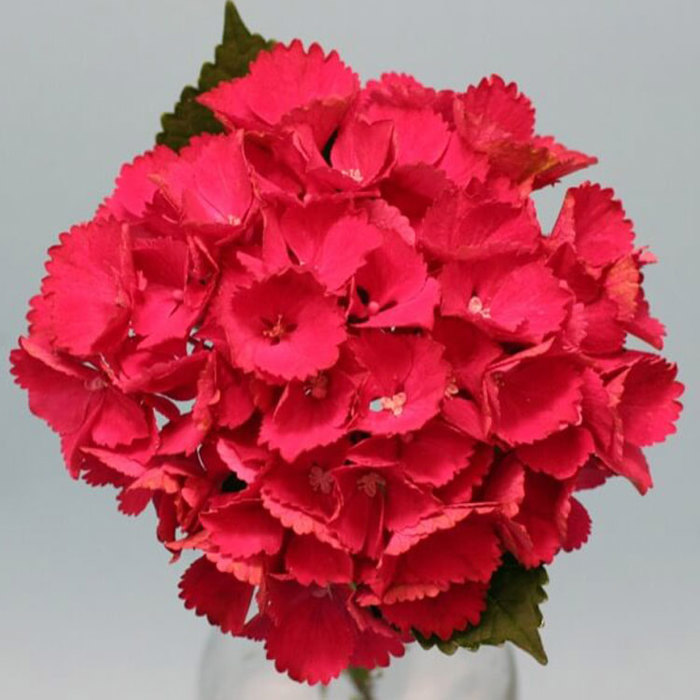
Hydrangea macrophylla Magical Ballade Yellow Leaves
eco Yellow Leaves

Hydrangea macrophylla Magical Ballade – Yellow Leaves

Why does your Hydrangea macrophylla Magical Ballade have yellow leaves? Diagnose the cause and fix it with our step-by-step guide.

search Possible Causes

error

Iron Chlorosis (Nutrient Deficiency)

In Hydrangeas, yellow leaves with prominent green veins indicate a lack of available iron, often caused by high soil pH (alkaline) which locks nutrients away from the roots. This is very common in varieties like 'Magical Ballade' when grown in calcareous soils.

Very Common
lightbulb
How to confirm: Check if the interveinal areas are yellow while the veins remain dark green.
build How to fix it
shopping_cart Recommended Products
1 Apply an acidifying soil amendment to lower the soil pH, which helps unlock iron availability for the roots.
2 Supplement with a liquid iron or chelated iron fertilizer to provide immediate nutrient uptake.
3 Monitor soil acidity levels regularly using a pH tester to ensure the environment remains acidic enough for iron absorption.
error

Overwatering and Root Suffocation

Excessive soil moisture deprives the roots of oxygen, leading to metabolic failure and chlorosis. Because 'Magical Ballade' requires consistent moisture but hates 'wet feet,' waterlogged soil can quickly lead to yellowing leaves followed by wilting.

Very Common
lightbulb
How to confirm: Press your finger into the soil; if it is muddy or stays wet for several days after watering, the plant is overwatered.
build How to fix it
shopping_cart Recommended Products
1 Immediately stop watering and allow the soil to dry out significantly to restore oxygen to the root zone.
2 Repot the hydrangea into a container with superior drainage, incorporating perlite to improve aeration and prevent future waterlogging.
3 Ensure the plant is placed in a pot with a drainage tray to catch excess water, and never let the plant sit in standing water.
warning

Nitrogen Deficiency

A lack of nitrogen causes older, lower leaves to turn uniformly yellow as the plant mobilizes nutrients to newer growth. This typically occurs in exhausted soil or after heavy rainfall has leached nitrates away from the root zone.

Common
lightbulb
How to confirm: Observe if the yellowing starts on the oldest leaves at the base of the plant and moves upward.
build How to fix it
shopping_cart Recommended Products
1 Apply a nitrogen-rich organic fertilizer to replenish the soil nutrients and help green up the yellowing leaves.
2 Incorporate organic matter like worm castings into the top layer of soil to improve long-term nutrient availability and soil health.
3 Monitor soil moisture levels regularly to ensure that heavy watering or drainage issues are not leaching nitrogen away from the root zone.
warning

Root Rot (Phytophthora)

Fungal pathogens thrive in overly damp conditions, attacking the root system of Hydrangeas. This prevents the vascular system from transporting water and nutrients, resulting in widespread yellowing and eventual leaf drop.

Common
lightbulb
How to confirm: Gently lift the plant from its container or dig near the base to see if roots are black, slimy, or foul-smelling.
build How to fix it
shopping_cart Recommended Products
1 Immediately reduce watering frequency and ensure the plant is in a well-draining environment to stop the spread of fungal pathogens.
2 Repot the hydrangea into a fresh, highly aerated medium by mixing in perlite to improve drainage and prevent future waterlogging.
3 Apply a fungicide treatment to protect the remaining healthy tissue from further fungal attack.

Other Hydrangea macrophylla Magical Ballade problems

Your plant might also be experiencing one of these issues:

local_hospital All symptoms eco All plants with yellow leaves
favorite