Hydrangea macrophylla Magical Bluebells Yellow Leaves
eco Yellow Leaves

Hydrangea macrophylla Magical Bluebells – Yellow Leaves

Why does your Hydrangea macrophylla Magical Bluebells have yellow leaves? Diagnose the cause and fix it with our step-by-step guide.

search Possible Causes

error

Iron Chlorosis (Low Soil pH)

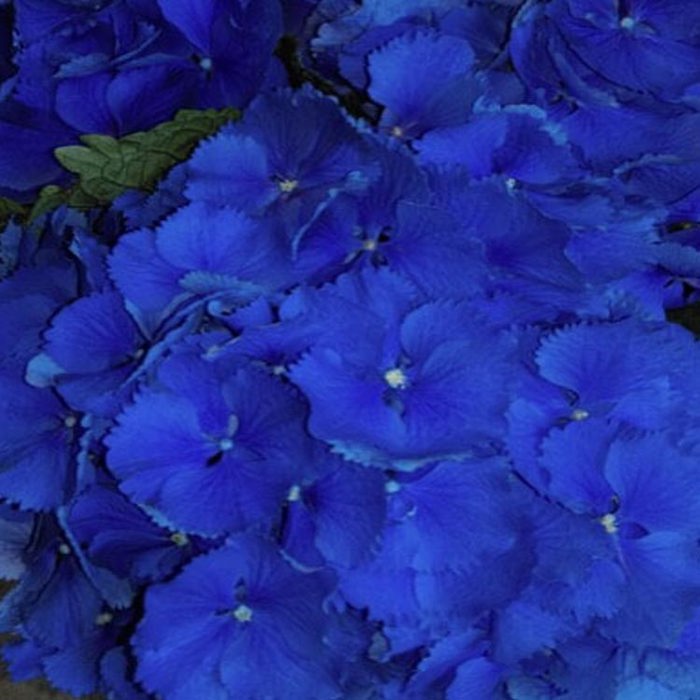
In 'Magical Bluebells', which is bred for intense blue colors, yellowing leaves with green veins often indicate that the soil pH is too high. High alkalinity prevents the hydrangea from absorbing iron, even if it is present in the soil.

Very Common
lightbulb
How to confirm: Check if the leaf veins remain dark green while the rest of the leaf turns pale yellow, and test your soil pH for levels above 6.0.
build How to fix it
shopping_cart Recommended Products
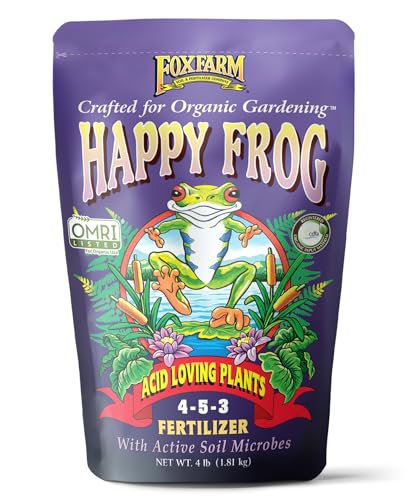
1 Lower the soil pH by applying an acidifying fertilizer specifically formulated for acid-loving plants to help the hydrangea absorb iron.
2 Monitor the soil acidity levels regularly using a pH tester to ensure the environment remains acidic enough for blue pigment production.
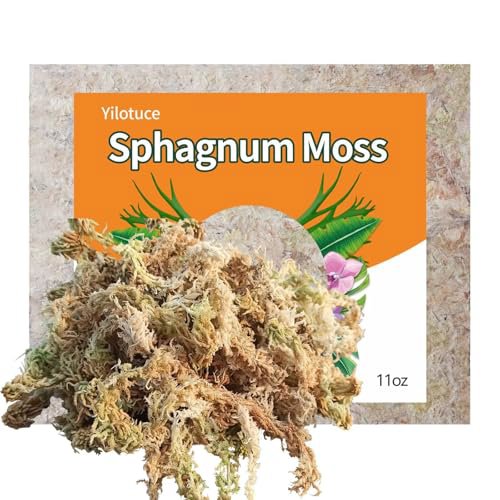
3 Amend the soil with organic matter like sphagnum moss to help maintain a lower, more acidic pH level.
error

Nitrogen Deficiency

A lack of nitrogen causes older, lower leaves on the hydrangea to turn uniformly pale yellow before progressing up the plant. This prevents the production of chlorophyll necessary for the vibrant blue pigmentation.

Very Common
lightbulb
How to confirm: Observe if the yellowing starts specifically on the bottom-most leaves and progresses upward toward the new growth.
build How to fix it
shopping_cart Recommended Products
1 Apply a nitrogen-rich liquid fertilizer to boost chlorophyll production and restore leaf color.
2 Supplement the soil with organic worm castings to provide a slow-release source of nitrogen and beneficial microbes.
3 Monitor soil moisture levels using a moisture meter to ensure nitrogen is being effectively absorbed by the roots.
warning

Overwatering and Root Suffocation

Hydrangeas have high transpiration rates but are prone to root rot if the soil remains saturated. Excessive moisture deprives roots of oxygen, leading to chlorosis and wilting symptoms.

Common
lightbulb
How to confirm: Stick your finger two inches into the soil; if it feels muddy or swampy, you are likely overwatering.
build How to fix it
shopping_cart Recommended Products
1 Immediately reduce watering frequency and allow the top inch of soil to dry out before watering again to prevent further root suffocation.
2 Repot the hydrangea into a well-draining medium by mixing in horticultural perlite to improve aeration and prevent future waterlogging.
3 Ensure the plant is in a container with adequate drainage and use a saucer to catch excess water, emptying it after use to avoid sitting in stagnant moisture.
warning

Water Stress (Drought)

While 'Magical Bluebells' loves moisture, extreme drought causes the plant to shed chlorophyll to conserve water, leading to yellowing and eventual leaf drop.

Common
lightbulb
How to confirm: Check if the leaves feel limp or papery and if the soil surface is cracked or bone-dry.
build How to fix it
shopping_cart Recommended Products
1 Immediately check the soil moisture level at the root zone to confirm the extent of the drought stress.
2 Deeply water the plant to ensure the moisture reaches the entire root ball, and consider using a mulch layer to retain hydration.
3 Apply a balanced liquid fertilizer to help the plant recover and stimulate new chlorophyll production once soil moisture is stabilized.

Other Hydrangea macrophylla Magical Bluebells problems

Your plant might also be experiencing one of these issues:

local_hospital All symptoms eco All plants with yellow leaves
favorite