Hydrangea macrophylla Magical Bolero Brown Leaf Tips
eco Brown Leaf Tips

Hydrangea macrophylla Magical Bolero – Brown Leaf Tips

Why does your Hydrangea macrophylla Magical Bolero have brown leaf tips? Diagnose the cause and fix it with our step-by-step guide.

search Possible Causes

error

Edging/Leaf Scorch due to Low Humidity

Hydrangeas have large, thin leaves with high transpiration rates. In dry air or intense afternoon sun, the plant loses moisture faster than the roots can replace it, causing the delicate tips to desiccate and turn brown.

Very Common
lightbulb
How to confirm: Check if the browning occurs specifically on leaves exposed to direct sunlight or during hot, dry spells.
build How to fix it
shopping_cart Recommended Products
1 Increase local humidity around the plant by using a pebble tray or a fine misting spray bottle to hydrate the air.
2 Monitor soil moisture levels closely to ensure the roots are never fully dry, using a moisture meter to prevent dehydration.
3 Move the plant to a location with filtered light and protection from harsh afternoon sun to reduce transpiration rates.
error

Inconsistent Soil Moisture

Magical Bolero requires consistently moist soil. Allowing the root ball to dry out completely before watering causes physiological stress that manifests as crispy brown edges on the foliage.

Very Common
lightbulb
How to confirm: Stick your finger two inches into the soil to see if it has become bone-dry between waterings.
build How to fix it
shopping_cart Recommended Products
1 Monitor soil moisture levels closely using an analog meter to ensure the soil remains consistently damp but not waterlogged.
2 Apply a consistent watering schedule to prevent the root ball from drying out completely, using a watering can with a precision nozzle for even distribution.
3 Mulch the base of the plant with organic matter to help retain moisture and regulate soil temperature.
warning

Salt Accumulation (Fertilizer Burn)

Excessive use of synthetic fertilizers can lead to a buildup of mineral salts in the growing medium. This increases osmotic pressure, making it harder for the hydrangea roots to absorb water, resulting in tip burn.

Common
lightbulb
How to confirm: Look for a white, crusty residue on the soil surface or the edges of the pot.
build How to fix it
shopping_cart Recommended Products
1 Flush the soil thoroughly with large amounts of fresh, distilled, or rainwater to leach out accumulated mineral salts from the growing medium.
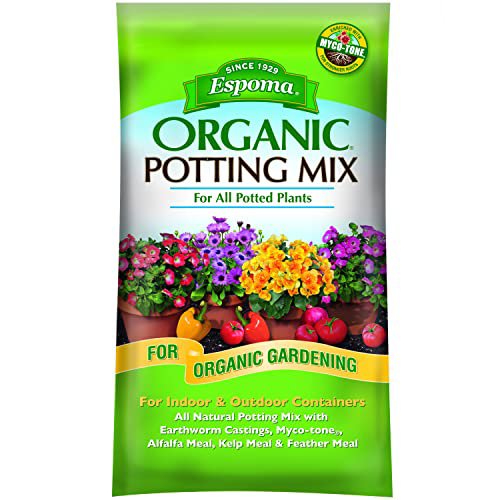
2 Repot the hydrangea in fresh, high-quality potting soil to provide a clean environment free of salt buildup.
3 Monitor soil moisture levels closely using a moisture meter to ensure you are watering only when necessary, preventing future over-fertilization cycles.
warning

Root Damage from Overwatering

While they love moisture, stagnant water deprives roots of oxygen. If the roots begin to rot due to poor drainage, they lose the ability to transport water to the leaf margins, causing them to turn brown.

Common
lightbulb
How to confirm: Check if the soil feels soggy and if the leaves are also showing signs of wilting despite wet soil.
build How to fix it
shopping_cart Recommended Products
1 Check the soil moisture levels immediately using a moisture meter to confirm if the root zone is staying too saturated.
2 Repot the hydrangea into a container with superior drainage and refresh the medium with a well-aerating mix containing perlite to prevent future oxygen deprivation.
3 Ensure the plant is not sitting in stagnant water by using a drainage tray or saucer to catch excess runoff.

Other Hydrangea macrophylla Magical Bolero problems

Your plant might also be experiencing one of these issues:

local_hospital All symptoms eco All plants with brown leaf tips
favorite